

Back in January, I wrote about something that’s been bothering me: the gap between “affordability” and “attainability” in housing. I argued we need to stop building for the market we wish existed and start designing for the one that’s actually out there. Smaller footprints. Smarter products. Real solutions for young families and folks like me who are looking to downsize. But I left something out. A big piece of the puzzle I should have explored more deeply: Who’s competing for these homes before first-time buyers even get a shot
Turns out, three-quarters of Americans already know the answer.¹
Here’s What the Research Shows
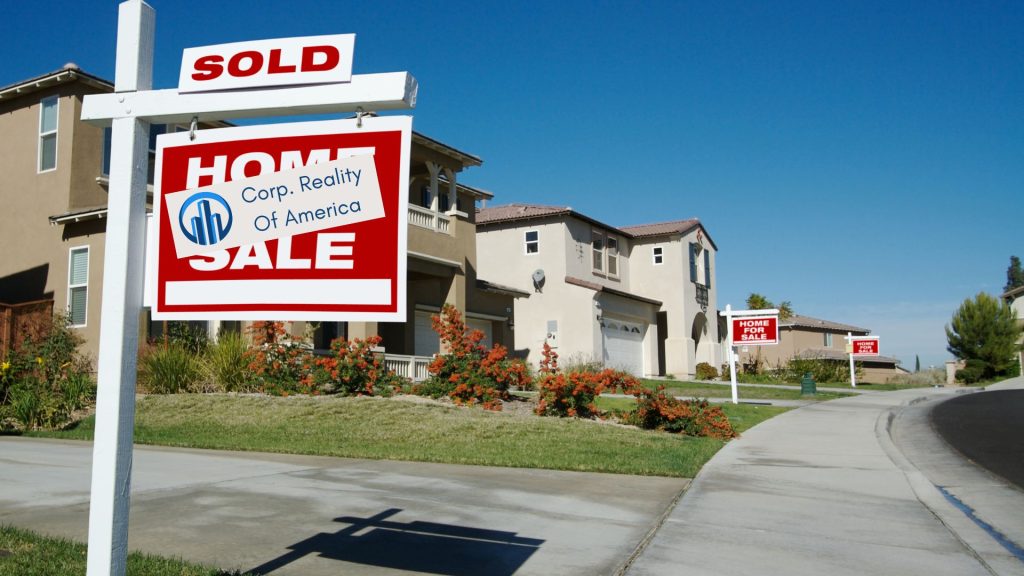
A colleague of ours, Paul Fallon at Fallon Research & Communications, just completed a national survey on this exact question. The numbers are striking: 75% of Americans say investor and corporate homebuying has affected housing prices in their communities, and 41% say the impact has been “a lot.”²
But what really caught my attention was the sentiment behind those numbers. When people were asked whether investor buying is good or bad for homebuyers trying to afford homes, 65% said bad. Only 4% said good.³ That’s not a split opinion; that’s a verdict!
Here’s the part that surprised me: even homeowners who could theoretically cash in when investors drive up prices aren’t comfortable with it. While you’d think they’d welcome higher sale prices, 51% of homeowners still view investor buying negatively.⁴ Something deeper than dollars is at work here.
Why This Hits Home
You know about my daughter: 26, working hard, raising two kids, doing everything right. She’s still shut out of homeownership. And here’s what I’m realizing: she’s not losing out to other young families in bidding wars. She’s losing to institutional buyers with cash offers and algorithms that optimize for investment returns, not building lives.
Paul’s survey confirms what a lot of us are already feeling: investor buying is becoming the villain in this story. Politicians love a villain, especially one that doesn’t have much public sympathy. When 51% of Americans want to ban corporate homebuying outright, that tells you something.⁵ This issue has legs politically, whether we like it or not.
Politicians Are Starting to Notice
Look, I don’t care whether it’s past, current, or future administrations. They all need to pay real attention to this beyond just lip service. The current administration started exploring steps to address investor homebuying in January,⁶ which tells you it’s crossed the threshold from market quirk to political necessity.
But here’s my concern: politicians talk a good game, then move on to the next headline. Housing affordability and corporate buyers’ needs sustained focus, not another task force that issues a report nobody reads.
What This Means for Us
The investor question connects directly to the attainability challenge I wrote about in January. If investors are scooping up starter-home inventory before families can compete, then just building “attainable” homes isn’t enough. We need to think about how we’re building them and who we’re building them for.
I’m not interested in vilifying investors. That’s too easy. What I am interested in is recognizing that markets respond to incentives, and right now, the incentive structure favors Wall Street over Main Street. That’s a design problem we can actually address.
Three Questions Worth Asking
The survey data raises some uncomfortable questions for our industry:
First, are we building homes that institutional investors want, or homes that families need? There’s overlap, sure, but they’re not the same market. One wants scalable portfolios with predictable returns. The other wants a place to raise kids and build equity.
Second, should we, as local builders, support policies that prioritize owner-occupants? Some markets are already experimenting with purchase preferences for primary residences. Is that something we want to get behind, or resist?
Third, can we design products that make our homes more accessible to actual families rather than appealing more to investment portfolios? I don’t have all the answers here, but I wonder if things like new partnerships with communities, phased purchase programs, or even just designing homes that appeal to owner-occupants rather than rental portfolios might change the
equation.
The Real Challenge
In January, I said attainability is about creating paths between where someone is and where they need to be. I asked whether we’re actually building those paths or just repeating what’s always been done.
The new data adds a harder edge to that question: it’s not just about creating paths. It’s about keeping them open against well-funded competition that doesn’t need the home to live in. My daughter still doesn’t have a path to ownership. Neither do millions like her. But at least now we can see more clearly what’s blocking the way.
Three-quarters of Americans already know investors are affecting attainability. The question for us as builders is whether we’re going to design around this reality or keep building for a market increasingly dominated by portfolios rather than people.
What will you choose?
If you would like to talk about housing attainability and how to help your potential customers.
Did you miss part one of our attainability series? If so you can read it here: Affordability vs Attainability: A Question We Cant Keep Avoiding
Footnotes
¹ Fallon Research & Communications, Inc., National Public Opinion Research Results Overview: Views on Investors & Corporations Buying Housing (January 2026). Survey of 1,144 U.S. adults, conducted January 22-27, 2026, margin of error ±2.89%. Permission granted for distribution. ² Ibid., p. 4. Combined total of respondents who said investor buying “affected housing prices a lot” (41%) and “affected housing prices somewhat” (34%).
³ Ibid., p. 5. When asked if investor homebuying has been “good or bad for home buyers who are trying to buy homes they can afford.”
⁴ Ibid., p. 5. Survey employed split-sample testing to measure attitudes among both buyers and sellers.
⁵ Ibid., p. 6. Response to question about whether investors “should be prohibited” versus “should be allowed” to buy housing for investment purposes.
⁶ The New York Times, “Administration Explores Steps to Address Wall Street Investors in Housing Market,” January 7, 2026, https://www.nytimes.com/2026/01/07/business/trump-wallstreet-
investors-homes.html.