• Skip to primary navigation
  • Skip to main content
Outhouse logo

Outhouse

The Outsource Hub for Home Builders

  • Home
  • Products & Services
    • Architectural/CAD
    • Rendering
    • Virtual Reality
    • Interactive Floor Plans
    • Interactive Site Maps
    • Interactive Kiosks
    • Print Marketing
    • Sales Office Displays
  • Partners
  • News
    • Events
    • Blog
    • Podcast
  • About Us
  • Contact Us
  • Show Search
Hide Search

new construction

The Automotive Industry Understands Buyers. Why Doesn’t Homebuilding?

Kevin Weitzel · 11/23/2026 · Leave a Comment

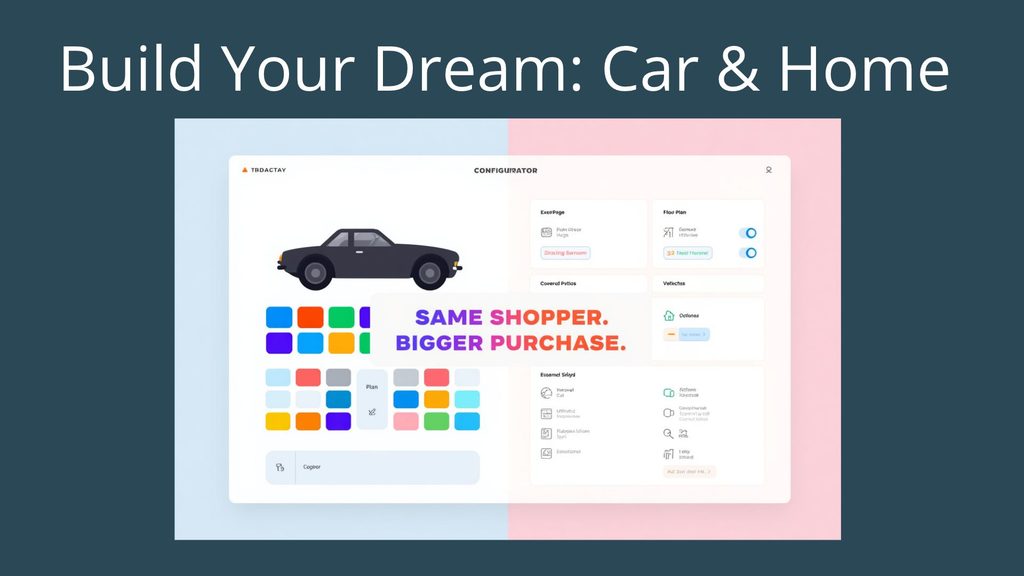
Car shoppers routinely use online configuration tools to build their ideal vehicle. They choose models, colors, features, packages, and upgrades, exploring the possibilities before ever setting foot in a dealership.

Automakers understand that buyers don’t necessarily want an endless menu of individual options. They create packages that bundle popular features, simplify decisions, and make the shopping experience easier. …and due to repeatability, more profitable. Do you even know what it costs to pull a single car from production to add “X” because Becky wants in and selected it on a configurator? Rhetorical, obviously, but a lot.

A Configuration Is a Preference, Not a Purchase

Here’s what’s interesting: buyers very rarely purchase the exact vehicle they’ve configured. Their configuration is an expression of preference, not a binding specification. It helps them discover what they like, establish priorities, understand available options, and determine what they’re willing to spend.

Homebuyers Shop the Same Way

So why wouldn’t the same consumer behavior apply to homebuilding? Spoiler alert! It DOES!

Buying a home is a considerably larger investment than buying a car. Yet homebuilders sometimes seem reluctant to embrace the very shopping behaviors automotive manufacturers have spent decades accommodating.

Why shouldn’t homebuyers be able to explore, configure, compare, and personalize their future homes in much the same way they configure a vehicle?
The Goal Is Understanding, Not an Exact Build

The objective shouldn’t be to build every home exactly as configured. It should be to give buyers the opportunity to understand what’s possible, discover what matters most to them, and make more informed decisions. It is much easier to steer an interested home buyer into what is available and is almost a match than it is to accommodate every whim with the obvious exception being full custom. Is it an illusion, misleading, or misdirection? Nope. Packages are simply more practical and fit a vast majority of buyers… especially in the production and semi-custom markets.

The configuration isn’t the product. It’s the beginning of the customer experience and the pathway into the sales office.

Want to see how this works for your homes? Explore Outhouse Interactive Floor Plans, where shoppers add options, arrange furniture, and discover what matters most to them, with lead capture that feeds your CRM. Or contact us and we will walk you through one built on your own plans.
GET A DEMO

Speaking the Same Language: Making Home Buying Less Jargon-Heavy

Tabitha Warren · 10/06/2025 ·

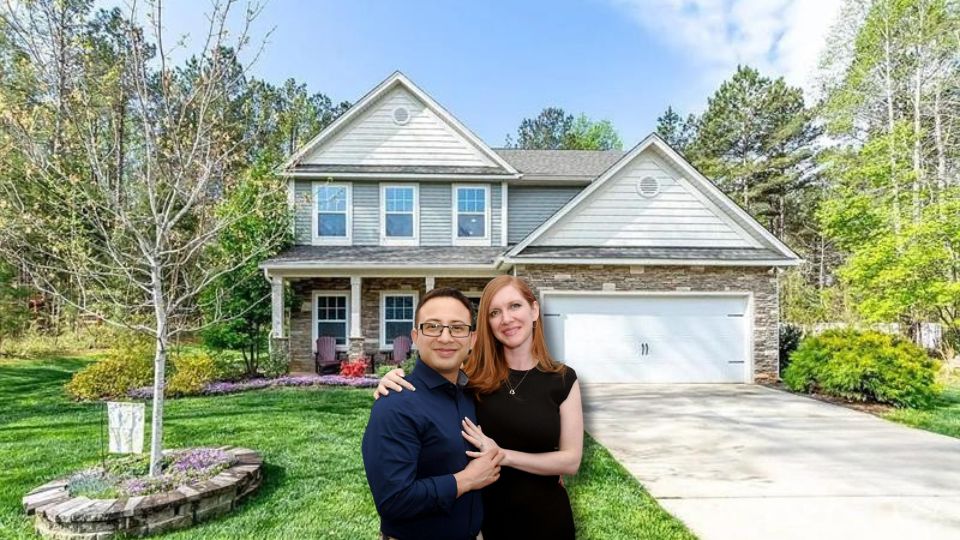
Man and women in front of house.

When my husband and I bought our most recent home, it was our very first time considering a new build. We were both in our mid-30s, college-educated, and comfortable with big decisions. But after our first visit to a builder, we left completely confused.

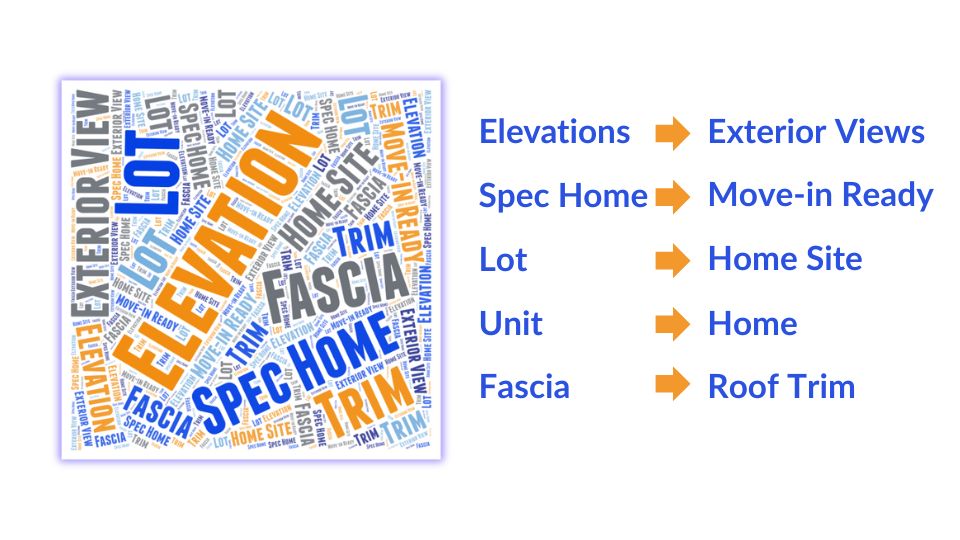
Words were flying around, elevations, spec homes, lots, fascia, and we found ourselves whispering to each other in the car, “Did you understand any of that?” Honestly, it was uncomfortable not knowing, and it almost turned us off new builds altogether. Thankfully, our amazing realtor provided us with a quick “builder-lingo 101” before our next round of visits, which was helpful. But the experience stuck with me: why should a buyer feel left out of the conversation when they’re making such an exciting purchase?

The turning point came when we finally walked into a True Homes model. For the first time, we felt like we could relax. Their sales team used plain, easy-to-understand language and even their brochures spoke in terms that made sense to us. Instead of feeling left out of the conversation, we felt welcomed into it. That made all the difference.

When Jargon Creates a Barrier

Builders, designers, and sales reps know their stuff inside and out. But when they use industry terms without explanation, it can feel like buyers are being spoken at instead of with. That’s not the intent, of course, but perception matters.

A few examples:

  1. Elevations → Exterior Views: “Elevation” makes perfect sense to architects, but to buyers, “exterior view” paints a clearer picture. Lifestyle Home Builders even wrote a helpful post explaining elevations in buyer-friendly language.
  2. Spec Home → Build-to-Purchase Home or Move-In Ready Home: “Spec” sounds clinical. “Build-to-purchase” or “move-in ready” highlights the buyer’s benefit: they can have a home without the wait.
  3. Lot → Home Site: “Lot” sounds like a piece of land. “Home site” invites buyers to imagine life unfolding there.
  4. Unit → Home: No one dreams of living in a “unit.” Buyers want a home.
  5. Fascia → Trim: A technical word, sure. But “trim” helps buyers understand the detail at a glance.
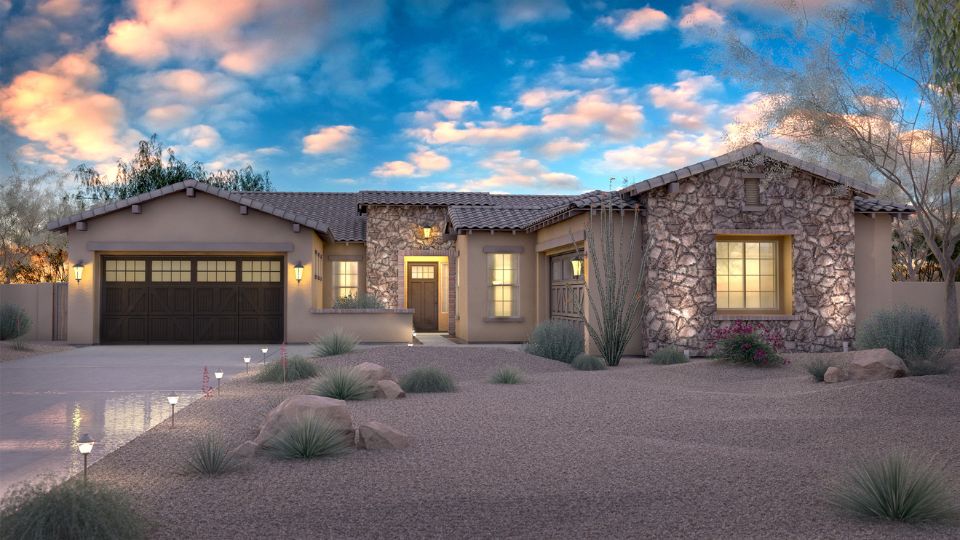
House exterior at dusk.

Why It Matters

Changing a few words isn’t about oversimplifying. It’s about helping buyers feel included in the process. Buying a home is one of the most significant investments people make. It should fee exciting, not intimidating.

By swapping out jargon for approachable, everyday words, all of us in the building industry can create conversations that feel welcoming and clear. And if buyers feel understood, they’ll feel more confident moving forward, which is a win for everyone.

At Outhouse, we believe that tools and language should empower homebuyers, not overwhelm them. From interactive site maps to digital design experiences, our goal is to help builders showcase homes in a way that feels intuitive, engaging, and clear. We want to help every buyer feel right at home, right from the start.

TikTok’s Blueprint

Tabitha Warren · 04/21/2025 ·

Viral Trends Forcing a Rethink in New Home Design

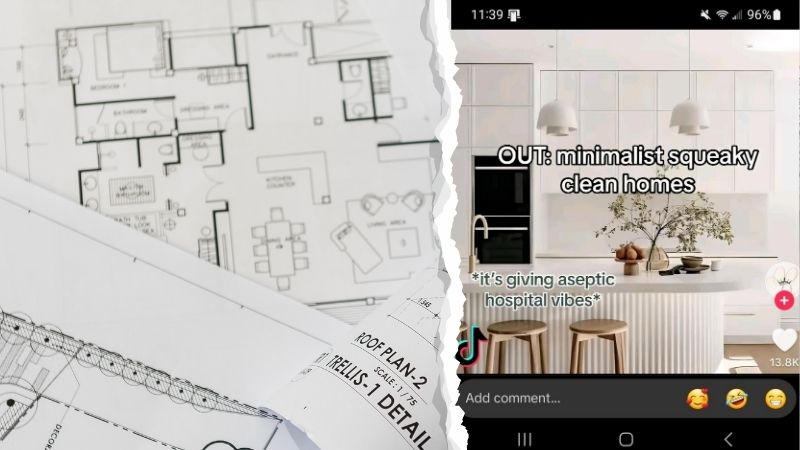
A split screen of classic, slow to produce, blue prints vs TikTok's constantly evolving word of trends
A split screen of classic, slow to produce, blue prints vs TikTok’s constantly evolving word of trends

Remember when home design trends evolved over years, maybe decades? Then, BAM, in comes the hit platform TikTok, where a 60-second video can launch a design craze overnight. From hidden pantry doors going viral to the sudden ubiquity of “cloffices,” the social media giant isn’t just for dance challenges anymore. It’s becoming a powerful, if sometimes unpredictable, force shaping buyer expectations and, consequently, influencing the very blueprints of new construction homes. For builders and designers, understanding this rapid shift is key to staying relevant.

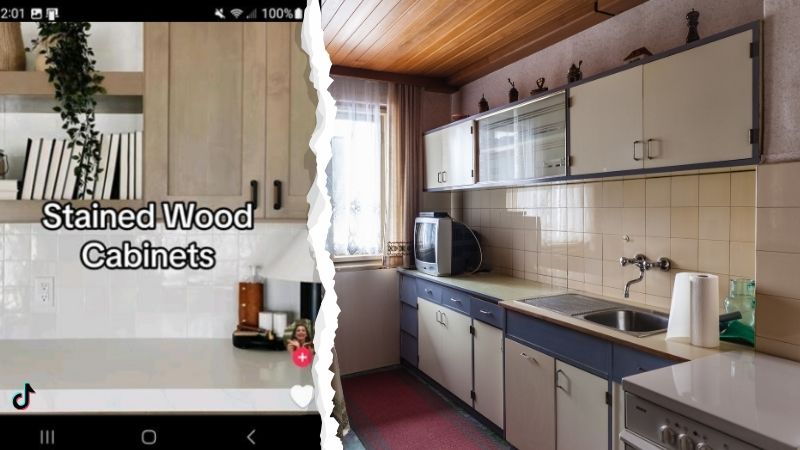
Split screen of TikTok trend video & a dated kitchen created in Canva Pro

Open Concepts & Flexible Spaces a Layout Revolution?

The desire for open-concept living isn’t new, but TikTok has amplified it, showcasing seamless flows between kitchens, dining areas, and living rooms perfect for entertaining and family life. Videos often highlight the airiness and connectivity these layouts provide. Beyond just openness, there’s a growing demand for flexible spaces. A room might need to serve as a home office during the week, a homework station in the afternoon, and a yoga spot on weekends. Builders are responding by designing floor plans with bonus rooms, lofts, or dens explicitly marketed for their adaptability, moving away from rigidly defined room purposes.

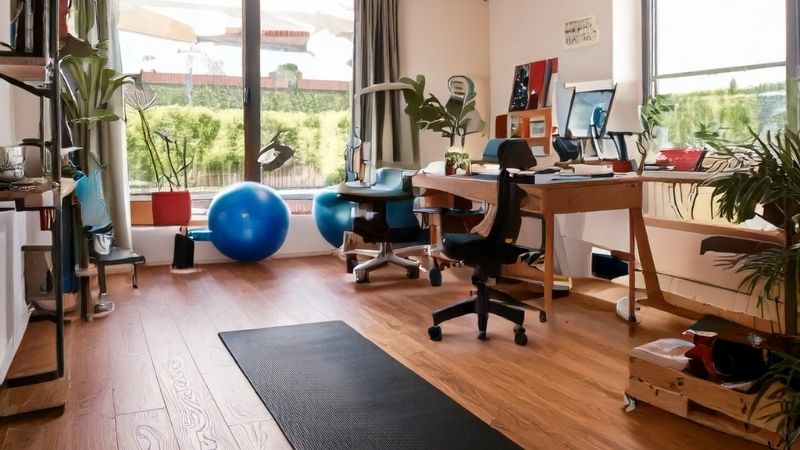
Home office & Yoga Gyme hybrid space generated by Adobe Firefly
Home office/Yoga Gym hybrid space generated by Adobe Firefly

The Rise of Hyper-Specific Room Requests

TikTok thrives on showcasing unique and aspirational home features, often turning niche ideas into mainstream demands. Dedicated home offices became essential during the pandemic, but TikTok introduced us to the “cloffice,” a cleverly converted closet space, appealing to those needing a compact workspace. Elaborate, hyper-organized pantries (sometimes with secondary “prep kitchens” or coffee bars hidden within) are another viral hit. Mudrooms with custom built-ins for coats, shoes, and even pet supplies are frequently highlighted. While not every buyer needs these specific features, their visibility on TikTok means builders are increasingly fielding requests and considering incorporating them as standard options or upgrades.

From Modern Farmhouse to Maximalist Flair Aesthetics and Finishes are Key

Visual trends spread like wildfire on platforms like TikTok, influencing homeowner preferences at an accelerating pace. While the enduring appeal of Modern Farmhouse persists, we’re also witnessing significant interest in aesthetics like Maximalism, with its bold embrace of colors, patterns, and textures; Biophilic Design, emphasizing natural light, indoor plants, and earthy materials; and the allure of moody, dramatic interiors. Specific finishes, as noted by industry observers such as Coldwell Banker, are also gaining viral traction, with “Bold Wallpapers” emerging as a popular choice for creating striking accent walls or transforming entire rooms, often inspired by online showcases.

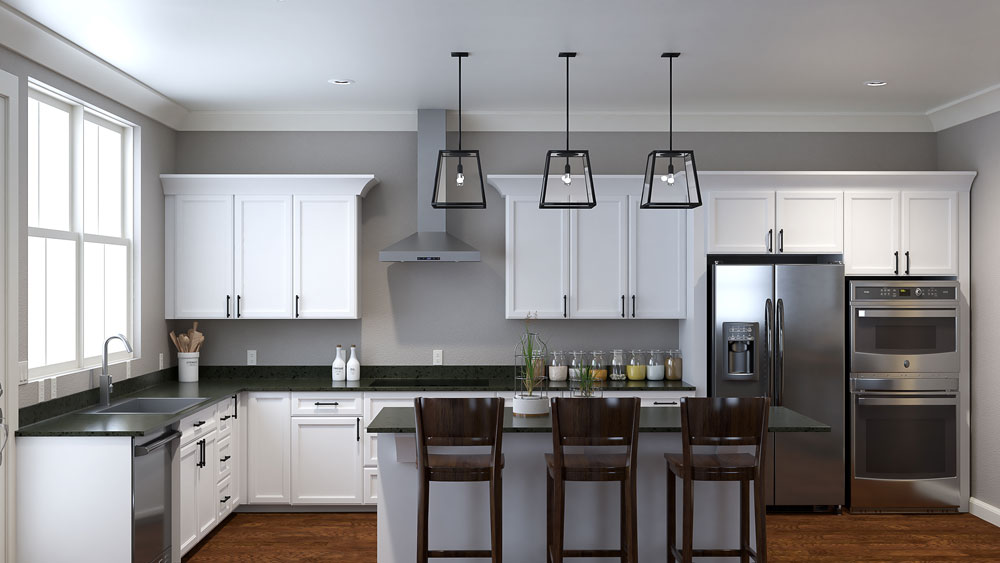
Builder Kitchen, plain colors, easy for a lot of people to like
Sego Homes Rendering, follows classic concepts of design, but also on trend: healthy, green, available smart technology.

However, builders often navigate different landscapes. While customization remains a powerful tool for showcasing possibilities in model homes and catering to pre-sale buyers, the need for broad market appeal in spec homes often necessitates a more neutral foundation. Color palettes leaning towards versatile browns and grays, along with universally accepted tile and fixture choices, provide a safe harbor, ensuring a wider range of potential buyers can envision themselves in the space should a deal fall through. This doesn’t negate the influence of trending aesthetics but rather highlights the strategic balance builders must strike between capturing current design enthusiasm and ensuring long-term marketability.

Smart Homes are Non-Negotiable

Smart home technology is frequently featured in TikTok home tours and gadget reviews. Integrated lighting controlled by phone, smart thermostats learning preferences, keyless entry systems, and whole-home audio are becoming baseline expectations for many tech-savvy buyers. Green Builder Media writes about tech mega trends and the evolution of technology in building regularly. The advances and demand are astounding. Builders at all levels are increasingly integrating robust Wi-Fi infrastructure and offering smart home packages as standard or easily accessible upgrades, recognizing that a “connected home” is now a major selling point fueled by online visibility.

Balancing Trends and Timelessness

TikTok’s influence on home design is undeniable, pushing builders to innovate and adapt faster than ever. The challenge lies in balancing fleeting viral trends with timeless design principles that ensure a home’s broad appeal and long-term value. While incorporating a trendy feature might attract buyers today, core elements like a functional layout and quality construction remain paramount. The blueprint for new homes is indeed being sketched by social media, but savvy builders will use the eraser wisely, blending the best of the ‘now’ with designs built to last.

At Outhouse.net, our highly customizable interactive floorplans can help builders showcase their flexible options. We can help builders give homebuyers the home of their TikTok fantasies. Contacts us now to find out how.

Contact Us

Ready to get started, want more info?

Contact Us
  • Facebook
  • Instagram
  • LinkedIn
  • YouTube

Outhouse

11048 N 23rd Ave #103
Phoenix, AZ 85029

602-371-4394

© 2026 All rights reserved