Why the Stakes for Great Visual Marketing Have Never Been Higher

I’ve been fortunate enough in my travels to stumble onto places that stop you cold. Croatia is one of them. It belongs on every list.
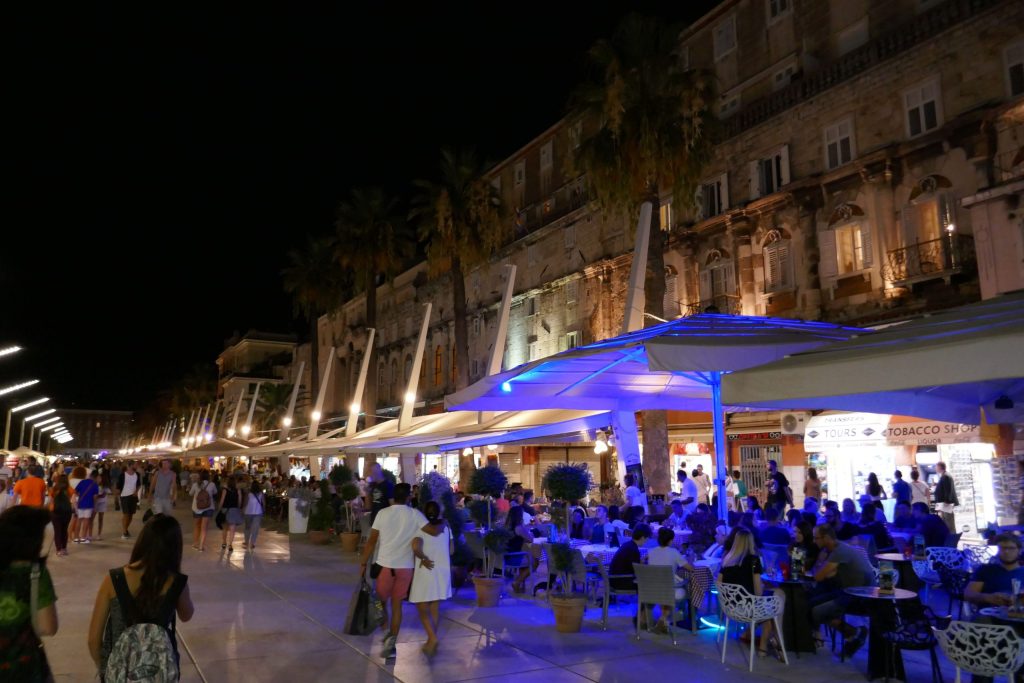
Walking into the Old Town in Split for the first time, arriving by water at dusk, is one of those experiences that makes language feel completely inadequate. The limestone buildings glow against the night sky. The narrow catacombs leading from the dock into the heart of the city feel like they could belong to any century. And then suddenly you’re standing in what was once a Roman emperor’s palace, now packed with apartments, restaurants, and a nightclub tucked under ancient arches, with residents going about their Tuesday like this is perfectly normal. Because for them, it is!
I took hundreds of photos on that trip. Not one of them fully captured what it felt like to be there. A photo is better than a written description, but even a photo falls short of the real thing.
And here’s what that experience reminded me: that gap between description and experience is exactly what great visual marketing exists to close.
The Same Holds True for Your Homes
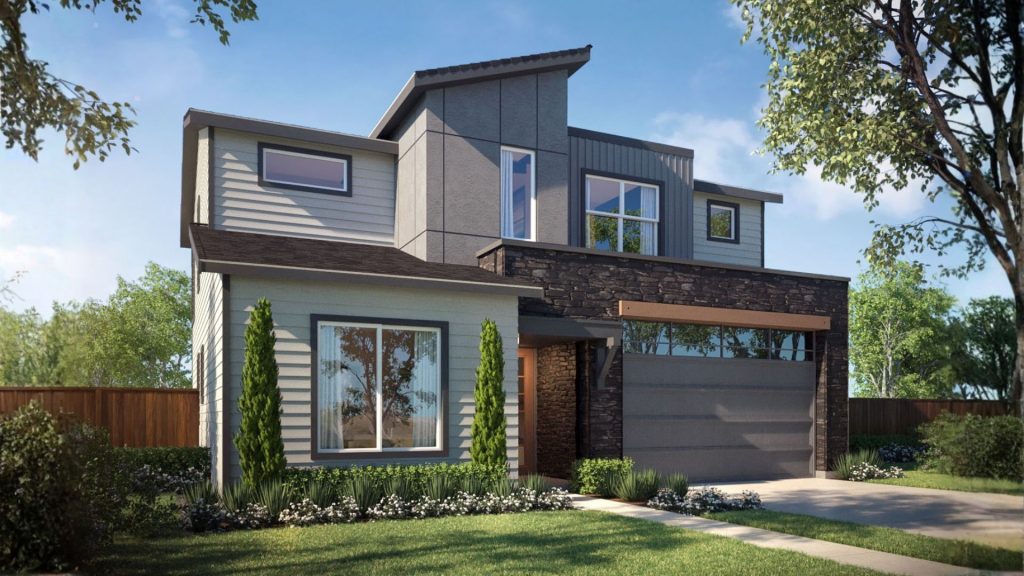
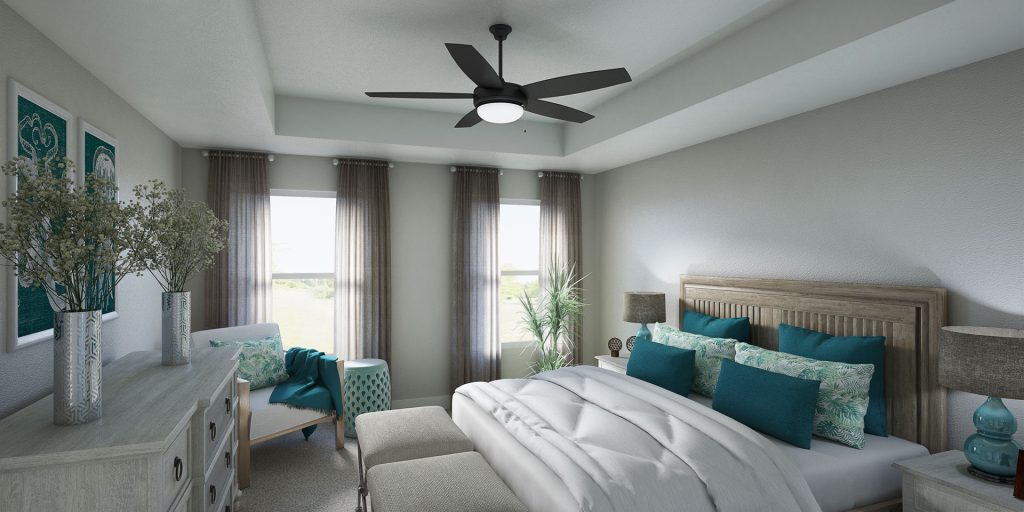
Describing a beautiful bedroom with a tray ceiling and a pair of windows that flood the room with morning light is one thing. Showing it is something else entirely.
That has always been true. What has changed dramatically is how much it now costs a builder to get it wrong.
Your buyer’s first showing of your home isn’t happening in a model. It’s happening on a phone screen, often during a lunch break, while they’re comparing three other communities at the same time. Our colleague Tabitha Warren made a compelling case in a recent post that the brain makes a brand assessment in just 2.5 seconds. When your visuals are flat, poorly lit, or just shy of realistic, buyers don’t consciously think “bad rendering.” They just feel like something isn’t quite right. And they move on.
That’s not a technology problem. That’s a trust problem.
The Bar Has Moved
Here’s something worth paying attention to as we move through 2026: the design trends dominating new home construction right now are precisely the ones that are hardest to render convincingly.
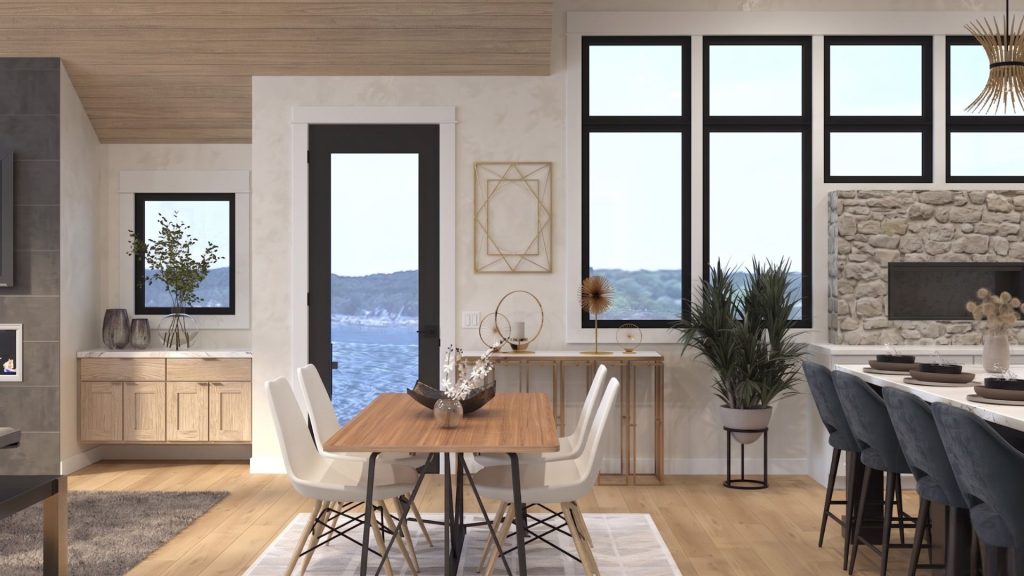
Organic Modernism has become the defining aesthetic of the moment: lime-wash walls, white oak cabinetry, tumbled stone, linen textures. These materials communicate warmth, craft, and intentionality. They are also inherently tactile. The depth of a lime-wash surface shifts with the light. White oak grain catches angles differently as you move through a room. Tumbled stone carries shadow and dimension that a standard render can’t resolve.
When a rendering flattens those surfaces, when the grain maps as a flat texture and the lime-wash reads as paint, something feels off to the buyer. They may not be able to say why. But the doubt fires all the same.
Buyers aren’t just evaluating your floor plan. They’re evaluating whether they can trust you to build the home they’re imagining. Your visuals are part of that answer, and right now they’re answering that question in the first few seconds of a digital experience that happens long before anyone sets foot in your sales office.
What the Numbers Tell Us
At Outhouse, we’ve been tracking buyer behavior across our platform since 1994. The data Kevin Weitzel shared in a recent post is worth knowing well: builders using interactive floor plans see a 40% increase in qualified leads, a 40% lift in structural option sales, and a 40% shorter sales cycle.
That is not a small improvement. That’s a fundamental shift in how buyers move through the sales process.
The reason isn’t complicated. The more a buyer can visualize and personalize their home before stepping into a sales office, the more emotionally invested they are when they arrive. They’ve already started to imagine living there. You aren’t starting a sales conversation. You’re confirming a decision they’ve already begun making in their own mind.
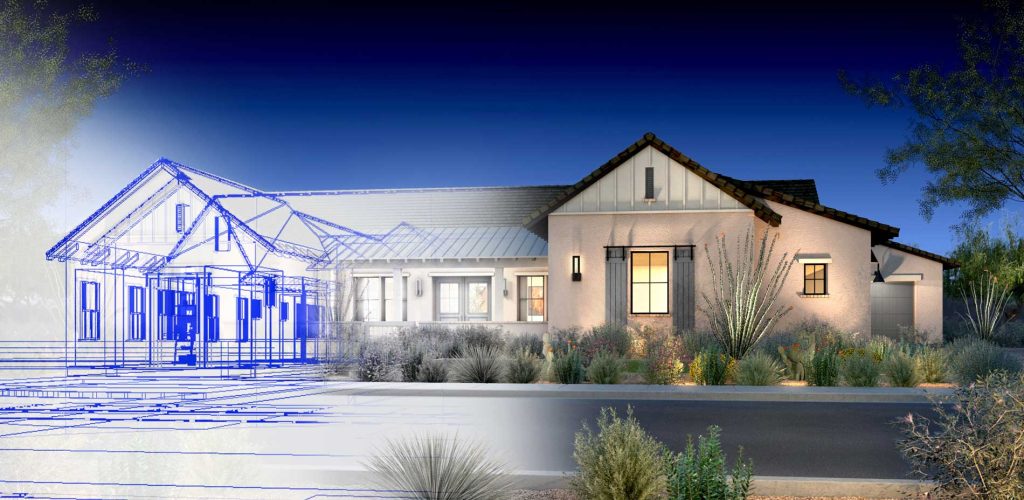
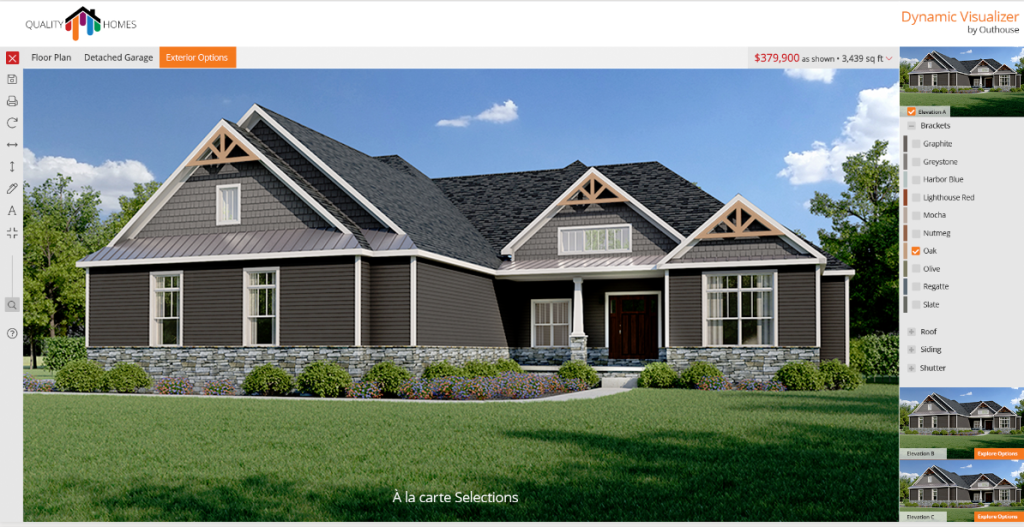
Interactive Floor Plans move buyers from browsing to belonging. Exterior visualizers let them see their home in the finishes and colors they actually want, not a generic approximation decided by someone else. And high-fidelity renderings of the specific materials that define 2026 design tell a buyer something important: that you understand what beautiful means to them right now, not five years ago.
Bringing It Together
The question builders used to ask us was, “Do we really need this?” Nobody asks that anymore. The question now is, “Are ours good enough?”
That is a much better question. It acknowledges that visualization matters. What it’s really asking is whether your visuals are closing the gap between description and experience, or whether they’re leaving buyers with that vague, nagging feeling that something isn’t quite right.
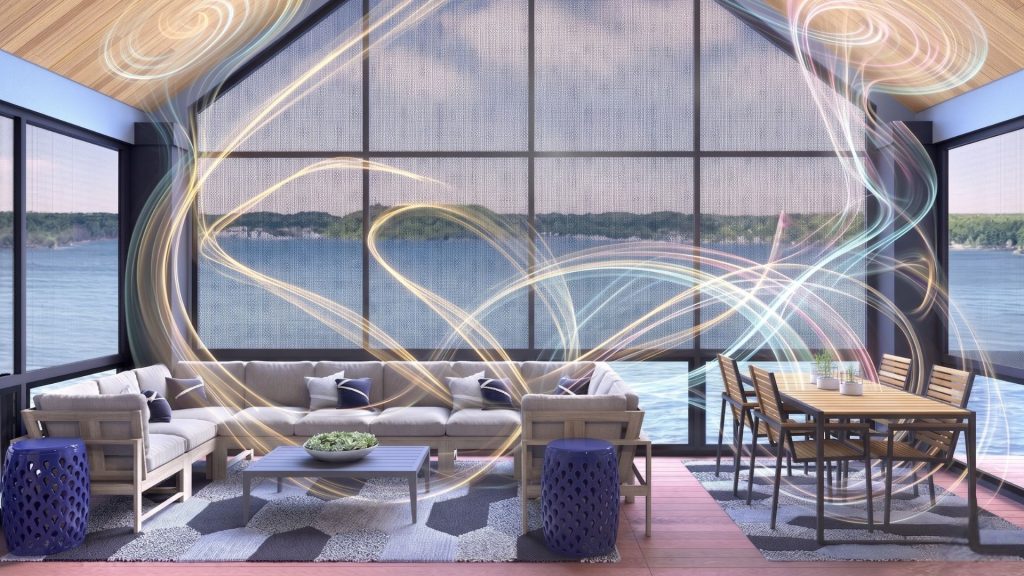
At Outhouse, we believe your visual standard should match your build standard. We’ve been helping builders make that case to buyers for over thirty years, and the tools available today are extraordinary. From photorealistic renderings built on Organic Modernism materials to Interactive Floor Plans that let buyers configure their own home, to full-platform solutions that carry a consistent visual identity from the website to the sales kiosk to the print collateral in the model home.
A picture still paints a thousand words. In 2026, it also has to earn the trust it takes to sign a contract.
Croatia taught me that some places simply have to be seen to be believed. Your homes deserve the same chance to speak for themselves.
Ready to see what your homes could look like?