https://www.buildersshow.com/logos-and-photos
Reflections from the 2026 International Builders’ Show
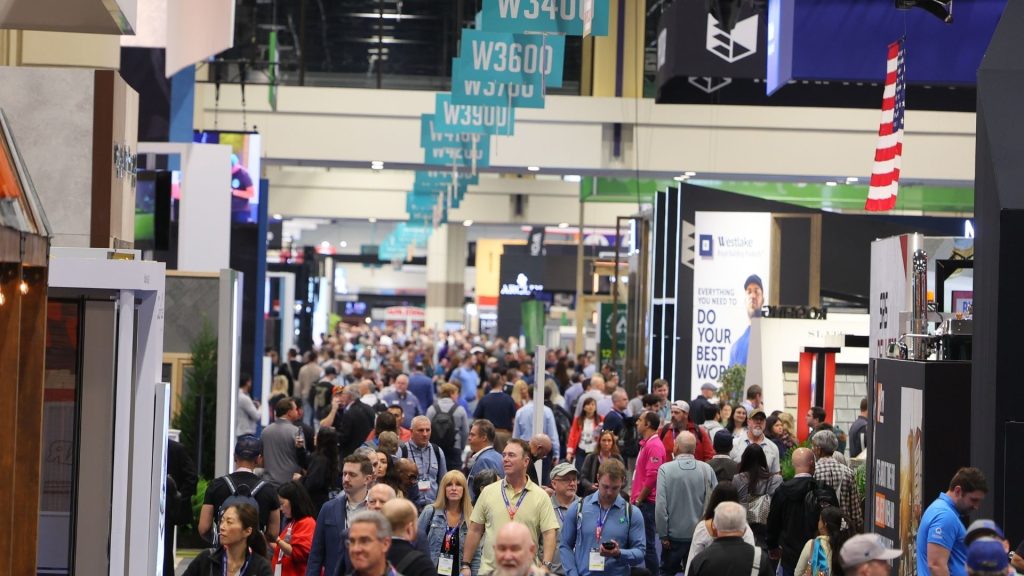
Every year at the International Builders’ Show, thousands of builders walk the exhibit floor looking for the next big thing: the technology that promises to sell homes faster, improve operations, or revolutionize the sales process.
If you’ve attended IBS before, you know the feeling: massive booths, flashing screens, product demos everywhere, and plenty of bold predictions about the future of homebuilding.
It’s exciting, but it can also be a little overwhelming. By the end of the week, many builders head home with a notebook full of ideas and a lingering question: Which of these technologies will actually help us sell more homes today?
I’ve always considered myself a fairly early adopter of new technology. But experience has also taught me to proceed with just a little caution. After choosing the disastrous Ford EXP (EXperimental Prototype should have been the red flag)as my first car, I developed a habit of waiting until the second or third generation before jumping in.
New technologies are exciting, but early versions often bring unexpected challenges and sometimes hefty price tags.
I remember being captivated by the first plasma flat-screen TVs. The picture was incredible, but at $15K+, they weren’t exactly flying into many living rooms. I also waited until the third generation of the iPhone before adopting. I wanted to be sure it offered more than just a cool pinchable screen.
Sometimes patience pays off.
A Surprising Placement at IBS
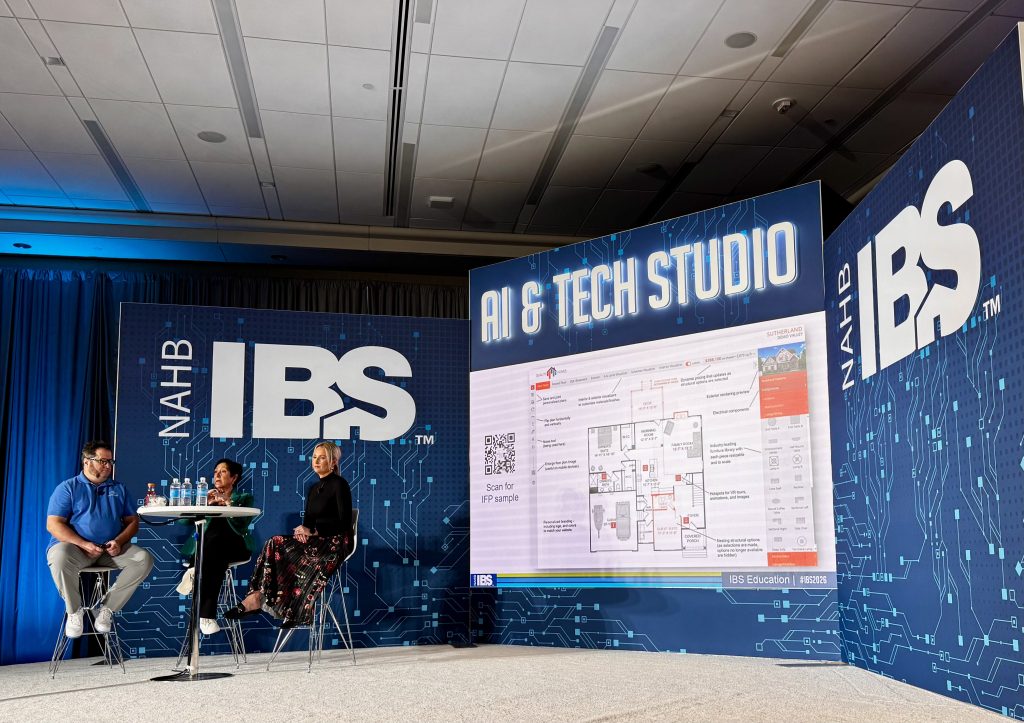
In preparation for IBS 2026, Outhouse submitted a proposal for one of the show’s Knowledge Sessions. Our topic focused on digital tools like interactive floor plans and virtual tours: technologies that have been helping builders engage buyers online for years.
The proposal wasn’t selected for the main education track. Instead, we were invited to present at the Tech Studio.
At first, we were surprised. Interactive floor plans and virtual tours don’t feel cutting-edge. But maybe that’s the point: What’s established can still make a huge difference where it counts.
But the IBS education team explained something important: they’re intentionally expanding programming that speaks directly to the needs of small and mid-size builders.
Outside of the large public builders and some high-end custom firms, many builders simply don’t have the budget or technical resources to adopt every new experimental platform that appears on the market.
And the truth is, they don’t necessarily need to.
What’s “Old Tech” to Us Is Still Amazing to Buyers
A recent episode of the Netflix series Owning Manhattan drove this point home for me.
At the grand opening of a luxury condominium project designed in partnership with Mercedes-Benz, prospects and real estate agents were blown away by VR headset tours of the building.
The interesting part?
Virtual reality tours have been around for more than a decade.
But for many buyers attending the event, it was their first time experiencing one.
We sometimes forget that most families buy only three or four homes in their lifetimes. What might feel like “old tech” to those of us in the industry, VR tours, Matterport scans, visualizers, or interactive floor plans, can feel entirely new and incredibly impressive to them.
After working with builders for more than two decades, we’ve seen plenty of technology trends come and go. But one thing hasn’t changed: buyers want tools that help them visualize their future home.
Start with the Tools That Actually Move the Needle
If you’re a small- or mid-size builder using static floor plans and galleries, start with just one interactive upgrade.
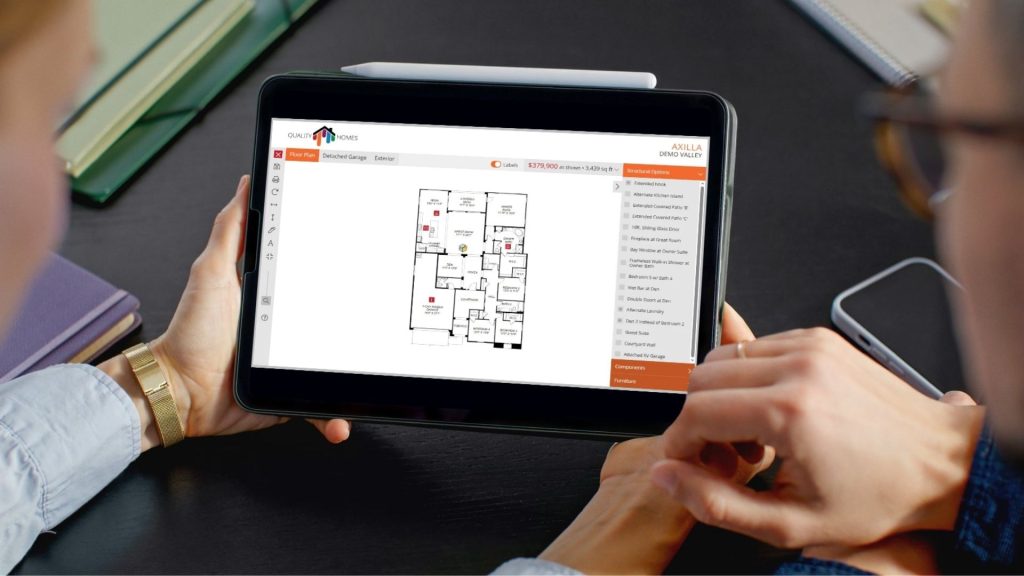
A great place to begin is with interactive floor plans.
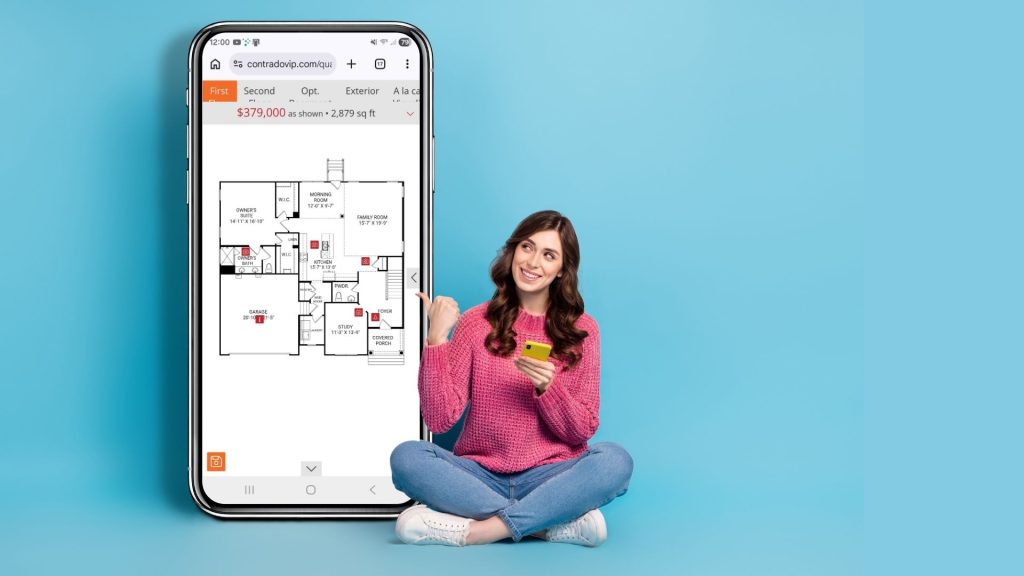
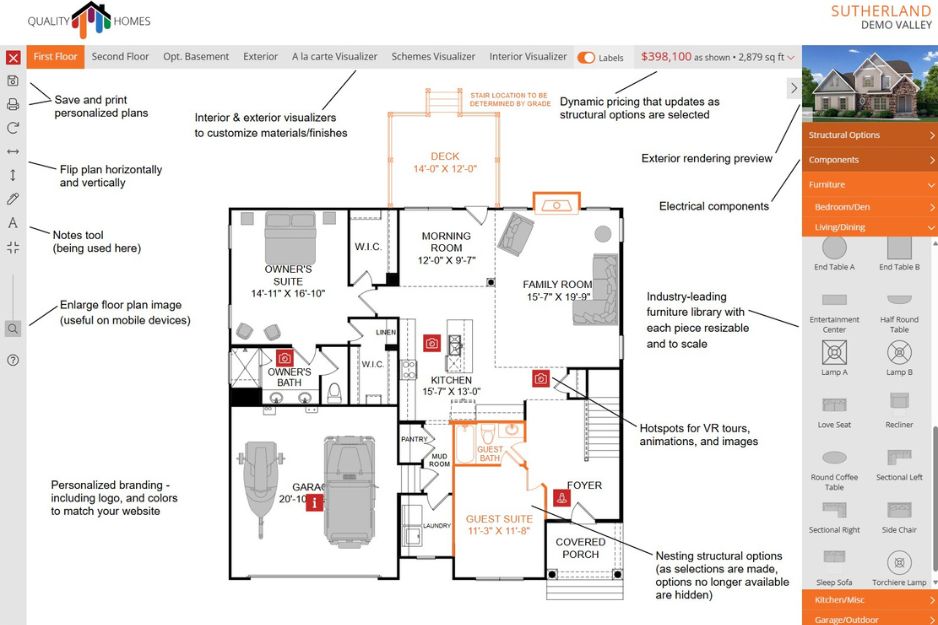
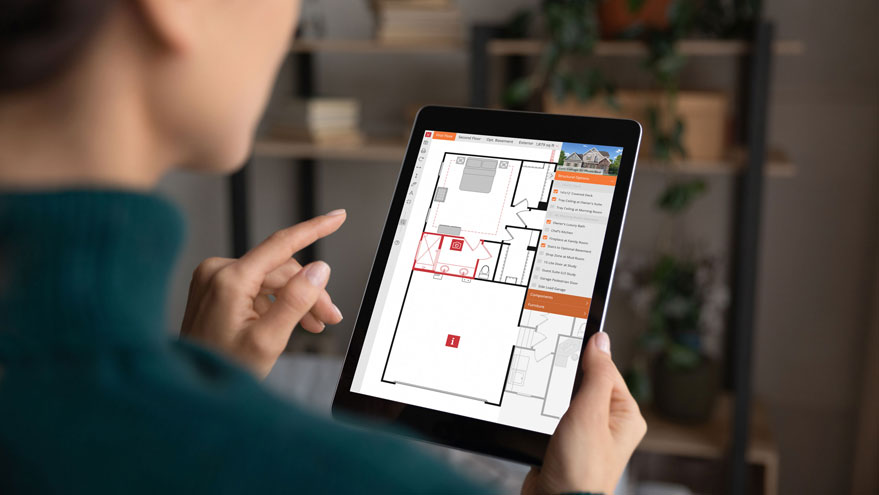
These tools allow buyers to explore layouts, select options, and even place furniture within the plan. The experience helps them visualize the home more personally, which increases engagement and confidence in the purchase.
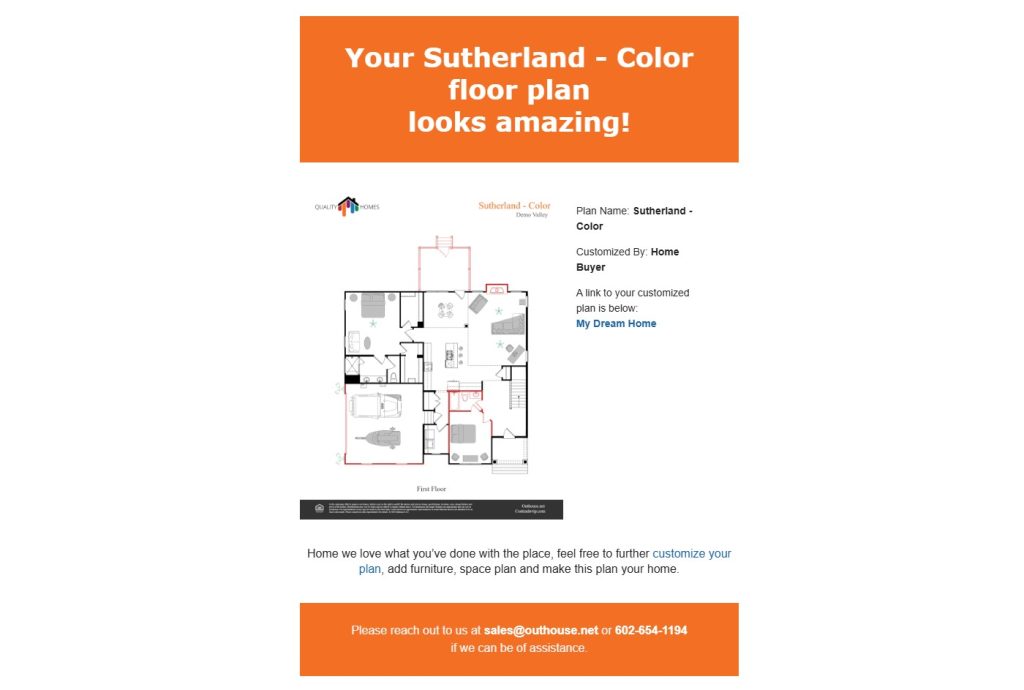
They also provide valuable marketing insight. When a prospect saves a plan or configuration, builders gain a high-quality lead along with a better understanding of what that buyer is looking for.
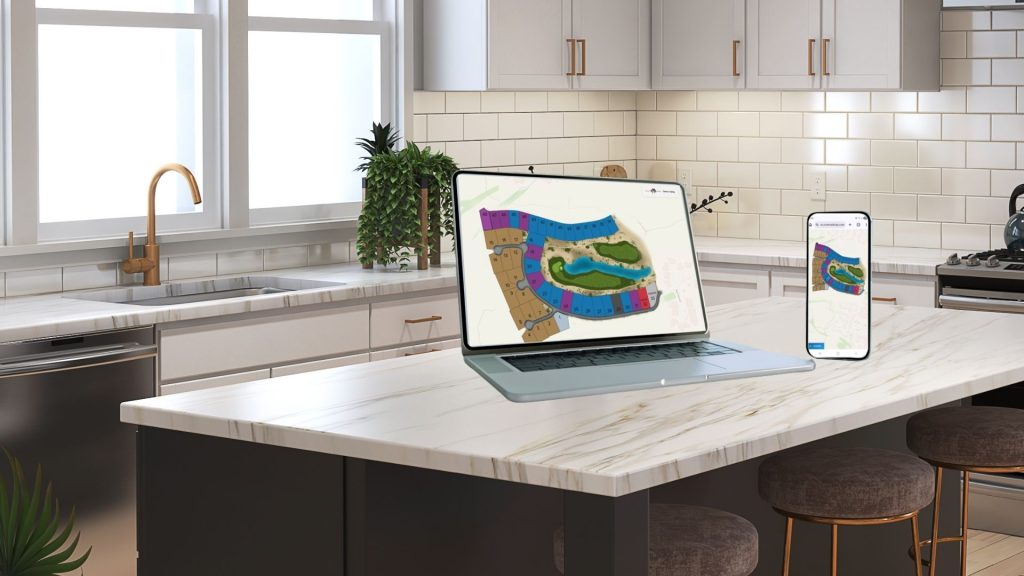
Once interactive floor plans are in place, the next logical step is adding virtual tours to your website. These allow buyers to walk through model homes or completed inventory properties anytime, from anywhere.
For buyers relocating from another city or even another state, that accessibility can be a powerful selling tool.
A Welcome Focus on the Builders Who Make Up the Industry
One of the encouraging takeaways from IBS this year was the show’s renewed focus on small and mid-size builders.
After all, these companies represent roughly 99% of the homebuilding industry.
While the industry will always continue pushing toward the newest technologies, and that’s exciting, many builders will see the greatest immediate impact by adopting tools that are already proven to engage buyers and support the sales process.
Sometimes the smartest move isn’t chasing the newest technology on the exhibit floor.
It’s finally implementing the tools buyers already love.
A Final Thought
If your website is still relying primarily on static floor plans and images, you may not need the newest experimental platform introduced at IBS.
You may simply need to take the next step toward creating a more interactive experience for today’s homebuyers.
Interactive floor plans and virtual tours aren’t futuristic; they’re proven solutions helping builders engage buyers and sell more homes online right now. Embracing these tools is often the innovation that matters most.
And sometimes, that’s exactly where innovation should start.
Take the first step toward a more interactive experience for today’s homebuyers.