
• Skip to primary navigation
  • Skip to main content
Outhouse logo

Outhouse

The Outsource Hub for Home Builders

  • Home
  • Products & Services
    • Architectural/CAD
    • Rendering
    • Virtual Reality
    • Interactive Floor Plans
    • Interactive Site Maps
    • Interactive Kiosks
    • Print Marketing
    • Sales Office Displays
  • Partners
  • News
    • Events
    • Blog
    • Podcast
  • About Us
  • Contact Us
  • Show Search
Hide Search

home buyer

What’s Really Blocking Housing Attainability? The Data Just Got Clearer.

Bill Gelbaugh · 03/30/2026 ·

Reports on housing attainability house keys and a cup of coffee.

Back in January, I wrote about something that’s been bothering me: the gap between “affordability” and “attainability” in housing. I argued we need to stop building for the market we wish existed and start designing for the one that’s actually out there. Smaller footprints. Smarter products. Real solutions for young families and folks like me who are looking to downsize. But I left something out. A big piece of the puzzle I should have explored more deeply: Who’s competing for these homes before first-time buyers even get a shot

Turns out, three-quarters of Americans already know the answer.¹

Here’s What the Research Shows

A colleague of ours, Paul Fallon at Fallon Research & Communications, just completed a national survey on this exact question. The numbers are striking: 75% of Americans say investor and corporate homebuying has affected housing prices in their communities, and 41% say the impact has been “a lot.”²

But what really caught my attention was the sentiment behind those numbers. When people were asked whether investor buying is good or bad for homebuyers trying to afford homes, 65% said bad. Only 4% said good.³ That’s not a split opinion; that’s a verdict!

Here’s the part that surprised me: even homeowners who could theoretically cash in when investors drive up prices aren’t comfortable with it. While you’d think they’d welcome higher sale prices, 51% of homeowners still view investor buying negatively.⁴ Something deeper than dollars is at work here.

Why This Hits Home

You know about my daughter: 26, working hard, raising two kids, doing everything right. She’s still shut out of homeownership. And here’s what I’m realizing: she’s not losing out to other young families in bidding wars. She’s losing to institutional buyers with cash offers and algorithms that optimize for investment returns, not building lives.

Paul’s survey confirms what a lot of us are already feeling: investor buying is becoming the villain in this story. Politicians love a villain, especially one that doesn’t have much public sympathy. When 51% of Americans want to ban corporate homebuying outright, that tells you something.⁵ This issue has legs politically, whether we like it or not.

Politicians Are Starting to Notice

Look, I don’t care whether it’s past, current, or future administrations. They all need to pay real attention to this beyond just lip service. The current administration started exploring steps to address investor homebuying in January,⁶ which tells you it’s crossed the threshold from market quirk to political necessity.

But here’s my concern: politicians talk a good game, then move on to the next headline. Housing affordability and corporate buyers’ needs sustained focus, not another task force that issues a report nobody reads.

What This Means for Us

The investor question connects directly to the attainability challenge I wrote about in January. If investors are scooping up starter-home inventory before families can compete, then just building “attainable” homes isn’t enough. We need to think about how we’re building them and who we’re building them for.

I’m not interested in vilifying investors. That’s too easy. What I am interested in is recognizing that markets respond to incentives, and right now, the incentive structure favors Wall Street over Main Street. That’s a design problem we can actually address.
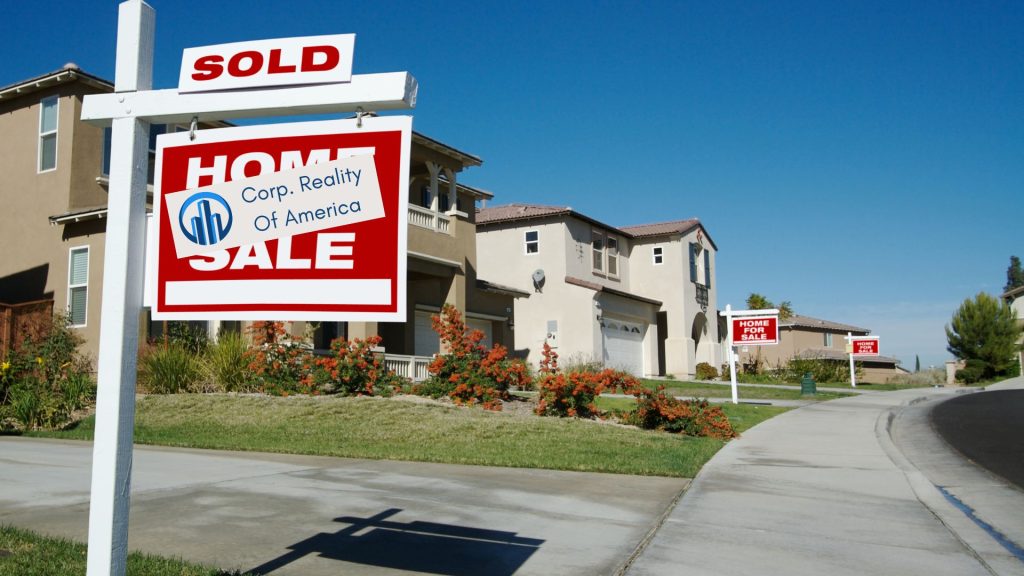
Home for sale sign, Home sold to corporate America.

Three Questions Worth Asking

The survey data raises some uncomfortable questions for our industry:

First, are we building homes that institutional investors want, or homes that families need? There’s overlap, sure, but they’re not the same market. One wants scalable portfolios with predictable returns. The other wants a place to raise kids and build equity.

Second, should we, as local builders, support policies that prioritize owner-occupants? Some markets are already experimenting with purchase preferences for primary residences. Is that something we want to get behind, or resist?

Third, can we design products that make our homes more accessible to actual families rather than appealing more to investment portfolios? I don’t have all the answers here, but I wonder if things like new partnerships with communities, phased purchase programs, or even just designing homes that appeal to owner-occupants rather than rental portfolios might change the
equation.

The Real Challenge

In January, I said attainability is about creating paths between where someone is and where they need to be. I asked whether we’re actually building those paths or just repeating what’s always been done.

The new data adds a harder edge to that question: it’s not just about creating paths. It’s about keeping them open against well-funded competition that doesn’t need the home to live in. My daughter still doesn’t have a path to ownership. Neither do millions like her. But at least now we can see more clearly what’s blocking the way.

Three-quarters of Americans already know investors are affecting attainability. The question for us as builders is whether we’re going to design around this reality or keep building for a market increasingly dominated by portfolios rather than people.
What will you choose?

If you would like to talk about housing attainability and how to help your potential customers.

Contact us

Did you miss part one of our attainability series? If so you can read it here: Affordability vs Attainability: A Question We Cant Keep Avoiding

Footnotes
¹ Fallon Research & Communications, Inc., National Public Opinion Research Results Overview: Views on Investors & Corporations Buying Housing (January 2026). Survey of 1,144 U.S. adults, conducted January 22-27, 2026, margin of error ±2.89%. Permission granted for distribution. ² Ibid., p. 4. Combined total of respondents who said investor buying “affected housing prices a lot” (41%) and “affected housing prices somewhat” (34%).
³ Ibid., p. 5. When asked if investor homebuying has been “good or bad for home buyers who are trying to buy homes they can afford.”
⁴ Ibid., p. 5. Survey employed split-sample testing to measure attitudes among both buyers and sellers.
⁵ Ibid., p. 6. Response to question about whether investors “should be prohibited” versus “should be allowed” to buy housing for investment purposes.
⁶ The New York Times, “Administration Explores Steps to Address Wall Street Investors in Housing Market,” January 7, 2026, https://www.nytimes.com/2026/01/07/business/trump-wallstreet-
investors-homes.html.

Optimizing the Design-Market-Sell Continuum – Tips for Home Builders – Part 1

Jim Sorgatz · 02/25/2024 · Leave a Comment

As the 2024 NAHB International Builders Show gears up to roll out the red carpet this week, it’s the perfect backdrop for a little fireside chat on elevating your home building game. With the industry’s brightest minds converging in one spot, buzzing with the latest trends and innovations, we at Outhouse are seizing the moment to sprinkle some of our own seasoned advice into the mix. Let’s dive into the art of perfecting the design-market-sell trifecta, shall we? 

With so much information, this post is being broken into two parts. In Part 1 we cover CAD, Rendering, and Print Marketing – the essentials every builder must have. These are what we would call the more physical items, the ones used for design review, neighborhood presentations, in your design centers, and for the construction of your homes. In Part 2 we will discuss website tools. Although renderings fall into both categories, our second post focuses on digital tools that are more interactive. 

Part 1: The Essentials – CAD, Rendering, and Print Marketing 

In the realm of home building, there are a few non-negotiables: CAD, rendering, and print marketing. These are the bread and butter, the tools that transform a blueprint dream into a sticks-and-bricks reality.

VP of Operations Darin Keezer with CAD tips
Darin Keezer, VP of Operations

CAD (COMPUTER AIDED DESIGN) 

Imagine having a magic wand that ensures your construction documents are flawless, a foundation as solid as the homes you build. That’s what good construction documents do for you. Here at Outhouse, under the guidance of our VP of Operations, Darin Keezer and his cadre of seasoned pros with over 30 years of experience working exclusively with production home builders, we offer CAD services that are a cut above. Here’s why: 

  • Uniformity for the Field Crew: Our approach ensures that regardless of the designer, the plans maintain a consistent look and feel, making life easier (and error-free) for those on the ground. 
  • You’re the Boss: The files? They’re yours. Whenever you want them, wherever you need them sent, consider it done. 
  • No Nickel-and-Diming: We’re all about transparency. No per-lot-use or other hidden fees, just straightforward billing for the time spent on your plans. 
  • Compatibility is Key: Our 2D plans play well with others, making them a breeze to integrate with additional Outhouse services or other consultants. 

While the CAD magic happens, why not simultaneously kickstart your marketing with some stunning renderings, virtual tours, visualizers, interactive floor plans, interactive site plans, and print collateral? It’s all about multitasking. 

Outhouse partner Stuart Platt

RENDERINGS – A WEBSITE STAPLE

A well-crafted rendering can speak volumes, turning the intangible into something almost touchable. In today’s market, where digital home tours are gaining ground, the allure of a beautifully rendered image remains undiminished. While virtual tours and visualizers are becoming more mainstream, renderings are still the essential source of product visualization. Colored renderings should be a staple for every home builder website. Black/white stick drawings are a huge turnoff. For as little as $195, Outhouse can create a very nice 2D rendering. For a bit more, most builders opt for 3D photorealistic renderings, as they provide a far superior picture of a home. With realistic landscaping and the ability to include special lighting like dusk shots, the renderings are often more appealing than a photo of a newly constructed home, which is frequently on a dirt lot with a couple of “twigs” for trees. Today’s home buyers expect the essential marketing tools, and renderings fall into this category.  Here’s how we make your projects pop: 

  • From Meh to Marvelous: Ditch the bland for the grand with colored renderings that capture the imagination of your buyers. 
  • The Devil’s in the Details: Outhouse partner, Stuart Platt, swears by the golden rule: the more accurate your CAD, the more stunning the rendering. It’s that simple. 
Outhouse Partner Bill Gelbaugh with print media tips
Outhouse partner Bill Gelbaugh

PRINT MARKETING – YOUR PROJECT IN THE SPOTLIGHT 

In an era where digital is king, print marketing retains its crown for creating tangible connections. With an onsite print department dedicated to print media for production home builders, here at Outhouse, LLC, we understand the importance of every stage of production home building printing and the vital steps to making your project a success. This includes on-time delivery to your sales centers. Bill Gelbaugh, our print guru, knows the ins and outs of making your projects shine on paper. Here’s his blueprint for success: 

  • Plan with Precision: Like laying a foundation, choosing the right quantity, size, and type of print material sets the stage for everything that follows. 
  • Choose Wisely: Not all printers are created equal. Opt for one that knows the ins and outs of the home building industry. 
  • Attention to Detail: A single typo can throw a wrench in the works. Proofread like your project depends on it (because it does). 
  • Clear as Day: When it comes to special requests or concerns, communication is key. The right printer will make your vision a reality. 

That is our humble advice to ensure your print media materials turn out just as you envisioned and on budget. Remember, at Outhouse, LLC, we have more than 25 years of experience in specialized homebuilder printing. 

MEET US AT IBS! 

And there you have it, folks. A sneak peek into the alchemy of blending design, marketing, and sales into a seamless continuum. But wait, there’s more! Swing by IBS this week for a cup of joe on us at Sales Central in the West Hall, Room 311. Outhouse and our friends at Blue Gypsy Inc. can’t wait to meet you. 

Stay tuned for Part 2, where we’ll dive into the digital deep end with website tools that make your projects not just seen, but experienced. Until then, happy building! 

The Importance of a Digital Marketing Ecosystem: A Lesson from Tesla

Jim Sorgatz · 09/18/2023 · Leave a Comment

 Blue Electric Vehicle charging at Tesla Station.
Tesla Image Adobe Stock

When you think of leaders in the electrical vehicle movement, I believe even the Elon haters would have to give props to Tesla. They have moved into a position of power that is rare. One of the chief reasons for this is their self-contained ecosystem. From batteries to auto parts to charging stations and software, Tesla is in control. There is little that is outsourced. 

This streamlined approach makes them significantly more profitable than other auto manufacturers. They also have one of the most powerful computer systems in the world, enabling drivers to control everything from a sleek touchscreen. Tesla also gathers data from their vehicles. Paired with AI, the data from every mile driven gives them the lead in autonomous driving. No one knows when robo taxis will make their grand entrance, but the probability of it happening in my lifetime is exciting!

Tesla Touchscreen Controls
Tesla Touchscreen Controls Adobe Stock

The Ecosystem

What does all this have to do with homebuilder sales and marketing, you ask? It all comes down to the ecosystem. While some builders use individual vendors for renderings, interactive floor plans, print materials, etc., savvy builders understand the benefits of working with a full-service provider like Outhouse. In addition to digital marketing assets like interactive floor plans (IFPs), interactive site plans (ISPs), renderings, virtual tours, visualizers, animations, and digital kiosks, we also have an in-house print and signage shop and a full-service computer-aided design (CAD) department. Clients who use all our services benefit from significant time and cost savings. When you make changes in CAD, those edits carry across our entire ecosystem.  

Our “Touchscreen” – the Interactive Control Center

Like Tesla, Outhouse now has a slick “touchscreen,” our new Interactive Control Center. With the launch of this intuitive administrative back end for our interactive platform, we are setting the stage for a new future in interactive control. A few of the features include:

  • A new look with upgraded graphics for ease of use and improved navigation
  • A clean template with easy-to-see project permissions
  • Choice between light and dark themes, similar to our IFPs
  • The ability to personalize by setting your home page – perhaps a specific community or your interactive floor plan list
  • No more pagination. The plan list is fluid. While not a huge issue for builders with only a few IFPs, builders with dozens will appreciate this time-saver
  • Seamless movement between IFPs and ISPs in the same community. No more toggling between lists of IFPs and ISPs
  • Simplified self-serve reports and the ability to export data in Excel, CSV, JSON, and XML
  • A search box and filters to make it easy to find what you are looking for.

Also coming soon to the Control Center are a dashboard, and everyone’s favorite – widgets. Everything is designed to simplify the management of your interactive tools and data collection from potential clients. 

Tesla’s Super Chargers in a line Adobe Stock

Integration

Integration makes life easier. Ask the owners of EVs manufactured by companies other than Tesla. There’s a reason the most prominent auto manufacturers are signing contracts to access Tesla’s Supercharger network. Constructed in secret, Tesla unveiled their first six Supercharger stations in 2012. From there, they have continued building a Supercharger network nationwide. They understood the need for a strong network of Superchargers for EVs to compete with gas-fueled vehicles. Tesla also fixes and improves their cars simply by issuing a software update. Their ecosystem is fully integrated, from construction to batteries to software to charging stations.

In recent years, Outhouse has enhanced our interactive products to achieve full integration with each other. Starting with our interactive site plan, your home buyers can click on a lot to reveal renderings of the available homes. Click on a rendering, and it opens an interactive floor plan. While engaging with the IFP, home buyers can also view virtual tours and select colors and finishes with interior and exterior visualizers. All of our interactive tools can be neatly packaged into an interactive kiosk for potential homebuyers to peruse while at your sales center.

Outhouse Interactive Site Plan

Before you start your next community, consider how your company might benefit from implementing a complete interactive ecosystem rather than just a few pieces and parts. Today’s home buyers are shopping online; your website should make it easy for them to decide your homes and communities are the right fit for their families. As the EV market grows, you may also want to consider where to place a Supercharger!

New Home Sales Centers Take Center Stage

Jim Sorgatz · 01/09/2023 · Leave a Comment

Even Smaller Builders Can Have a Top-Notch Sales Office

With the slowdown in residential sales, home builders across the nation are investing in new home sales centers, or model home centers, to showcase their houses and communities. Sales centers are a great vehicle to draw homebuyers in and highlight all your homes offer. Large public builders may opt for elaborate buildouts with cabinets, multiple touch screens, and monitors, especially in larger communities. On the other hand, many small or mid-size builders may ask what it takes to install a sales center. With some creativity and an eye for design, even the smallest production builders can set up an effective sales center in the garage of a model home.

Small room with wood floor, a modern wood credenza and four-legged bench.  On the wall are a touchscreen monitor, with K. Hovnanian Homes logo above and 3 large white framed poster on the right.
Come on in and explore. Simple furnishings, large framed panels, a touchscreen display, and an acrylic logo create an inviting, sophisticated room for the K. Hovnanian Looks sales center.


A great place to start is with signage experts like Outhouse. With experience in top-of-the-line installations for some of the most prominent builders and scaled-down designs for smaller companies, we can offer suggestions and advice on model home centers to fit any budget. Large framed panels that tell a story create emotional connections and are cost-effective. A large acrylic logo on the wall and smaller directional signs and nameplates give the room a polished look. A wrap covering an entire wall packs a punch and creates a memorable wow factor.

Large format print.  A wrap with the image of motorcycle racers covering two walls in a garage.
An inspirational wall wrap in a private garage. Imagine one like this in your sales center!

The key to a thriving sales center is excellent storytelling and uniformity of the design elements. With this goal in mind, builders sometimes combine their sales center with a design center bringing in additional warmth and visual appeal.

A wall wrap with the image of a boy capturing a firefly in a jar.  An acrylic panel with text overlays a portion of the wrap.
Starlight Homes sales centers may have a new look these days, but this is still one of our favorite iterations. Storytelling at its finest.


In today’s digital age, an interactive kiosk is a must. Essentially a mini-website, interactive kiosks integrate your digital marketing tools in a single app for easy use onsite at the sales center. Responsive, device-agnostic kiosks like those provided by Outhouse integrate point-of-interest maps, interactive site plans, interactive floor plans, interior and exterior visualizers, virtual tours, and animations for a seamless home-buying experience. They engage homebuyers and can be installed on any device. Even something as small as a tablet becomes a powerful sales tool. Imagine buyers customizing their home through an interactive floor plan while touring your models.

The home page of an interactive kiosk produced by Outhouse.  Buttons along the side link to a Welcome page, Point of Interest map, interactive site plan, and interactive floor plans.
The Outhouse Interactive Kiosk with links to a welcome page, point of interest map, interactive site plan, and interactive floor plans. Buttons can be customized to include virtual tours, interior and exterior visualizers, or whatever else you’d like.


With a more significant budget, consider installing large touchscreen monitors to elevate the impact. Visitors to your sales center will feel like they are in a sci-fi movie as they whiz around maps, floor and site plans, house renderings, virtual tours, and more, all on a grand scale. Hang a monitor on the wall or install it in a custom cabinet or table for a more sophisticated look. Creative License International and the Temeka Group are a couple of companies that build custom furniture for sales and design centers.

A small sales center (model home center) installation for Arizona builder Cachet Homes. Cachet Logo with monitor on the left wall.  Union Park logo with floor plan posters, and a blue bench on the facing wall. Touch screen monitor for an interactive kiosk on the right wall with a table below holding print materials.
Cachet Homes Arizona sales center. The complete package in a compact space. Wall mounted acrylic panels, touchscreen monitors featuring an interactive kiosk, and print collateral engage the senses.


The final element of a thriving sales center is print marketing. Although some digital marketing agencies may lead you to believe that print is no longer a viable marketing tool, statistics show otherwise:

Infographic with images representing print marketing statistics which are listed below the graphic.
  • 95% of people under 25 years old read magazines (Top Media Advertising).
  • 82% of consumers trust print ads the most when making a purchase decision (Burstein).
  • Combining print and digital ads makes online campaigns 400% more effective (Top Media Advertising).
  • Print drives higher levels of brand recall vs. digital (77% vs. 46%) (Newsworks).


Think about it. We go to trade shows and expos like the International Builders Show, Pacific Coast Builders Conference, Southwest Builders Show, Southeast Building Conference, and more for human connection. We meet with business associates, physically test new products, and pick up many samples, catalogs, and marketing brochures along the way. When we get home, we review those brochures in detail as part of our decision-making process. Print still plays an integral role in marketing.

A print brochure for Capital West Homes in Arizona featuring a cover with photos of a family, community landscape, and house renderings and floor plans inside.
Print brochure with house renderings and floorplans for Capital West Homes in Arizona. The perfect takeaway for model home center visitors.


Outhouse installs sales centers/model home centers and provides print marketing for home builders across the nation. If you’re ready to install your sales center and would like a quote on signage, interactive kiosks, touchscreen monitors, and print collateral, contact us at [email protected]. If you are unsure where to start, call the Outhouse experts at (602) 371-4394. We are here to help and can guide you in the right direction based on your design requirements and budget.

Why Is Experiential Marketing Essential for Home Builders?

Jim Sorgatz · 07/10/2022 · Leave a Comment

Children at a Hogwarts themed party
A giant wall wrap printed by Outhouse, “floating” candles, and authentic table decorations create the perfect setting for a Hogwarts themed party.

There is a much more businessy answer to this question, but I’m going to start by introducing Darin Keezer, our VP of Operations. Most people know Darin as a number cruncher, spreadsheet whiz, Computer-Aided Drafting (CAD) specialist, and an all-around smart guy. Many people don’t realize he is also an expert on experiences and a brilliant party host (watch out, Martha!). Whether it be a Wizard of Oz Halloween or a Harry Potter Birthday bash, Darin and his wife Angie create the most amazing experiences for their two daughters and others. I am so jealous! With all the chatter about left brain vs. right brain – how is it possible that someone so technical can also be so immensely creative?

The bottom line is Darin and Angie know their audience and what kind of experiences they crave. With this knowledge, they put in the time, effort, and expense to create the best, most engaging experiences possible.    

People crave personalized experiences. And after spending a significant amount of time sitting at home the past couple of years, we are seeking them out more than ever. In response, companies, and their marketing teams, are ramping up efforts to create unique, hands-on experiences for clients/customers. Salesforce tells us, “Brands who can facilitate outstanding customer experiences will be the ones that will differentiate themselves. And it’s not a secret to executives, as 68% of marketing leaders claim their company is increasingly competing on the basis of customer experience.”  

Darin and his wife Angie turn their backyard into the road to the Emerald City.

Outhouse and our digital marketing and web development partners like Blue Tangerine, Group Two Advertising, Meredith Communications, Adlanta Creative, Denim Marketing, A2 Digital Consulting, Boe Creative, Bokka Group, Evolution Marketing, Flying Orange, Kovach Marketing Pepper Glen Creative, Rhoads Creative, Wick Marketing, and 616 Marketing, and more understand the importance of experience when marketing for home builder clients. In today’s scroll through, swipe left, swipe right world, home builders need to stand out from the crowd if they want to be memorable. Experiential marketing gives a competitive edge to forward-thinking builders.      

So what does experiential marketing encompass? A few general examples include: 

  • Demos
  • Events and festivals
  • Activities and kiosks at trade shows
  • Unique brand experiences
  • Retreats

In other words, pretty much anything that actively engages clients/consumers.

Darin’s Halloween experience gives Tim Burton a run for his money.

How does this relate to home building? The past couple of years have been huge for our industry. As the pace slows down, the top builders are elevating their homebuyer experience to grow sales. Static floorplans and stick renderings are out. Interactive Floor Plans, Interactive Site Plans, Visualizers, User-Controlled Virtual Tours, onsite Interactive Sales Kiosks, and community events/open houses are in. Today’s tech-savvy home buyers expect and respond most positively to experiential marketing online and in your sales centers. This interactive community map created for SoMi by Homes Built for America is a prime example.

Click the image to engage with the multi-layered site map, interactive floor plans, and more for SoMi, the new community by Homes Built for America.

Here are the most significant benefits you will see if you create a more engaging website and sales center:

  • Increased Brand Awareness
  • Emotional Connection: People purchase products based on emotions — positive, hands-on experiences move them closer to conversion.
  • Word of Mouth: Draw potential buyers by giving people something to talk about on social media with a fun activity and a hashtag.
  • Lead Generation: Outhouse has designed our Interactive Floor Plans and, Interactive Sales Kiosks to deliver leads directly to your inbox. Participatory social media campaigns can generate leads as well.

Humans crave experiences. Think about that when you open a new community or redesign your website. A day at Six Flags can be fun. But, like Darin with his Harry Potter-themed parties, the best theme parks (Disney, Universal) understand people want more than a simple roller coaster. They return again and again for the experience – the interaction and emotional connections.       

Cheers, America!

Outhouse has dedicated significant time and resources to developing online experiential marketing tools housed on a single Virtual Interactive Platform. Compelling on their own, our Interactive Floor Plans, Interactive Site Plans, Animations, Virtual Tours, and Visualizers are even more engaging when builders roll them all into an Interactive Sales Kiosk.

The benefits of experiential marketing are numerous. Outhouse is here to help you explore, learn how to create emotional connections with homebuyers, and discover which online and onsite engagement tools will boost your sales. Contact us today to learn more.

Visualization Sells

Jim Sorgatz · 07/07/2021 · Leave a Comment

Lessons Learned from Zillow + a Trip to Croatia

Mural Of Women and Child on side of pink building
A mural at the market in Zagreb, the largest city and capital of Croatia.

With its ancient towns, incredibly detailed architecture, and pops of color, the country of Croatia a sight to behold.  If you haven’t been, this is one place that should be on your must-see travel list.  The country is a visual feast, and the great walled cities like Dubrovnik and Split are spectacular! As you sail along the Dalmatian Coast and between the islands dotting the Adriatic Sea, the first glimpse of each city or town reveals a mass of limestone buildings with terra cotta tile roofs.

Korcula Island, a historic fortified town.

Although a bit similar, each is wonderful and breathtaking in its own way.  Color and texture play a vital role in bringing out the unique personality of each island and the coastal area in general.  Fantastic murals, light installations, brightly painted pottery, and fun, colorful yachts and boats stand in sharp contrast to the deep blue sea and off-white buildings.  “A picture paints a thousand words” certainly applies to this amazing country, and that is why Croatia draws travelers from around the world.

Imagery and Engaging Tools are Vital to New Home Sales

The same holds true for your homes when it comes to painting a picture for potential buyers. Describing a “beautiful bedroom with tray ceiling and a pair of windows” is one thing. And then there is this rendering.

Which bedroom is most appealing to you? The one in the description, or the one in this beautiful rendering?!

A recent report by Zillow shows nearly half (49%) of new construction buyers under age 40 (Gen Z and millennials) say they feel very or extremely confident about making an offer on a home solely after seeing it virtually.  The same holds true for 36% of buyers between the ages of 41 and 55 (Gen X).“

2020 brought some unique challenges to the home building industry. With Americans staying home in droves, builders were forced to rethink online marketing strategies. As the abundance of time people spend online continues in 2021, we see a growing contingent of sophisticated buyers who are making most purchases online; and retailers are spending billions of dollars engaging them.  When it comes to their search for a new home, these same buyers seek out and expect a similar, interactive experience.  Outdated 2D renderings and static floor plans are not enough to capture their attention. They are looking for tools like Interactive Floor Plans (IFPs) and Interactive Site Maps (ISMs). These tools are incredibly engaging and build emotional connections, especially the IFPs with their furniture planners, pricing tools, and structural options selectors. Statistics show that home buyers spend 2-3 minutes on the typical builder website. This time increases by 13-20 minutes, on average, with an Outhouse IFP.

Click to engage the Outhouse Interactive Site Plan and Floor Plans.

Statistics show that home buyers spend 2-3 minutes on the typical builder website. This time increases by 13-20 minutes, on average, with an Outhouse IFP.“

Also playing a huge role in online sales are virtual tours and animations, which allow home buyers to walk or fly through homes not yet constructed. These can be so lifelike with running water, crackling fireplaces, and more, they may even look better than the Matterport tours of your model homes. A massive benefit to builders is the cost, which is substantially less than building and furnishing a model.

Click to see our animation in action – bubbling fountains included!

Virtual Tours and Visualizers Bring Maximum Engagement 

Kicking it up a notch are interior and exterior Visualizers, enticing home buyers to select color palettes, materials, and finishes for their new homes.  In addition to clear, vivid images, the Outhouse Visualizer offers builders the choice between predetermined color schemes and a la carte selections.

Yes, model home traffic will gradually continue to grow, but the move to greater interaction online is here to stay. The pandemic has accelerated the widespread acceptance of new technologies. Even people who typically are later adopters have learned to use and appreciate the convenience of interactive online tools (can anyone say Zoom!). Visualizers, Virtual Tours, Animations, Interactive Floor Plans, and Interactive Site Plans are crucial for builder websites. All of these tools are designed to capture buyers. They market and sell your homes from anywhere in the world, even when your sales centers are closed.

5 Tips for Selecting the Right Digital Marketing Agency for Your Home Building Company

Bill Gelbaugh · 10/20/2020 · Leave a Comment

As a successful home builder, you know that the home buyers in today’s world begin their home buying journey online.  They are searching for homes and evaluating builders’ new home communities and floor plans via their websites long before they ever decide to make contact with a salesperson and visit a community.  

Lady checking out builder website.
An engaging website is critical to new home sales.

You know you need to have a home builder website that generates quality sales leads, and you also want to grow the number of qualified home buyers that visit your site. 

You know it would be terrific to have a trusted partner agency to help you navigate the increasing complexities and options that are available in today’s digital marketing toolset.  But let’s be honest.  You are not an expert in digital marketing techniques and technologies, and you don’t have the time to become one.   You are also working with limited marketing resources and can’t afford to waste money on selecting the wrong partner.

We all fear making mistakes, especially when those mistakes will cost us time and money.  So how can you move forward with more confidence to find the digital marketing agency that is right for you and will help you sell more homes?

Here are some key questions to consider to help you evaluate a digital marketing agency that you are considering as a partner.

1.) Do they understand the home building industry?

There are a lot of agencies out there that are very good digital marketers but don’t have specific experience in working with home builders.  Your local agency down the street may be very good at understanding the nuances of SEO, paid search, email marketing, and more, but do you want to pay them to learn the difference between a floor plan and an elevation, or between a model and an inventory home?  

If you are looking for a partner who can help you execute on the tactical level, and will simply take your direction and implement it, then this type of agency may be a good fit for you.  

However, if you are not sure what the best steps are to move forward online and you are also looking for strategic advice and guidance and an understanding of what others in the industry are successfully doing, then you will want a digital marketing agency who has not just worked with a few other home builders as clients but is also participating in industry events and sharing ideas on industry best practices.

2.) Can they explain the technical things they do in a way that you can understand and be comfortable with?

Just because digital marketing can be technical in nature, doesn’t mean that you must work with an agency purely on blind trust.  It is important that you are comfortable with the direction and tactics that your agency partner is implementing on your behalf.  While it is not necessary for them to train you to become a digital marketing expert yourself, they do need to be able to communicate the details of what digital marketing activities they are doing and why they are doing them and do that in such a way that you can understand and be comfortable.  

These communication skills will continue to be important well beyond the initial sales discussions when you are deciding whether to work together.  While fancy charts and graphs can look pretty and impressive, as the agency reports their progress periodically, ensure they will not just send a canned report but will explain the data and the implications of that report.  With every report should come an understandable answer to the question: “Therefore, what’s next?”

Building blocks

3.) Can they describe their process and demonstrate that they understand where to start and how to get you where you want to go?

You feel like your business and the homes you build are unique and special, and they are.  But usually, those differences, while important, are a relatively small part of the overall picture of what you do and the homes you sell.  This means that an experienced agency is going to be able to see the commonalities between their clients across the services that they offer and define and create their process or framework for successfully serving you. 

Having a process to follow does not mean that you will get a cookie-cutter service or that the solutions provided will not be customized to your needs.  It does mean that you will get consistency in what they deliver for you and it demonstrates a deeper understanding of how the execution of digital marketing services can help you sell more homes, even when your homes are in a different location or target a different buyer demographic than someone else that the agency has worked with previously.

4.) Does the agency claim to be an expert in everything?

Confidence is great, arrogance is not.  It is very challenging in today’s environment for a single agency to be an expert in everything.  Be sure to ask where the agency draws the line of which services they will offer for you.  For example, at Blue Tangerine, we recognize that we are not experts in helping our clients with their core branding or with logo design, so we have established relationships with several other branding agencies so that we can provide referrals if our clients have a need for those particular services.

5.) Will the agency clearly measure success in a way that you are comfortable with?

When working with your digital marketing agency, it is very easy to lose sight of the ultimate end goal, which is to increase qualified leads so you can sell more homes.  This happens because agencies feel, often rightly so, that they don’t have the full control to be held accountable for that result.  Instead, they want to focus on metrics like website traffic increases and specific keyword rankings.  These are, of course, important metrics that need to be reviewed and will inform the tactical execution of your digital marketing plan and strategy.  However, if you double the amount of traffic to your website or your website is now ranking number one for your favorite keyword phrase, and you still do not sell more homes, is that really success?  

handshake
Trust between builder and marketing agency is key.

Bonus Tip:  Most importantly, are they someone you can trust?

Regardless of how the digital marketing agency you are considering measures up with whatever criteria that you apply, at the end of the day, it’s all about trust.  No partnership will ever be successful in the long term if both sides are not able to work together from a position of trust.  While trust is something that takes time to develop, here are a few ideas of ways to determine if an agency is trustworthy even before you’ve started working with them:

  • Do they get back to you in a timely manner, the way they promised to when you filled out the form on their website?
  • Do they deliver a proposal or quote within the timeframe that they told you they would, or if not, do they keep you up to date with where things stand?
  • Do they have a demonstrated expertise by working with other home builders?
  • How do their existing clients feel about working with them?

At Blue Tangerine, we recognize that to be trusted as your digital marketing partner is both an honor and a responsibility.  We’d love to earn that trust.  If you are ready to start selling more homes, reach out today and let’s talk. 

Submitted by  

Mila Sorensen, Director of Marketing & Marketing Services
Blue Tangerine.

Blue Tangerine is your website design, development and digital marketing agency all rolled into one – from mobile responsive websites, SEO and PPC to email and social media, we provide full-service solutions to home builders, online retailers, and businesses.

Ready to get started, want more info?

Contact Us
  • Facebook
  • Instagram
  • LinkedIn
  • YouTube

Outhouse

11048 N 23rd Ave #103
Phoenix, AZ 85029

602-371-4394

© 2026 All rights reserved