• Skip to primary navigation
  • Skip to main content
Outhouse logo

Outhouse

The Outsource Hub for Home Builders

  • Home
  • Products & Services
    • Architectural/CAD
    • Rendering
    • Virtual Reality
    • Interactive Floor Plans
    • Interactive Site Maps
    • Interactive Kiosks
    • Print Marketing
    • Sales Office Displays
  • Partners
  • News
    • Events
    • Blog
    • Podcast
  • About Us
  • Contact Us
  • Show Search
Hide Search

Branding

Vision, Launch, Shift, Vanilla?

Kevin Weitzel · 04/13/2026 ·

Indian Motorcycle traded distinctiveness for familiarity
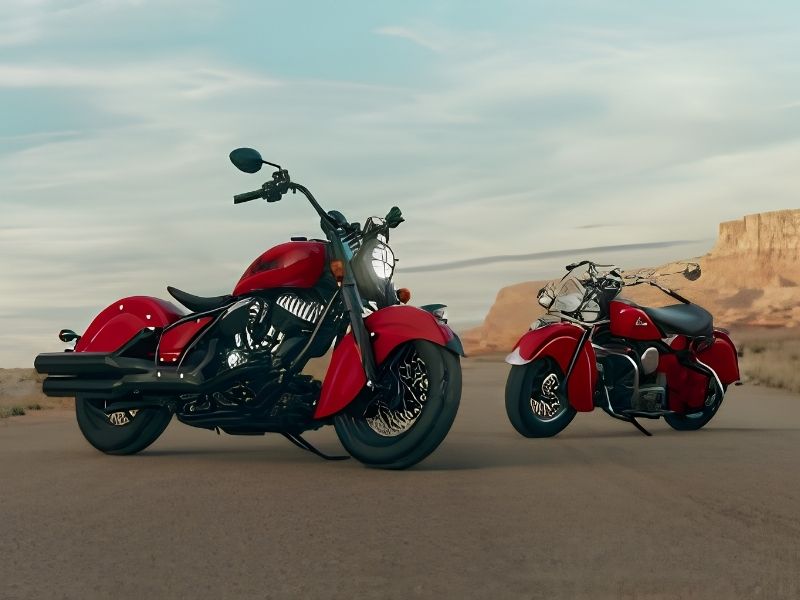
Two red Indian Motorcycles in the middle of the desert.
Photo courtesy of Indian Motorcycle.

By Kevin Weitzel

When Indian Motorcycle was relaunched in 2011 under the stewardship of Polaris Inc., the opportunity seemed enormous. The heavyweight American cruiser market had long been dominated by Harley-Davidson, a company whose visual language, teardrop tanks, blacked-out V-twins, and low-slung silhouettes had become synonymous with the category itself. For Polaris, reviving Indian wasn’t simply about selling motorcycles. It was about reintroducing one of America’s oldest motorcycle marques and offering something visually and culturally different.

At lunch, it felt like they might do exactly that.
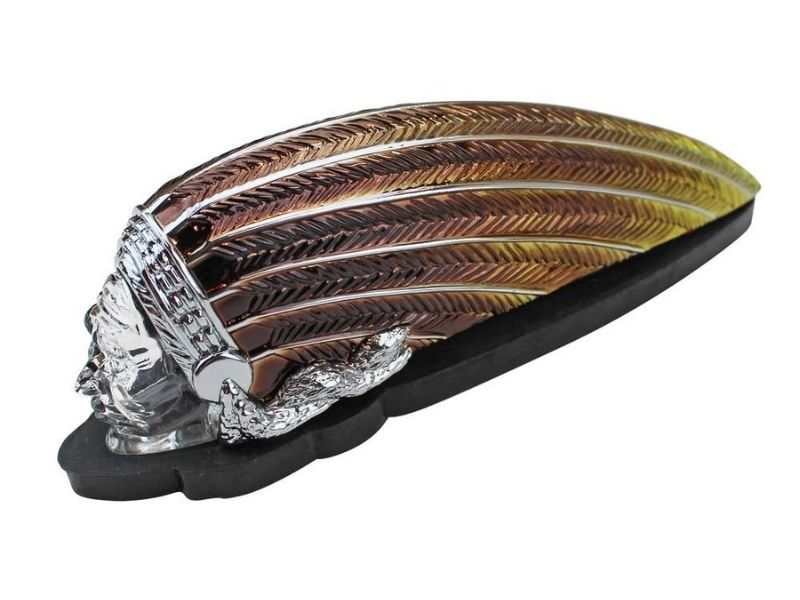
Indian Motorcycles War bonnet.
Featured Accessory: Aeromach War Bonnet LED Fender Light via Billet Proof Design.

Early modern-era models such as the Indian Chief Classic and Indian Chieftain leaned heavily into design elements that made the brand historically recognizable: valanced fenders, prominent war-bonnet styling, deeply skirted bodywork, and flowing lines that looked almost art deco compared to the industrial minimalism common in Harley’s lineup. They were unmistakably Indian. Even at a distance, the bikes carried a silhouette that separated them from Milwaukee’s machines.

For a moment, the strategy seemed clear. Don’t “me too” Harley. Be Indian.

This approach also served a practical purpose. The cruiser and touring market is famously brand-loyal and competing head-on with Harley-Davidson using similar aesthetics is difficult. A distinct design language allowed Indian to appeal to riders who wanted something American but different, as well as those drawn to the brand’s heritage without wanting a visual clone of the dominant player.

But over the next decade, something shifted.

As Indian expanded its lineup, with models like the Indian Scout Bobber, Indian Challenger, and various stripped-down cruiser variants, the design philosophy began to drift. Valanced fenders disappeared from many models. Bodywork became simpler and darker. Blacked-out engines and minimalist styling cues, long associated with Harley’s modern strategy, became common across Indian’s catalog.

Individually, none of these changes were shocking. Motorcycle design trends are evolving, and manufacturers respond to market demand. Collectively, though, they represented a gradual visual convergence with the company Indian once had the chance to stand apart from.
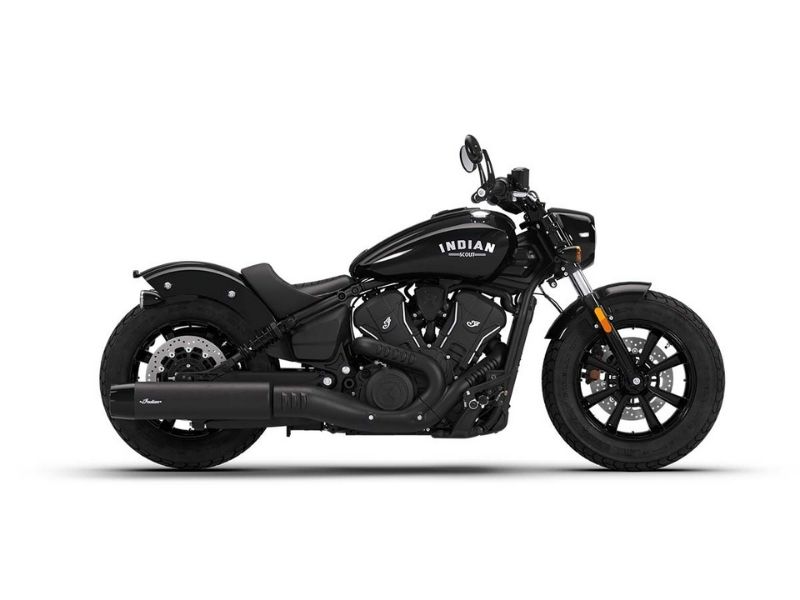
Side View of black indian motorcycle
Photo Courtesy of Indian Motorcycle UK

By the early 2020s, many Indian models, particularly in the midweight cruiser segment, began occupying the same aesthetic territory long defined by Harley’s Harley-Davidson Softail and Harley-Davidson Sportster families: muscular tanks, short fenders, black finishes, and stripped-down silhouettes. The design signatures that once separated Indian from its rival became less consistent across the lineup.

The result is not that Indian motorcycles became bad motorcycles. Far from it. By most technical measures, engines, reliability, and build quality, the modern lineup is strong and competitive. The question is more philosophical than mechanical.

When Indian returned, it carried over a century of history and a visual identity unlike anything else in motorcycling. That heritage gave Polaris a rare opportunity to build a modern American motorcycle brand that did not simply mirror the market leader.

Fifteen years after the relaunch, Indian remains successful, respected, and widely recognized. But the brand that once looked unmistakably different now often blends into the visual language defined by its biggest competitor.

The vision was distinctive.
The launch was bold.
The shift was gradual.

The result, some might argue, is a little more vanilla.

A brand’s visual identity is its most valuable asset until it starts to fade. Don’t let your community’s vision blend into the background. Let Outhouse help you define a look that remains unmistakable.

Explore Rendering Services

Why Your Home Building Brand Needs a Strong Visual Identity

Kevin Weitzel · 10/20/2025 ·

Puzzle with missing piece Denim Marketing logo

Today’s post comes to you from Melissa Walcott, a fantastic industry voice we’re excited to host. For a deeper dive into marketing strategies and consistent, quality content, don’t miss the Denim Marketing blog!

In today’s saturated market, it is often difficult for homebuyers to determine which homebuilder is the best selection. Your marketing strategy can make or break your quarterly sales goals. In a homebuying world complicated by high interest rates, high home prices and market uncertainty, consumers need a brand they can trust and rely on to purchase their first, next or final home.

With a strong visual identity, your homebuilding company will stand out among the competition and be the one buyers return to time and again for this next chapter in their lives, providing them with a sense of security and confidence in their investment.

Brand Recognition

Brand recognition is the most powerful tool in your toolbelt. Homebuyers like to buy from brands they recognize and trust when shopping for their new home. Look at your company’s logo across multiple mediums including signage, website graphics, on-site advertisements, flyers and marketing materials. Is the branding look cohesive? The best way a builder can remain top of mind with buyers currently shopping in the market is to present a recognizable and memorable brand with cohesive colors, fonts and logos. It is even better if your brand is fun.

The instant recognition potential homebuyers experience tells them that you are not another name on the long list of homebuilders but a recognizable name they can trust. This familiarity places your brand at the top of their list throughout their search for the perfect home.

Differentiation

When building your company’s branding guide, it’s essential to add inspiration directly from the product you create! Think about what sets your homes apart from the competition—is it a focus on traditional craftsmanship, modern design or energy efficiency? Your visual identity, from the photographer you use to your color scheme and logo design, all work together to tell a unique story.

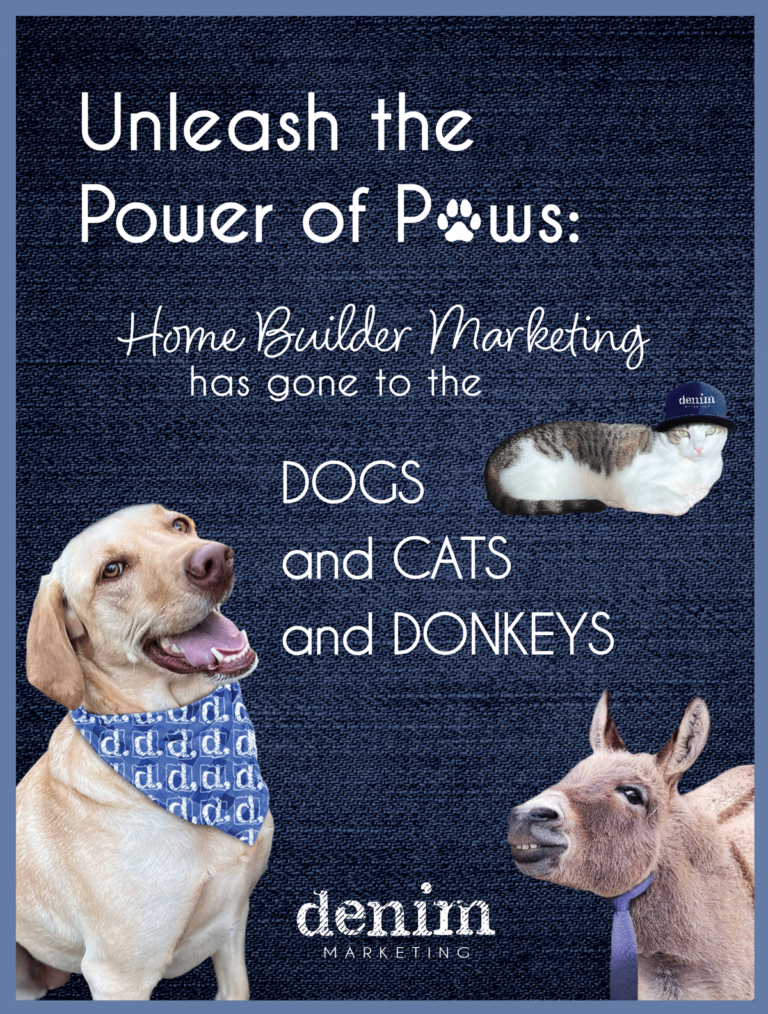
Click here to view the Denim Pets Marketing Guidebook!

Suppose a consumer is searching for a modern, light-filled home. Your website and marketing materials spotlighting open floor plans bathed in natural light will immediately catch their eye!

Trust & Credibility

Your company’s visuals go beyond aesthetics; it is also a surefire way to build trust and credibility. A professional and polished visual brand communicates to the buyer that you are an established builder who pays attention to detail, from design to construction. This instills confidence and assures the prospective homebuyer they are making a sound investment in their dream of homeownership.

Emotional Connection

Visuals evoke emotions and create a deep connection with consumers! High-quality photographs showcasing families sharing a meal in a dream kitchen or hosting a barbecue in a well-designed outdoor living space help buyers imagine the life they could live by purchasing one of your homes. Help homebuyers to spark a powerful emotional connection and envision the lifestyle they are searching for, making them feel engaged and connected.

An image of a new build with branding on it

With a strong brand identity, you’re selling a house and a dream.

Brand Consistency

Finally, a solid visual identity must also show consistency throughout a brand’s appearance during the entire homebuying experience. From the moment the buyer clicks on a Facebook ad to the final walkthrough of their home, they should encounter the same brand identity. This consistency reinforces your brand message and builds trust, guiding them seamlessly through each step of the process.

Need help building a consistent visual brand identity? Denim Marketing can help! Connect with our team today to unlock award-winning expertise and transform your company’s branding from forgettable to show stopping.

Written by Melissa Walcott of Denim Marketing

Originally posted July 17, 2024

More blogs from Melissa

Like Iconic Brands and Well-Designed Homes, Skilled Craft Never Goes Out of Style

Jim Sorgatz · 05/04/2025 ·

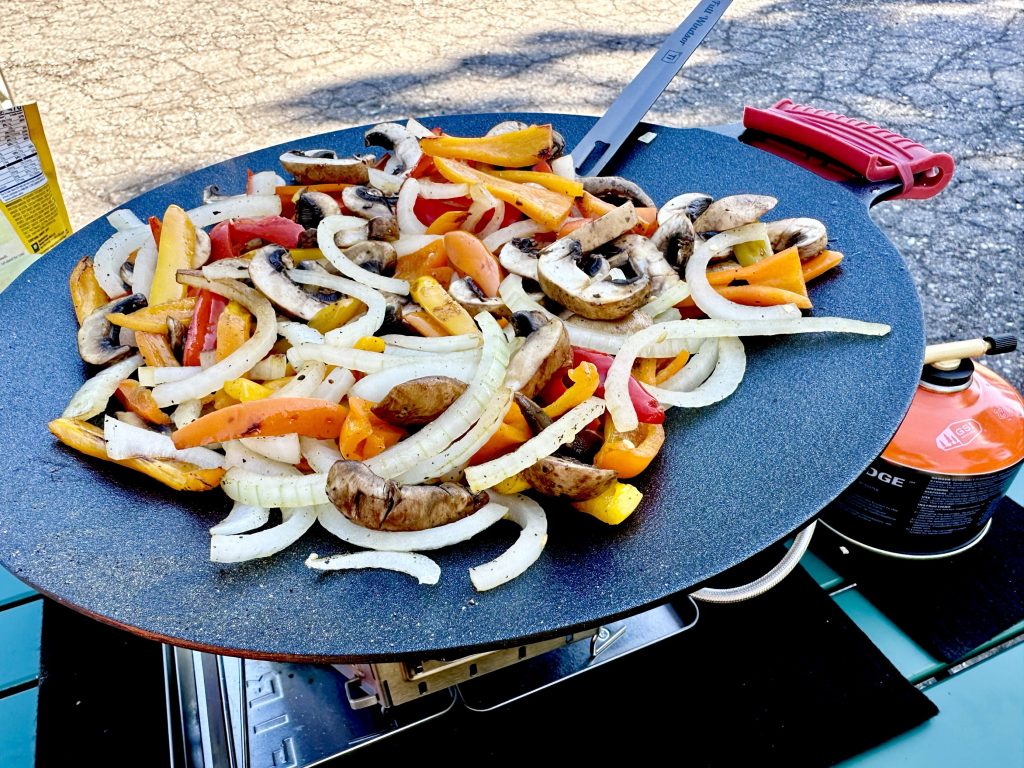
Fajitas cooking on a flat iron skillet.
Bill Gelbaugh brings the same precision and visual appeal to camp cooking that he delivers at Outhouse.

In today’s world of ever-increasing automation, the role of the craftsman may no longer occupy the center stage it once did—say, during the Renaissance—but the need for skilled craft has never gone away. Whether it’s clothing, jewelry, furniture, or homebuilding, there is still something deeply human—and deeply valuable—about a well-built item. A custom home, for example, with thoughtful design elements and finishes shaped to a buyer’s personality, has a presence and soul you can’t replicate with mass production.

My dad was one of those rare craftsmen. He started a one-man remodeling business at the age of 40. While technically his own company, he served just three clients—two prominent Phoenix attorneys and Rex Maughn, the founder of Forever Living Products. Rex owned properties like Mormon Lake Lodge in Flagstaff and Southfork Ranch in Dallas—yes, that Southfork Ranch. These clients didn’t shop around. They didn’t ask for quotes. They trusted my dad implicitly and paid him hourly, not because it was cheaper, but because they knew he’d deliver something unique, beautiful, and lasting. I’ll never forget the time he was asked to saw down the legs of a $10,000 antique table just to make it fit below a window with a view. That level of trust only comes from knowing the person doing the work is a true master of their craft.

Technology and Craftsmanship – A Winning Pair

Here at Outhouse, we still believe in that kind of craftsmanship. Much of our work is technology-driven, but it takes more than software to create the kind of visual clarity, consistency, and brand integrity our clients expect. It takes a trained eye, experience, and people who genuinely care about what they’re making.

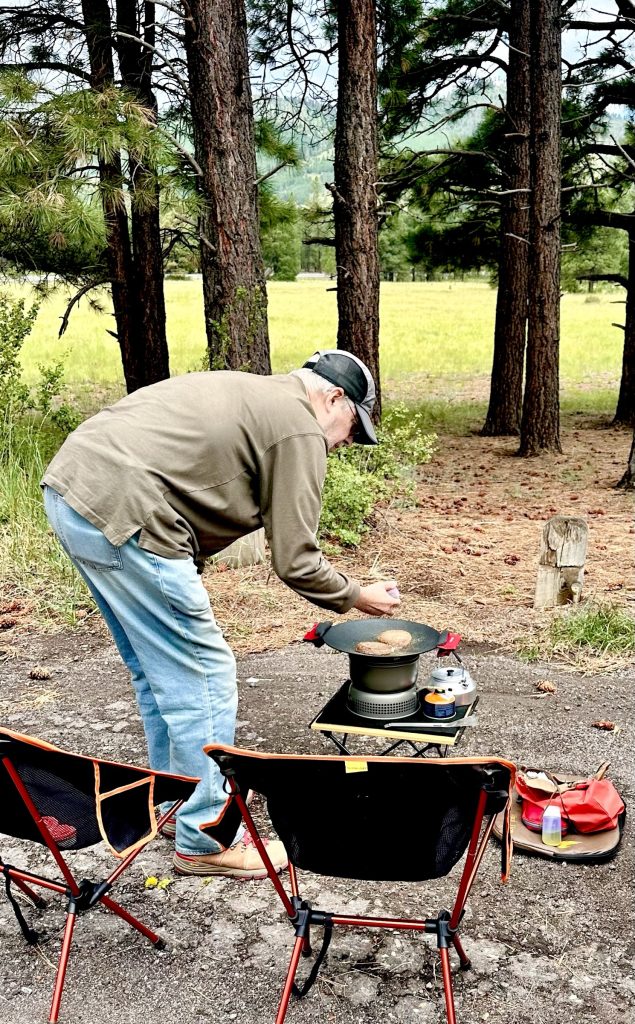
Man in forest leaning over a camp stove
Bill preparing a meal in the Northern Arizona forest.

A Print Department Founded by Craftsmen

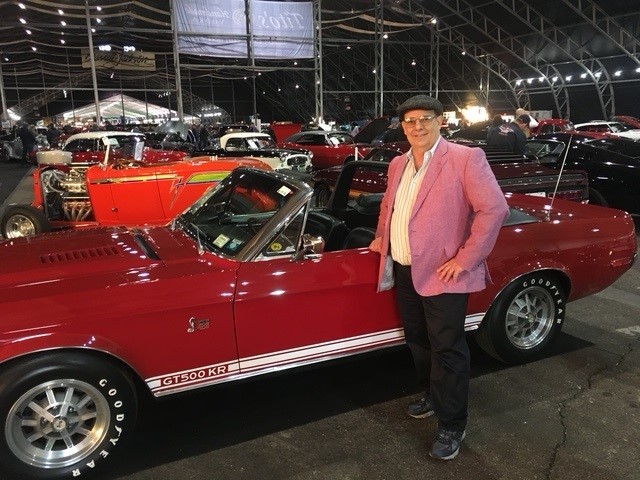
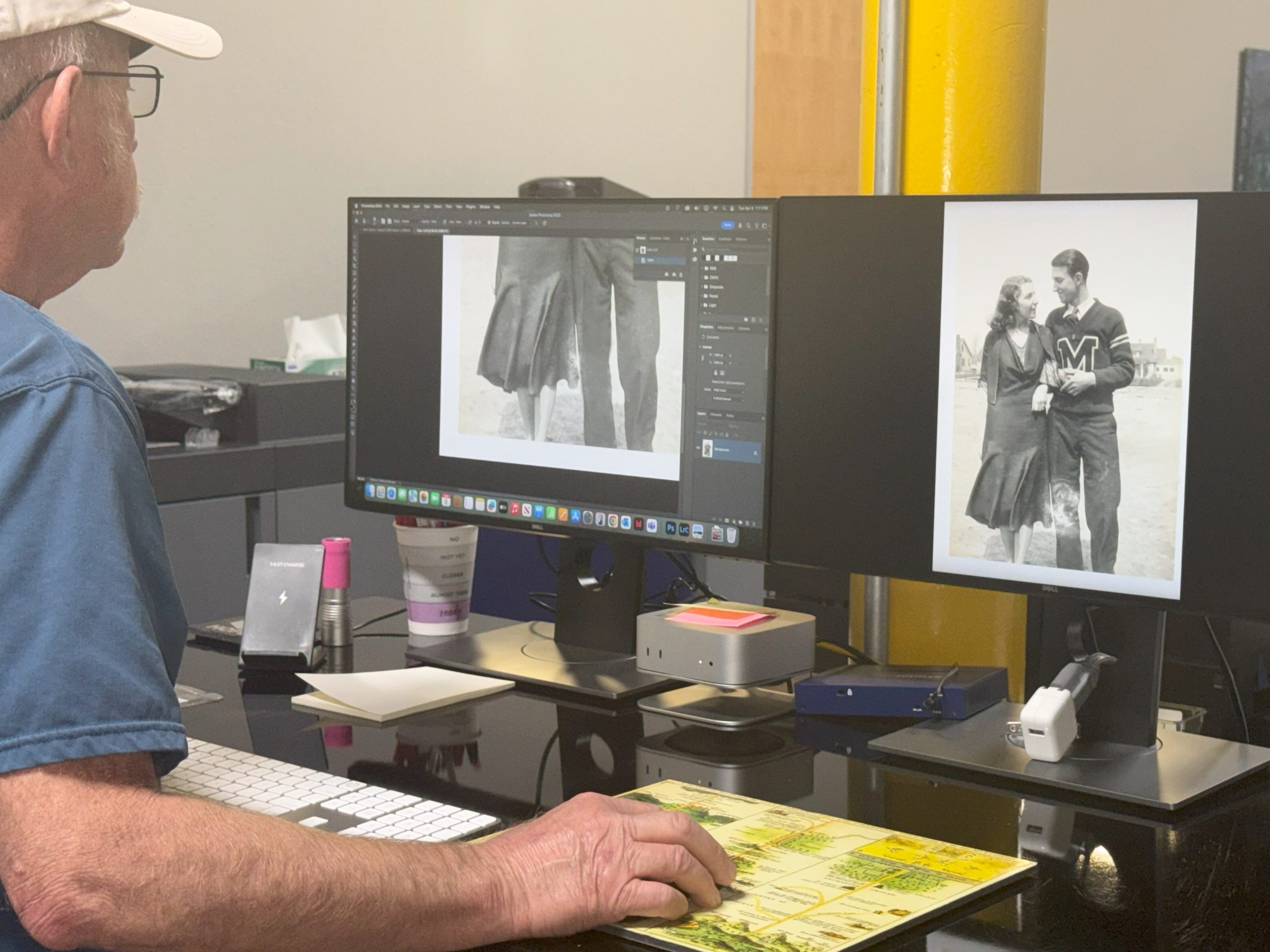
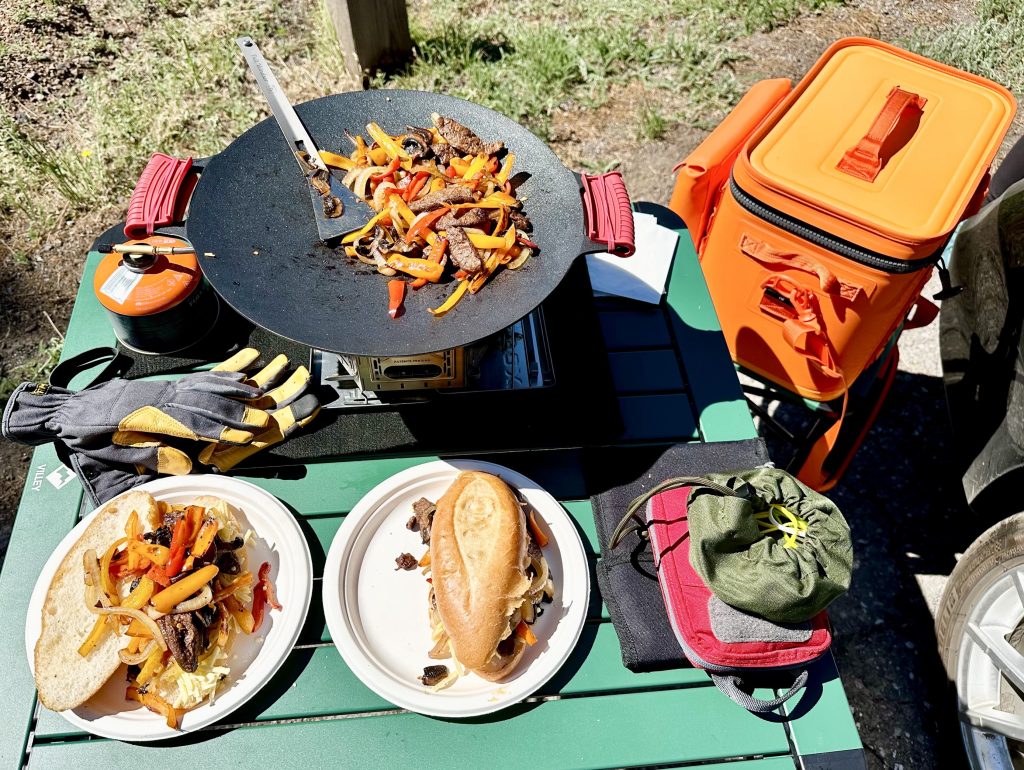
Over thirty years ago, the Outhouse print department was founded by three such people: Bill Gelbaugh, Dorian Boese, and Doug Ills. What they built together wasn’t just a production team—it was a workshop, grounded in artistry, precision, and pride in the finished product. Bill brings a meticulous sensibility to everything he touches, from client branding to color theory to campsite organization. He takes camp cooking next level, creating sumptuous, vibrantly colored vegan meals prepared with bespoke cookware . Doug, a lifelong graphic artist, is also an avid photo restorer who brings old memories back to life with an almost reverent attention to detail. And Dory—well, Dory is a man who appreciates nuance. As a devoted bourbon aficionado, he shares weekly tastings with friends, each pour accompanied by storytelling and quiet discernment. These aren’t just hobbies: they’re reflections of character. Together, the three of them infused Outhouse’s print department with the integrity and intentionality that still defines our work today.

Man sharply dressed in pink blazer  and driving cap next to bright red antique convertible sportscar.
A man with style – Pressroom Manager Dorian Boese at the Barrett-Jackson Auction.

We Elevate Builder Brands

That same care is evident in how we treat your brand’s visual details. Bill, for instance, often catches inconsistencies in logos or brand colors that others miss. He’s been known to zoom in pixel by pixel to ensure a logo prints cleanly on a brochure or displays clearly on a touchscreen. It’s the kind of attention that doesn’t just protect a brand—it elevates it.

man at computer touching up a vintage photo.
Doug Ills restoring a vintage photo

Brand Consistency Is Paramount

And that brings us to a critical point. Brand consistency matters. You may recall a time, a couple of decades ago, when fast-food chains raced to trademark color combinations. Red may dominate the landscape, but it’s the specific hues, pairings, and logo integrations that make each instantly recognizable. Homebuilders are no different. Your brand guidelines: the way your colors appear online, in print, and in your sales environment are essential to how buyers experience your brand. That’s why you need partners who not only understand that but obsess over it.

At Outhouse, our team of visual professionals ensures that your interactive floor plans, site plans, and renderings reflect your brand precisely as designed. Colors are accurate across platforms: website, brochures, signage, and more. Each run of printed material is consistent. Every rendering and virtual tour carry your identity forward with integrity and impact.

An assortment of cookware and food om a pistachio-colored camp table next to an orange-colored ice chest.
A delicious meal prepared in a meticulously curated setting created by Bill.

Proudly Made In the USA

We take pride in that all our digital marketing tools: interactive maps, renderings, virtual tours, kiosks, visualizers, as well as our print collateral and sales center signage are produced by our team right here in the USA. Our home office in Phoenix, AZ houses the print facility that started it all.

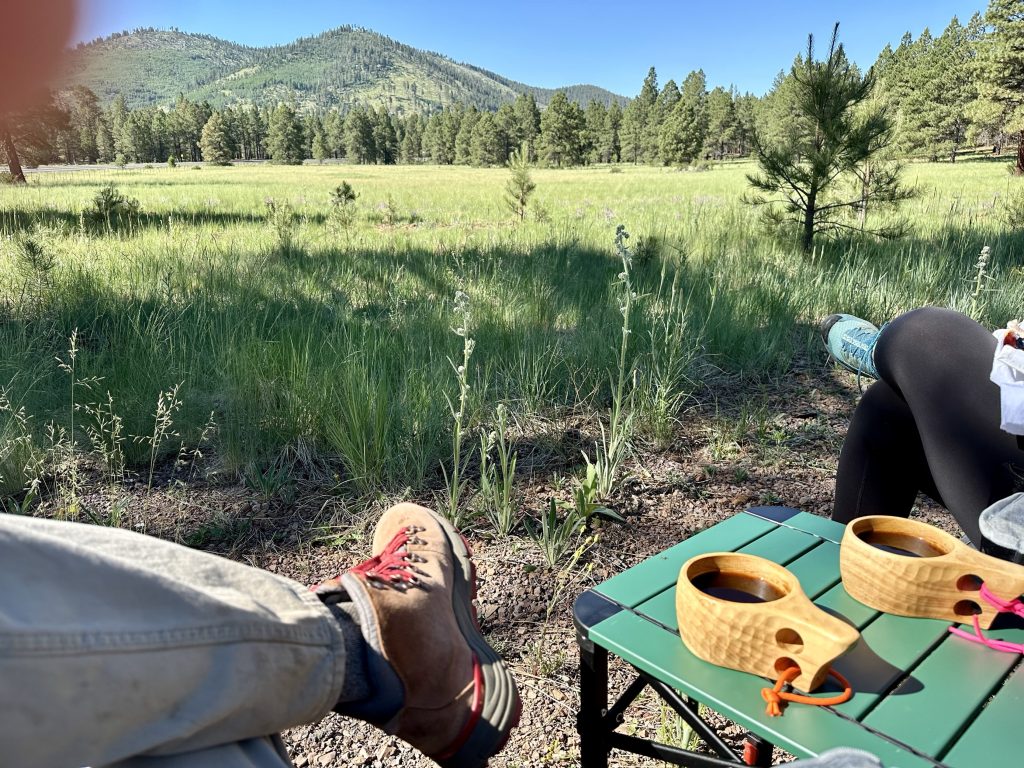
Legs and shoes next to small pistachio-colored camp table with a pair of hand carved coffee mugs.  View of mountains across a field.

Why Interactive Floor Plans are a Must

Stuart Platt · 11/06/2023 · Leave a Comment

From “It’s Neat” to “It’s Needed,” Why IFPs are a Must

Remember in the spring of 2020, when literally no one was out looking at new homes, and home builders finally began going all-in on digital marketing? The big question once the world opened back up was whether or not websites would retain the same level of prominence. That question has been answered, and it is an emphatic “Yes!” Even homebuyers who visit model homes typically conduct a majority of their research online before they ever drive to one of your communities.

What was once a rare luxury on a builders’ website, Interactive Floor Plans (IFP’s) have become an industry expectation. Builders who thought IFP’s were more novelty than a functional sales tool can no longer argue the overwhelming evidence that IFP’s engage buyers, resulting in: 

  • Increased time on their websites. 
  • Increased qualified homebuyer leads. 
  • Increased number of options sold. 
  • Creating positive emotional connections to your plans.  
  • Converting leads to active prospects in a faster timeline.   
Analytics help builders see who their potential buyers are, where they are coming from, the most popular options, and a whole lot more.

Builders also find IFP’s equally as valuable to their sales team as they are to the homebuyer. Why? One reason is that comprehensive IFP’s can answer 80% of the questions your sales staff needs to field. The buyer experience is tremendously better when the simple questions are already answered, allowing the sales team to focus on selling instead of trying to help figure out how furniture will work, how options change square footage and price, “…and why do I lose the casita option when I choose the expanded garage?” 

Picking the right IFP vendor the first time is of the greatest importance.

Not all IFP’s are created equal 

When choosing a vendor to build and host what is arguably your most important online sales tool, in addition to the basics, make sure the platform you select has ALL the following advanced features: 

  • Branding – First and foremost, ensure your IFP’s are skinned and colored to match your website, logo, and corporate colors.
  • Lead Generation – The ability to save a custom plan that not only tracks these leads, but also pushes them to your CRM. 
  • Space-Planning – A detailed furniture library with scalable items for every room, including the garage and outdoor living areas. 
  • Live Updates – Dynamic pricing and square footage so as buyers add options the price and square footage automatically reflect that. 
  • Hot Spots – Clickable icons within your plan allowing buyers to open renderings, photos, videos, virtual reality and any other eye candy to keep them engaged. 
  • Device Agnostic – Regardless of the brand of computer, laptop, tablet or phone, your IFP’s work on ALL of them. 
Today’s homebuyers expect advanced features when designing their homes and planning furniture layouts with an Interactive Floor Plan.

Picking the right IFP vendor from the start is of the greatest importance. Select a company that knows what they are doing because this is not a process you want to go through a second or third time. If you find yourself dissatisfied with your IFP’s (or vendor) after creating them, they can’t simply be transferred to another vendor. You must pay to have them rebuilt from scratch again.

20-years ago Outhouse was one of the first to offer IFP’s to home builders. Our platform continues to deliver the most mature, dependable, feature-rich, engaging user experience in the industry. Our IFPs are designed to incorporate your renderings, virtual tours, visualizers and more, making it easy for homebuyers to engage with all of your digital tools. Click here for an example. In 2023, we also gave our administrative backend a massive upgrade, so your interactive floor plans, interactive site plans, and interactive kiosks are now housed in the sleek, intuitive, new Outhouse Interactive Control Center. Contact us today to learn more

About the Author: Stuart Platt is Managing Partner at Outhouse LLC, an industry leader dedicated to providing an extensive and integrated menu of products and services to production home builders across the world. These services include but are not limited to Architectural Drafting, 3D Renderings, Virtual Tours, Animations, Interactive Floor Plans, Interactive Site Plans, Interactive Sales Office Displays, Interior and Exterior Visualizers, Graphic Design, Commercial Printing, and more. Outhouse is the ONLY company in the nation providing all of these services in house.

Join Stuart Platt at the Home Builder Digital Marketing Summit this October 23-24th! He’ll be diving deep into the strategies discussed in this blog, sharing insights on how to create an online experience that resonates with potential buyers on an emotional level. Don’t miss this opportunity to connect with Stuart and other industry leaders to elevate your digital marketing game.

Ready to get started, want more info?

Contact Us
  • Facebook
  • Instagram
  • LinkedIn
  • YouTube

Outhouse

11048 N 23rd Ave #103
Phoenix, AZ 85029

602-371-4394

© 2026 All rights reserved