• Skip to primary navigation
  • Skip to main content
Outhouse logo

Outhouse

The Outsource Hub for Home Builders

  • Home
  • Products & Services
    • Architectural/CAD
    • Rendering
    • Virtual Reality
    • Interactive Floor Plans
    • Interactive Site Maps
    • Interactive Kiosks
    • Print Marketing
    • Sales Office Displays
  • Partners
  • News
    • Events
    • Blog
    • Podcast
  • About Us
  • Contact Us
  • Show Search
Hide Search

OutThink

Know Your Homebuyer Audience

Jim Sorgatz · 06/30/2025 · Leave a Comment

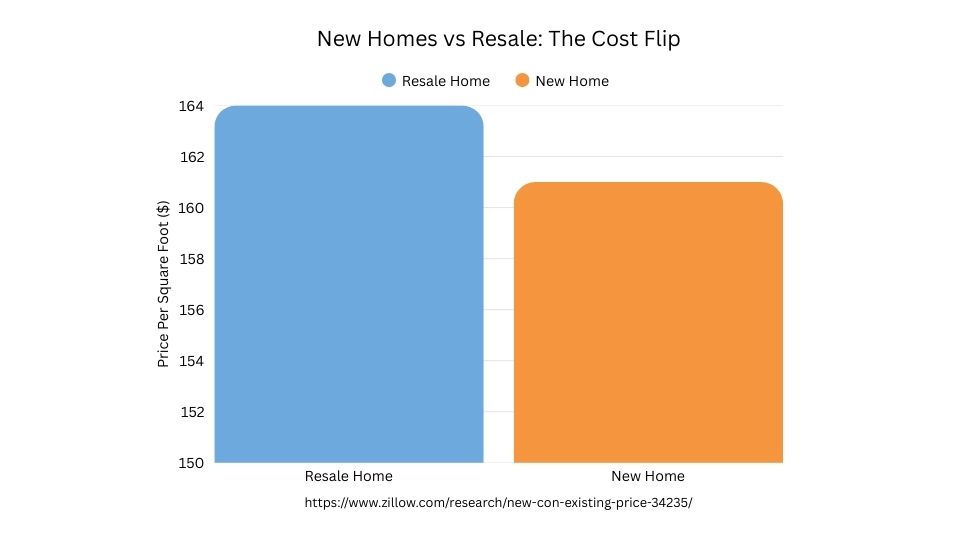
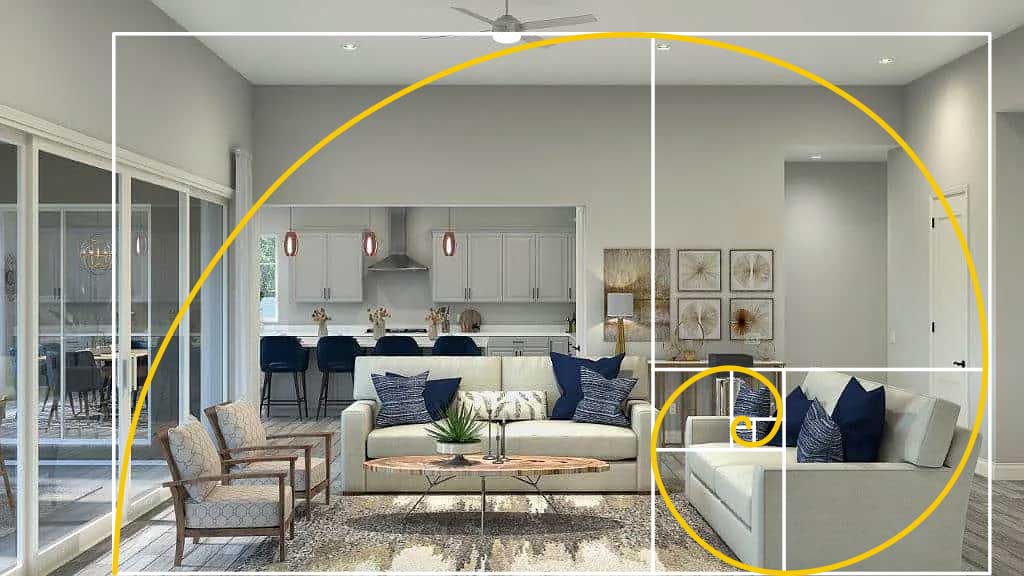
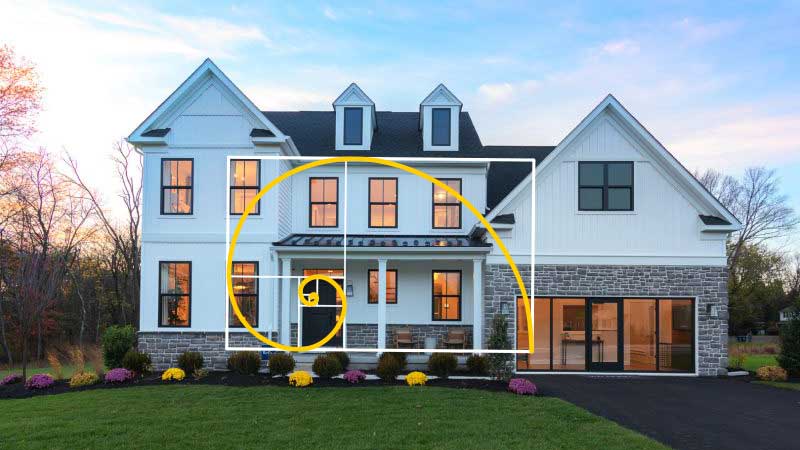
Are you surprised by new home construction trends in your own city?

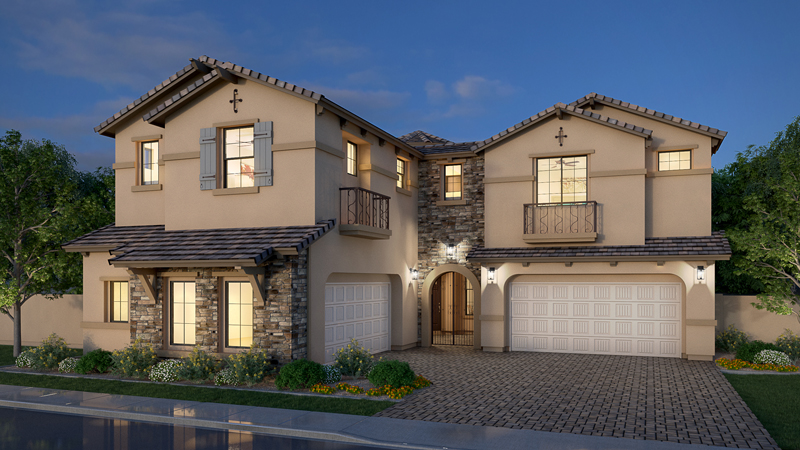
Guess which house is the newbie?!

Having been in the industry for nearly 30 years, it is not often that I am surprised by trends in new home construction. The goal is to sell to anyone who financially qualifies. But, I had to laugh when I saw the email announcing the New American Home that is being built for the 2026 NAHB International Builders Show. It has basement space for up to 17 cars! I’ve known a number of people over the years with impressive car collections, but how wide is the audience that has more than a dozen?

In these times of elevated interest rates and sky high home prices there is much buzz about affordability, which theoretically implies to smaller homes. So, I am shocked to see the newest homes being constructed in my “affordable” neighborhood are 50%+ larger and significantly more expensive than my home that was built in the fall of 2022. The families shopping for homes right now are, apparently, looking for space, and they have the means to afford a bigger house. I guess that makes sense. Although there are genuine efforts by cities and builders to create affordable housing, the median price of $409,000 nationally per Zillow (down from $430K last year), doesn’t offer many options for typical first-time homebuyers, or families looking to move up a rung. This “affordability” paradox hammers home the importance of knowing your core audience, building for them, and marketing to them appropriately.
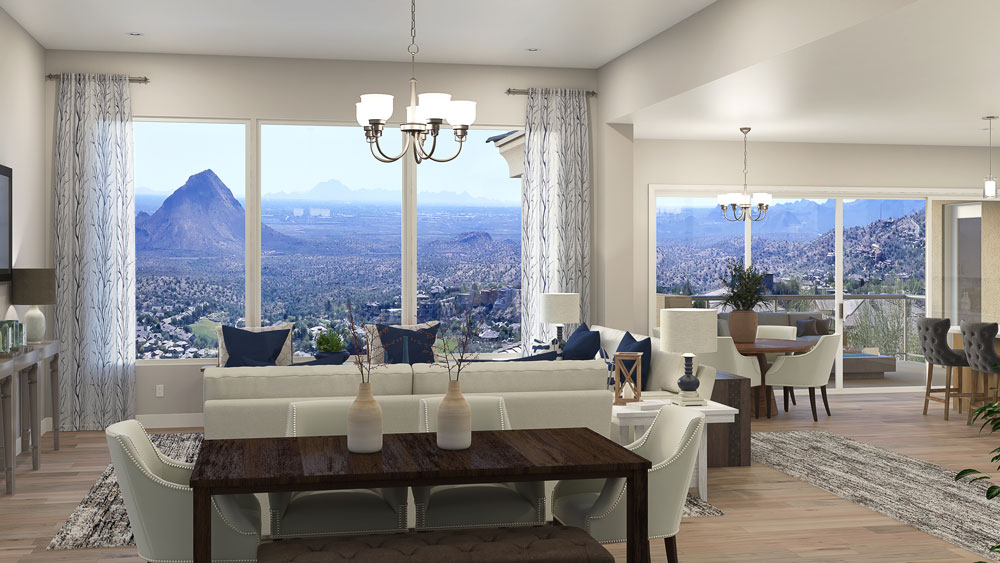
There are many builders who do this well and adapt to the changing environment. One example is Arizona based Meritage Homes whose mission today is, “To design and build homes that are innovative, built with care and superior craftsmanship, which deliver enduring value.” Contrast that with their mission a few years back, “To build move-in-ready affordable homes for entry-level and first move-up buyers,” and you can see the evolution to better reflect the current new home market.

Another builder to successfully navigate trends is Scottsdale-based luxury builder Camelot Homes who have retooled home designs and marketing from an elegant old world look and feel to a vibe that is much more contemporary to attract younger yet still well-heeled homebuyers.

How can you be sure you are targeting the right audience? Begin with a review of your overall marketing strategy. Do your website, sales offices, and print marketing appeal to the potential buyers you are attempting to attract? Although first-time and luxury home buyers are both seeking out their dream homes, the marketing for these two distinct groups looks very different. This is where consultation with marketing experts like Blue Tangerine, Denim Marketing, Group Two, Bokka Group, and Meredith Communications, to name a few, can be highly beneficial.      

Next, review your digital marketing tools, and upgrade them if necessary. If you are still using static floorplans and stick renderings, think again. Interactive floor plans, 3D renderings, virtual tours, animations, and visualizers all play an integral role in engaging homebuyers and selling homes.

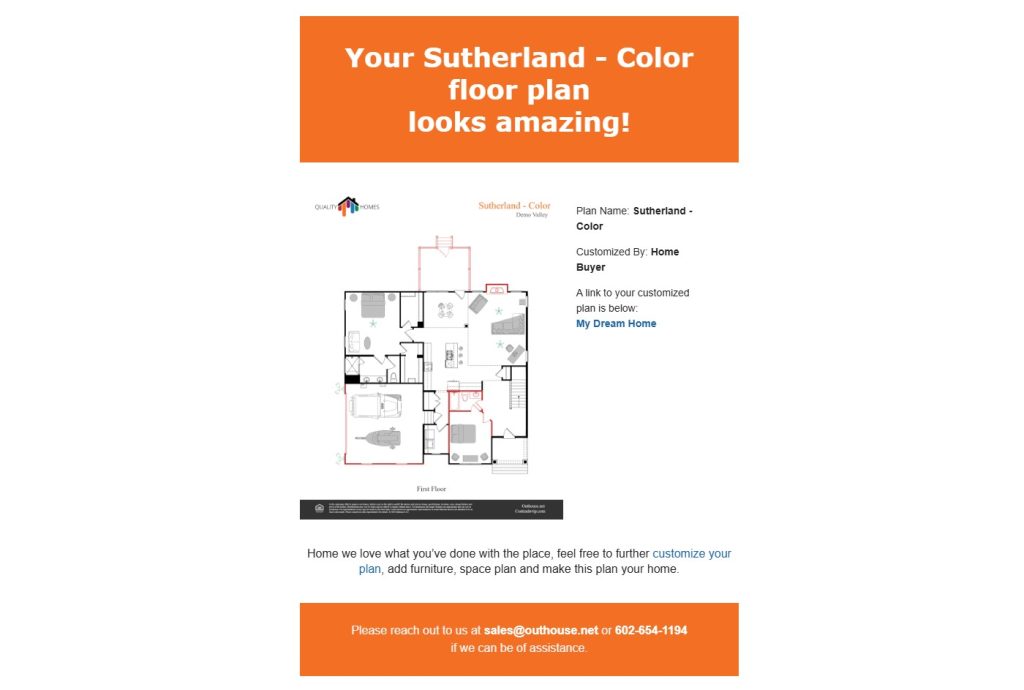
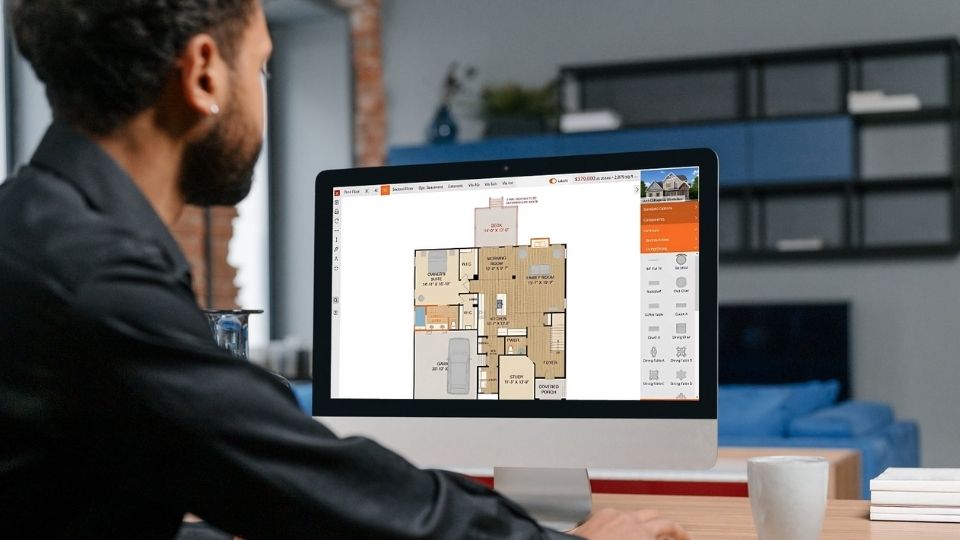
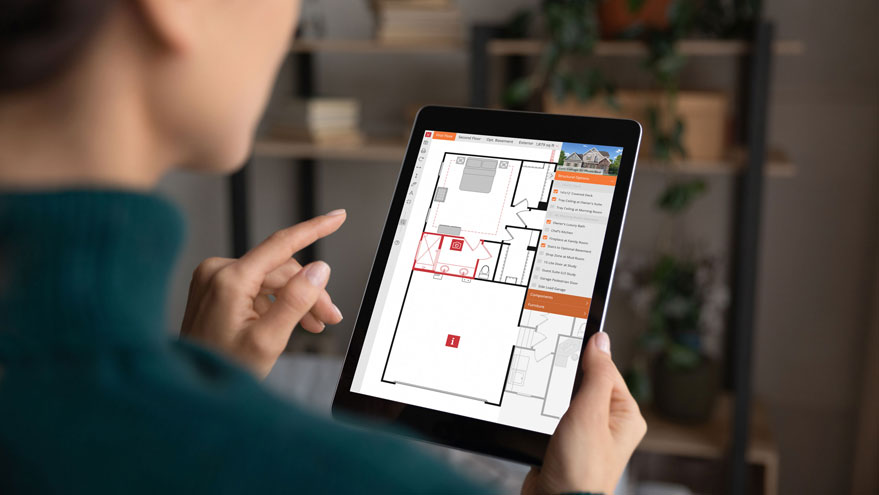
Interactive Floor Plans (IFPs) have universal appeal, and every builder website should feature them. Buyers of all demographics love to select structural options and customize their living spaces with the interactive furniture planner. 

Interactive floor plan with furniture.
Outhouse’s colorized Interactive Floor Plan

Quality 3D renderings are essential for all builders as well. Black and white stick drawings are never a good option, even for the simplest of homes. Standard 3D (Outhouse Bronze and Silver) renderings are perfectly acceptable for most homes, especially those at lower price points. For move-up and luxury homes, you may want to consider 3D photoreal renderings (Outhouse Gold). Luxury and custom builders may want to opt for Platinum renderings that can be further customized.

Should your budget for digital marketing tools be a bit larger, investing in animations and virtual tours pays off in two significant ways. First, they enable homebuyers to digitally explore your homes from anywhere. Second, both are available at a fraction of the cost of constructing a model home. Your target buyer should be the top consideration when choosing which format to offer. Younger buyers prefer user-controlled virtual tours. Buyers over 50 often gravitate towards video format animations.

Visualizer showing a before and after kitchen
Visualizer’s allow home buyers to customize interiors and exteriors

Another online tool appealing to home buyers at all price points is the Visualizer. With both interior and exterior versions available, buyers can mix and match colors and finishes to achieve the desired look and feel. The visualization process is so much easier than making selections for an entire house based on one-inch paint chips and tiny floor, counter, and cabinet samples. It also removes some of the pressure and stress from the design center visit.

Here are a couple more ideas to help you connect with your appropriate audience:

Elevate your brand with distinguished print marketing. Consider the hotel industry when investing in print—the swankier the property, the more excellent the print collateral. The manager of the high-end hotel presents you with a “folio” at checkout in lieu of a bill. Although print appeals greatly to buyers in the luxury home market, even younger homebuyers like to walk away from the sales center with a brochure featuring their preferred floor plan and elevations, at a minimum. In today’s digital world, consumers still appreciate a tangible marketing piece when making one of their biggest life purchases. Why not present them with something sophisticated or fun, and memorable?         

Printed brochure showing families participating in various activities
A great print piece makes a lasting impression!

Today, the most progressive builders are transforming their websites with artificial intelligence (AI) to better understand and target their audience. Like that provided by openhouse.ai, AI offers home buyers a personalized shopping experience and predicts where your unique market is going with more accuracy.

So take some time during this evolving housing market to understand your homebuyer and determine if your current marketing strategy is meeting their needs. If not, consider working with online marketing experts to determine which digital and on-site tools will move the needle most with your target audience to increase your new home sales.   

Great Home Builder Social Media Accounts and Posts

Tabitha Warren · 06/16/2025 ·

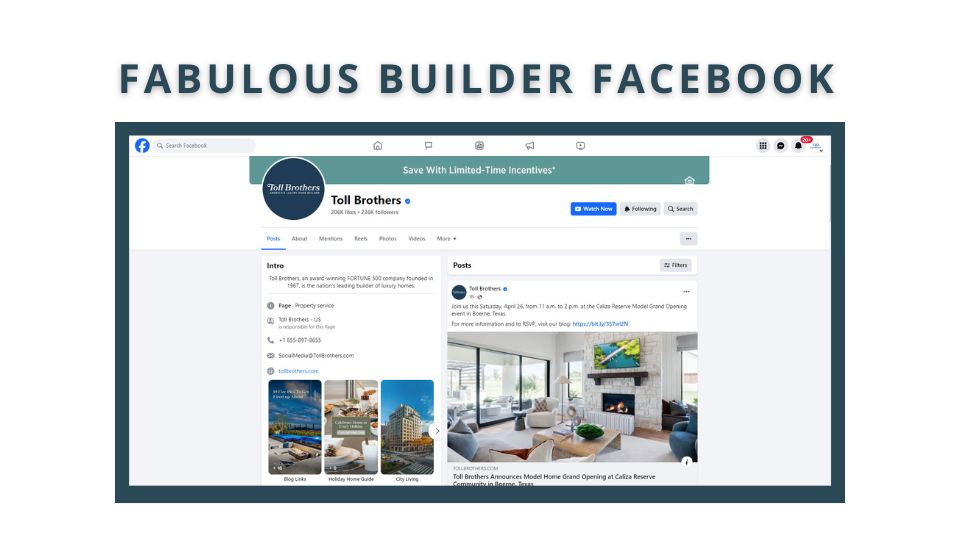
Image of Toll Brothers Facebook page

In reply to a recent blog, a reader wrote into us and asked us for a few examples of great home builder social media. First, we were flattered to be asked this question, and we are happy to give our opinion. If you’d like expert advice, you might want to check out this post by Carol Morgan and this podcast featuring Carol Morgan. I think many of us are always trying to keep current. We read the blogs of several amazing Home Builder Marketers, such as Denim Marketing, Bokka Group, and Meredith Communications, to stay current ourselves. What we’ve learned at Outhouse is that there are quite a few things that make home builder social media great and inspiring at different levels.

The bottom line is a strong social media presence is a crucial tool for brand building, lead generation, and fostering connections with potential homeowners. After years of scouting social media, there are some home builders and related personalities who are truly knocking it out of the park with their engaging and high-performing accounts.

Whether you’re a home builder looking for inspiration or a prospective homeowner wanting to see what’s out there, these examples showcase the power of a well-crafted social media strategy in the home building industry.

Home Building Companies with a Powerful Platform Presence

Larger home building companies are also leveraging social media to showcase their homes, communities, and connect with potential buyers. Here are a few examples of companies that consistently demonstrate a strong platform presence:

  • Abrazo Homes (@abrazohomes): Known for their dynamic social media presence across various platforms like Facebook, Abrazo Homes consistently shares engaging content that resonates with their audience. Their commitment to storytelling is clearly a key to their success. In fact, you can hear directly from their “Chief Story Teller,” Shane Austin, in this insightful episode of the Home Builder Digital Marketing Podcast.**
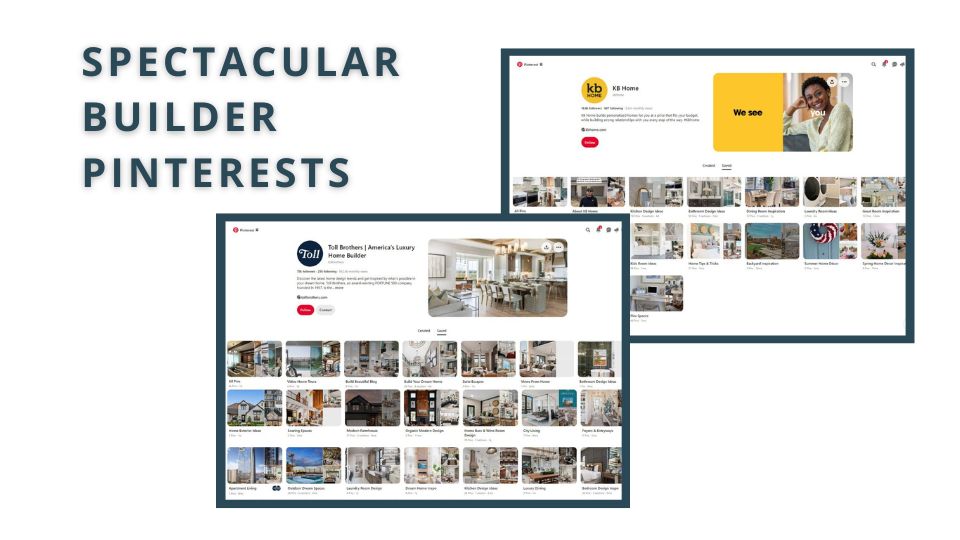
  • Toll Brothers (@tollbrothers): Known for their luxurious homes, Toll Brothers excels on Instagram with stunning, high-quality visuals of their properties and sophisticated design elements. Their Pinterest presence is also noteworthy, offering a wealth of aspirational home inspiration. You can find their well-organized Facebook page here.
  • Lennar (@lennar): As one of the nation’s largest home builders, Lennar maintains a significant following across platforms like Facebook, Instagram, and Pinterest. They effectively use these channels to showcase their diverse range of home models, highlight community features, and share updates with their audience.
  • David Weekley Homes (@davidweekleyhomes): Historically recognized for their strong Instagram presence, David Weekley Homes consistently shares beautiful, high-quality photographs of their thoughtfully designed homes. Their visual content often emphasizes architectural details and inviting living spaces.
  • Meritage Homes (@meritagehomes): Meritage Homes stands out for its engaging and varied content on Facebook. They effectively blend community updates, customer stories, and behind-the-scenes glimpses into their building processes, creating a well-rounded online presence.
  • KB Home (@kbhome): KB Home frequently utilizes Facebook to share important updates, company news, and valuable customer success stories. They also provide helpful home buying tips and resources, positioning themselves as a knowledgeable partner in the homeownership journey.

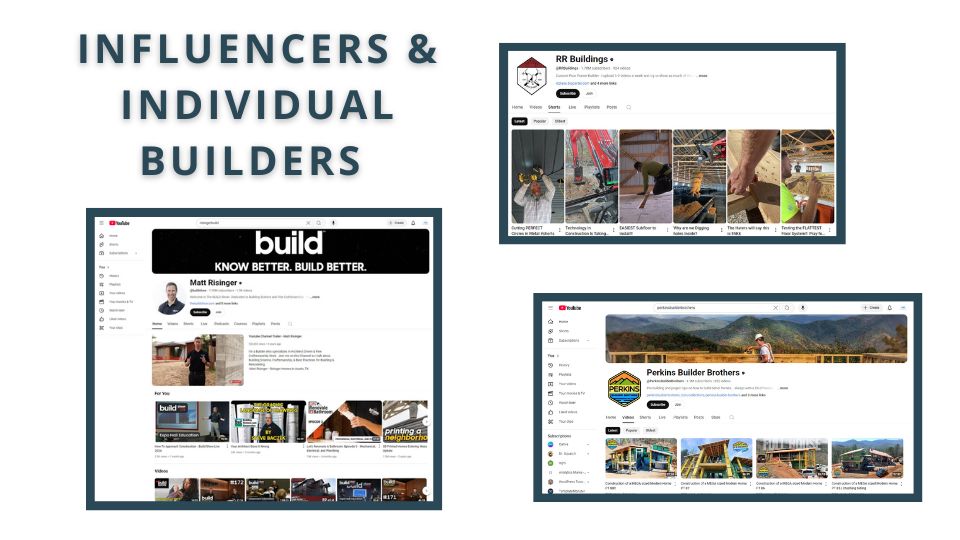
Individual Builders and Influencers Setting the Standard

Image of Matt Risinger's, RR Buildings', and Perkings Builder Brother's YouTube accounts

Sometimes, the most compelling stories come directly from the individuals shaping the industry. These builders and influencers have cultivated strong followings by sharing their expertise, passion, and behind-the-scenes glimpses into the world of construction and renovation:

  • Matt Risinger (@risingerbuild): If you’re interested in the science behind high-performance building, look no further than Matt Risinger. His Instagram account and incredibly popular YouTube channel, “The Build Show,” are treasure troves of information on building science principles, meticulous craftsmanship, and the latest construction technologies. Expect in-depth explanations, on-site demonstrations, and a focus on quality and durability.
  • Kyle Stympenhorst / RR Buildings (@rrb_buildings): Specializing in post-frame construction, Kyle’s presence across YouTube, Instagram, and Facebook offers a deep dive into this specific building method. His content is often practical, providing valuable tips and insights for those interested in or involved in post-frame projects.
  • Perkins Builder Brothers (@perkinsbuilderbrothers): Get a genuine behind-the-scenes look at home building and renovation projects with the Perkins Builder Brothers. Their engaging “Builder Brothers” series on YouTube, Instagram, and Facebook provides a relatable and often entertaining perspective on the challenges and triumphs of construction.

What Makes Their Social Media Shine?

These high-performing accounts share several key characteristics that contribute to their success:

  • Stunning Visuals: They understand the importance of high-quality photography and videography to showcase the beauty and craftsmanship of their homes.
  • Consistent Engagement: Regular posting keeps their audience interested and coming back for more.
  • Diverse Content: They go beyond just showcasing homes, offering project updates, behind-the-scenes peeks, client testimonials, and informative tips.
  • Active Interaction: They actively respond to comments, answer questions, and foster a sense of community among their followers.
  • Platform Optimization: They tailor their content to suit the strengths of each platform. These builders use visuals on Instagram and Pinterest, community on Facebook, and in-depth videos on YouTube.
  • Strategic Use of Hashtags: They utilize relevant keywords to increase the discoverability of their content.
  • Compelling Storytelling: They connect with potential buyers on an emotional level by sharing the journey of building a home and highlighting the benefits of homeownership.

Staying Ahead of the Curve

The world of social media is constantly changing and evolving. To find the most current top performers, it’s always a good idea to explore these platforms yourself and see which accounts are generating the most engagement on their recent posts. Keep an eye on those with high levels of likes, comments, and shares. These metrics are often indicators of a strong and active audience.

By studying these successful examples, home builders can gain valuable insights into creating their own compelling social media strategies and connecting with their target audience in meaningful ways.

**Shane Austin has since moved on from a brilliant career at Abrazo Homes, but his thoughts and wisdom still ring very true.

Got questions about home builder digital assets? Call us today for a chat!

Contact Us

Dip Toes or Dive In? The Case for Going All-In On Digital Marketing

Jim Sorgatz · 06/01/2025 ·

Lady diving into a pool with Kitchen image in the background

A phrase we frequently hear following a demo of our digital marketing tools is, “We’d like to dip our toes in the water.” While this may be a good idea in some instances, say testing the water temperature before stepping into a hot shower, it doesn’t make sense when it comes to your website.

In today’s technology-driven world, your website is the front door to your business. So it is imperative to have one that is attractive, cohesive, easy to navigate, and COMPLETE. With many smaller builders competing in markets dominated by big public builders, professionalism is critical. So, if your website still mainly features black and white drawings and you are gradually replacing them with 3D renderings from random providers, and/or photos of built homes taken with a cell phone, you may want to reconsider that process. Black and white stick renderings captivate no one, and photos, unless professionally shot like ones by Chad Davies, rarely do your homes justice, especially when new landscaping consists of a few small shrubs and twigs for trees. Buyers are looking for their dream home, not one that screams, “weekend projects ahead!”

3D photoreal rendering. Nothing says “dream home” more than a sultry in dusk shot.

Think Like the Big Builders

To see what homebuyers expect when they visit your website, it pays to look at what the bigger builders are doing. A few of the top sites like Toll Brothers and Taylor Morrison include an abundance of professionally shot photographs and videos to create visual interest, meanwhile the individual model pages feature 3D photoreal renderings for consistency. Their sites also include interactive floor plans allowing potential homebuyers to select structural options and oftentimes space plan with a furniture planner.

The top digital lead generator: An Interactive floor plan with elevation previews and furniture planner.

The Small Builder Advantage

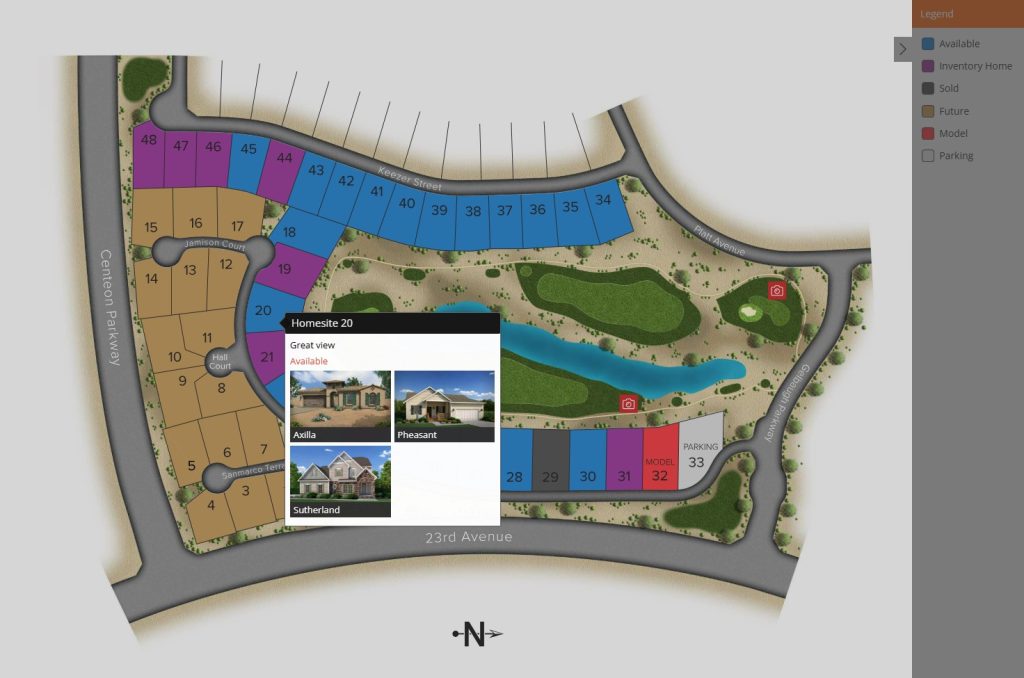
Where you can stand out from the big guys is by personalizing and streamlining. Even the most thoughtful big builder sites are rather convoluted due to an excess of homes and communities. With fewer homes to showcase, smaller builders have a distinct advantage. Professional renderings and virtual tours need not break the bank, and they allow homebuyers to explore your homes from anywhere in the world.

View of desert valley from living room of a home on a hill
Still image taken from a virtual tour. The view outside the windows is real.

Smaller inventory encourages deeper exploration of your models, especially when they feature engaging virtual tours, visualizers, and interactive floor plans. And studies show the more time spent customizing a home with digital tools, the more likely the prospect is to purchase that home.

The Best Time to Upgrade a Website is…

NOW is the perfect time to add digital assets or make other upgrades to your website. Yes, the market is down and budgets are stretched, but we know housing will come roaring back at some point – it always does – and builders need to be prepared. Website upgrades also have a small price tag compared to other marketing ventures like building a model home, or even TV ads. So, take some time during this downturn to be thoughtful, strategic, and intentional about website upgrades that will attract homebuyers and generate solid leads as the housing market begins to turn.

Laying Out The Welcome Mat

In summary, as your website is your online front door, be sure to lay out the welcome mat. Draw in prospects with a clean, easy to navigate site, with stimulating imagery and engaging interactive tools. Remember, consistency is critical. Get all renderings from the same provider. Ditto for interactive floor plans. Better yet, use the same vendor for all digital marketing assets for peace of mind and the best results. Hence the reason Outhouse offers CAD services . For all-in clients, assets are automatically updated across all digital product lines when a change is made in the CAD files. This not only ensures accuracy and consistency, but also reduces costs. And, finally, check out big builder sites for inspiration, but be sure to keep an open mind on ways to make your site easier to navigate and more compelling.

Build It & Post It

Tabitha Warren · 05/19/2025 ·

Traditional listing vs tiktok homebuilder search

TikTok is Now Essential Marketing for Homebuilders

If you think TikTok is just for teenagers, think again. It’s rapidly evolving into a powerful search and discovery engine, and yes, that includes finding new homes. Consider this foundational statistic highlighted by Atlas RTX: “84% of home buyers use the internet as their primary research tool…” In today’s digital landscape, TikTok represents a significant and growing slice of that online activity, particularly for demographics crucial to the future of homebuilding. For builders aiming to connect with modern buyers, establishing a presence on TikTok isn’t just a novelty; it’s becoming a strategic marketing imperative.

Showcasing Properties in a New, Dynamic Light

Static photos and full-length virtual tours have their place, but TikTok’s short-form video format demands a different approach – one that can be incredibly effective for showcasing homes. Builders are using engaging, fast-paced videos to:

  • Offer Quick Walkthroughs: Highlighting key areas and features in under 60 seconds.
  • Spotlight Unique Selling Points: Zeroing in on a stunning kitchen island, a spa-like bathroom, or energy-efficient windows.
  • Use Trending Sounds & Styles: Making property tours feel current, relatable, and shareable.
  • Tell Visual Stories: Capturing the feeling of living in the space, not just the dimensions.

This dynamic format grabs attention quickly and allows builders to convey personality and key features in a way traditional marketing often struggles to match.

Reaching the Next Generation (and Current Buyers Too)

While TikTok initially gained fame with Gen Z, its user base has significantly broadened. Millennials, now the largest cohort of home buyers, are active on the platform, as are increasing numbers of Gen X. Builders can use TikTok to:

  • Build Brand Awareness Early: Connect with potential buyers long before they are actively searching.
  • Target Specific Demographics: Utilize TikTok’s algorithm and ad tools to reach relevant audiences in specific locations or with particular interests (e.g., first-time buyers, eco-conscious consumers).
  • Humanize the Brand: Show the faces behind the company, share construction progress, and create a more relatable image.

Leveraging Trends and Influencers

Smart builders on TikTok don’t just post, they participate. This means:

  • Highlighting Trendy Features: If home offices are trending, showcase your best office spaces. If outdoor living is hot, feature your patios and decks.
  • Engaging with Comments: Answer questions and interact with potential leads directly on the platform.
  • Considering Influencer Collaborations: Partnering with local home decor or lifestyle influencers can expose a builder’s projects to a large, engaged, and relevant audience, generating buzz and credibility.
Construction workers doing their jobs. One man on a ladder, woman putting her gear on
Behind the Scene images courtesy of Canva Pro

Building Community and Trust Beyond the Sale

TikTok offers builders a unique channel to build relationships, not just generate leads. Sharing behind-the-scenes glimpses of the construction process, introducing the build team, offering quick home maintenance tips, or answering frequently asked questions in a casual video format can foster trust and community around the brand. This authenticity resonates with modern consumers.

Log In or Lose Out

The way people discover, and research homes is evolving rapidly. TikTok is no longer a fringe platform but a major player in the online attention economy. Homebuilders who embrace it, mastering its unique style and leveraging its reach, are positioning themselves to connect effectively with today’s buyers. Those who ignore it risk becoming invisible on a channel where their future customers are increasingly spending their time. In the current market, being active and strategic on TikTok isn’t just marketing; it’s essential business development.

Need help with digital assets for your website to use in your home builder marketing?

Contact Us

Like Iconic Brands and Well-Designed Homes, Skilled Craft Never Goes Out of Style

Jim Sorgatz · 05/04/2025 ·

Fajitas cooking on a flat iron skillet.
Bill Gelbaugh brings the same precision and visual appeal to camp cooking that he delivers at Outhouse.

In today’s world of ever-increasing automation, the role of the craftsman may no longer occupy the center stage it once did—say, during the Renaissance—but the need for skilled craft has never gone away. Whether it’s clothing, jewelry, furniture, or homebuilding, there is still something deeply human—and deeply valuable—about a well-built item. A custom home, for example, with thoughtful design elements and finishes shaped to a buyer’s personality, has a presence and soul you can’t replicate with mass production.

My dad was one of those rare craftsmen. He started a one-man remodeling business at the age of 40. While technically his own company, he served just three clients—two prominent Phoenix attorneys and Rex Maughn, the founder of Forever Living Products. Rex owned properties like Mormon Lake Lodge in Flagstaff and Southfork Ranch in Dallas—yes, that Southfork Ranch. These clients didn’t shop around. They didn’t ask for quotes. They trusted my dad implicitly and paid him hourly, not because it was cheaper, but because they knew he’d deliver something unique, beautiful, and lasting. I’ll never forget the time he was asked to saw down the legs of a $10,000 antique table just to make it fit below a window with a view. That level of trust only comes from knowing the person doing the work is a true master of their craft.

Technology and Craftsmanship – A Winning Pair

Here at Outhouse, we still believe in that kind of craftsmanship. Much of our work is technology-driven, but it takes more than software to create the kind of visual clarity, consistency, and brand integrity our clients expect. It takes a trained eye, experience, and people who genuinely care about what they’re making.

Man in forest leaning over a camp stove
Bill preparing a meal in the Northern Arizona forest.

A Print Department Founded by Craftsmen

Over thirty years ago, the Outhouse print department was founded by three such people: Bill Gelbaugh, Dorian Boese, and Doug Ills. What they built together wasn’t just a production team—it was a workshop, grounded in artistry, precision, and pride in the finished product. Bill brings a meticulous sensibility to everything he touches, from client branding to color theory to campsite organization. He takes camp cooking next level, creating sumptuous, vibrantly colored vegan meals prepared with bespoke cookware . Doug, a lifelong graphic artist, is also an avid photo restorer who brings old memories back to life with an almost reverent attention to detail. And Dory—well, Dory is a man who appreciates nuance. As a devoted bourbon aficionado, he shares weekly tastings with friends, each pour accompanied by storytelling and quiet discernment. These aren’t just hobbies: they’re reflections of character. Together, the three of them infused Outhouse’s print department with the integrity and intentionality that still defines our work today.

Man sharply dressed in pink blazer  and driving cap next to bright red antique convertible sportscar.
A man with style – Pressroom Manager Dorian Boese at the Barrett-Jackson Auction.

We Elevate Builder Brands

That same care is evident in how we treat your brand’s visual details. Bill, for instance, often catches inconsistencies in logos or brand colors that others miss. He’s been known to zoom in pixel by pixel to ensure a logo prints cleanly on a brochure or displays clearly on a touchscreen. It’s the kind of attention that doesn’t just protect a brand—it elevates it.

man at computer touching up a vintage photo.
Doug Ills restoring a vintage photo

Brand Consistency Is Paramount

And that brings us to a critical point. Brand consistency matters. You may recall a time, a couple of decades ago, when fast-food chains raced to trademark color combinations. Red may dominate the landscape, but it’s the specific hues, pairings, and logo integrations that make each instantly recognizable. Homebuilders are no different. Your brand guidelines: the way your colors appear online, in print, and in your sales environment are essential to how buyers experience your brand. That’s why you need partners who not only understand that but obsess over it.

At Outhouse, our team of visual professionals ensures that your interactive floor plans, site plans, and renderings reflect your brand precisely as designed. Colors are accurate across platforms: website, brochures, signage, and more. Each run of printed material is consistent. Every rendering and virtual tour carry your identity forward with integrity and impact.

An assortment of cookware and food om a pistachio-colored camp table next to an orange-colored ice chest.
A delicious meal prepared in a meticulously curated setting created by Bill.

Proudly Made In the USA

We take pride in that all our digital marketing tools: interactive maps, renderings, virtual tours, kiosks, visualizers, as well as our print collateral and sales center signage are produced by our team right here in the USA. Our home office in Phoenix, AZ houses the print facility that started it all.

Legs and shoes next to small pistachio-colored camp table with a pair of hand carved coffee mugs.  View of mountains across a field.

TikTok’s Blueprint

Tabitha Warren · 04/21/2025 ·

Viral Trends Forcing a Rethink in New Home Design

A split screen of classic, slow to produce, blue prints vs TikTok's constantly evolving word of trends
A split screen of classic, slow to produce, blue prints vs TikTok’s constantly evolving word of trends

Remember when home design trends evolved over years, maybe decades? Then, BAM, in comes the hit platform TikTok, where a 60-second video can launch a design craze overnight. From hidden pantry doors going viral to the sudden ubiquity of “cloffices,” the social media giant isn’t just for dance challenges anymore. It’s becoming a powerful, if sometimes unpredictable, force shaping buyer expectations and, consequently, influencing the very blueprints of new construction homes. For builders and designers, understanding this rapid shift is key to staying relevant.

Split screen of TikTok trend video & a dated kitchen created in Canva Pro

Open Concepts & Flexible Spaces a Layout Revolution?

The desire for open-concept living isn’t new, but TikTok has amplified it, showcasing seamless flows between kitchens, dining areas, and living rooms perfect for entertaining and family life. Videos often highlight the airiness and connectivity these layouts provide. Beyond just openness, there’s a growing demand for flexible spaces. A room might need to serve as a home office during the week, a homework station in the afternoon, and a yoga spot on weekends. Builders are responding by designing floor plans with bonus rooms, lofts, or dens explicitly marketed for their adaptability, moving away from rigidly defined room purposes.

Home office & Yoga Gyme hybrid space generated by Adobe Firefly
Home office/Yoga Gym hybrid space generated by Adobe Firefly

The Rise of Hyper-Specific Room Requests

TikTok thrives on showcasing unique and aspirational home features, often turning niche ideas into mainstream demands. Dedicated home offices became essential during the pandemic, but TikTok introduced us to the “cloffice,” a cleverly converted closet space, appealing to those needing a compact workspace. Elaborate, hyper-organized pantries (sometimes with secondary “prep kitchens” or coffee bars hidden within) are another viral hit. Mudrooms with custom built-ins for coats, shoes, and even pet supplies are frequently highlighted. While not every buyer needs these specific features, their visibility on TikTok means builders are increasingly fielding requests and considering incorporating them as standard options or upgrades.

From Modern Farmhouse to Maximalist Flair Aesthetics and Finishes are Key

Visual trends spread like wildfire on platforms like TikTok, influencing homeowner preferences at an accelerating pace. While the enduring appeal of Modern Farmhouse persists, we’re also witnessing significant interest in aesthetics like Maximalism, with its bold embrace of colors, patterns, and textures; Biophilic Design, emphasizing natural light, indoor plants, and earthy materials; and the allure of moody, dramatic interiors. Specific finishes, as noted by industry observers such as Coldwell Banker, are also gaining viral traction, with “Bold Wallpapers” emerging as a popular choice for creating striking accent walls or transforming entire rooms, often inspired by online showcases.

Builder Kitchen, plain colors, easy for a lot of people to like
Sego Homes Rendering, follows classic concepts of design, but also on trend: healthy, green, available smart technology.

However, builders often navigate different landscapes. While customization remains a powerful tool for showcasing possibilities in model homes and catering to pre-sale buyers, the need for broad market appeal in spec homes often necessitates a more neutral foundation. Color palettes leaning towards versatile browns and grays, along with universally accepted tile and fixture choices, provide a safe harbor, ensuring a wider range of potential buyers can envision themselves in the space should a deal fall through. This doesn’t negate the influence of trending aesthetics but rather highlights the strategic balance builders must strike between capturing current design enthusiasm and ensuring long-term marketability.

Smart Homes are Non-Negotiable

Smart home technology is frequently featured in TikTok home tours and gadget reviews. Integrated lighting controlled by phone, smart thermostats learning preferences, keyless entry systems, and whole-home audio are becoming baseline expectations for many tech-savvy buyers. Green Builder Media writes about tech mega trends and the evolution of technology in building regularly. The advances and demand are astounding. Builders at all levels are increasingly integrating robust Wi-Fi infrastructure and offering smart home packages as standard or easily accessible upgrades, recognizing that a “connected home” is now a major selling point fueled by online visibility.

Balancing Trends and Timelessness

TikTok’s influence on home design is undeniable, pushing builders to innovate and adapt faster than ever. The challenge lies in balancing fleeting viral trends with timeless design principles that ensure a home’s broad appeal and long-term value. While incorporating a trendy feature might attract buyers today, core elements like a functional layout and quality construction remain paramount. The blueprint for new homes is indeed being sketched by social media, but savvy builders will use the eraser wisely, blending the best of the ‘now’ with designs built to last.

At Outhouse.net, our highly customizable interactive floorplans can help builders showcase their flexible options. We can help builders give homebuyers the home of their TikTok fantasies. Contacts us now to find out how.

Contact Us

The Power of Sales Office Displays

Stuart Platt · 03/24/2025 ·

K. Hov sales office images by Outhouse contractor Matt

Why Homebuilders Can’t Afford to Overlook This Essential Tool

Every touchpoint with a potential homebuyer matters in today’s competitive homebuilding market. From the first moment they walk into a sales office, the experience they have can shape their entire perception of the builder. Investing in creative, high-quality sales office displays isn’t just about aesthetics. It’s about standing out, making an impact, and driving more sales.

Yet, some builders are moving away from dedicated sales offices, choosing instead to rely solely on digital interactions or remote appointments. While technology has its place, eliminating or minimizing the role of a well-designed sales office can be a costly mistake. Here’s why sales office displays remain a crucial part of the homebuyer journey and why skimping on this aspect can put a builder at a disadvantage.

Creating a Lasting First Impression

The moment a homebuyer steps into a model home sales office, they begin forming an opinion about the builder. Are they professional? Do they pay attention to detail? Can I trust them to build my future home?

High-quality displays, such as vinyl wall wrap graphics, floor plan displays, and wall-mounted site plans, create an immersive, informative, and visually appealing environment that reassures buyers they are in the right place. A thoughtfully designed space instills confidence, whereas a sparse or uninspiring space can leave buyers feeling uncertain or even skeptical about the builder’s credibility.

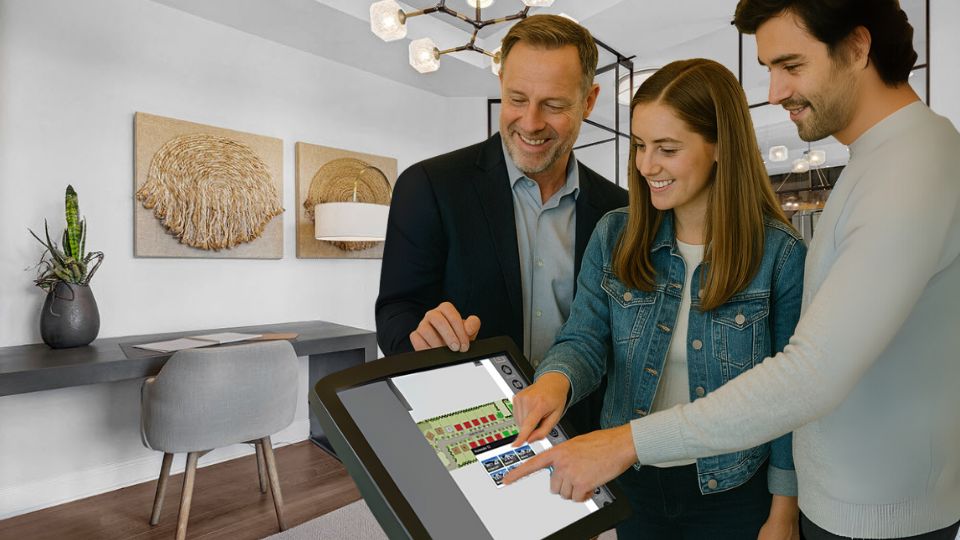
Adobe AI generated couple interacting with a Sales Kiosk.

Standing Out from the Competition

In many markets, homebuilders compete in the same neighborhoods, sometimes even across the street. A compelling sales office design can be the differentiator that helps one builder stand out from the rest.

Imagine two homebuyers visiting back-to-back sales offices. One builder features stunning wall graphics showcasing the lifestyle of the community, engaging video displays with customer testimonials, and an interactive site plan that allows buyers to visualize available lots. The other builder offers only a few brochures and a generic table with a sales rep. Which experience is more memorable? Which builder will leave a stronger impression?

Investing in creative and high-quality displays sends a message that the builder values their product, brand, and, most importantly, customers.

The Psychology Behind Visuals and Tapping into Emotion

Homebuying is an emotional process. I dare you to deny that. Buyers aren’t just choosing a house; they’re envisioning their future. A well-designed sales office fosters positive emotions, making homebuyers feel excited, inspired, and comfortable. Here’s how:

  • Trust and Confidence: Professionally designed displays communicate stability and professionalism, making buyers feel they’re working with a reputable builder.
  • Excitement and Aspiration: Lifestyle imagery, high-quality renderings, and engaging video content help buyers imagine themselves living in the community.
  • Clarity and Understanding: Interactive maps, floor plans, and community overviews eliminate confusion and make it easier for buyers to visualize their options.

Without these elements, a sales office can feel impersonal, transactional, or even forgettable. We want to inspire buyers to take the next step. Creating a memorable environment is worth it if buyers remember you after they walk out the door.

Wall wrap of motorcyclist in garage
Visually stunning garage wall wrap demonstrates the emotional appeal of wall wraps

What’s Lost Without a Sales Office?

Builders who eliminate or scale back their sales offices risk losing a key element of the sales process. A well-staffed and well-designed space allows sales teams to:

  • Guide buyers through the decision-making process in a controlled, branded environment.
  • Build relationships and answer questions in real-time.
  • Reduce buyer hesitation by providing visual and tangible reinforcements of the community’s value.

Without a dedicated space, buyers may rely on online research alone, where competing builders have just as much visibility. Worse, buyers may lose interest or become overwhelmed without the personal guidance and reassurance a sales office provides.

Weighing the Quality vs. Cost Investment

Some builders hesitate to invest in high-end sales office displays due to cost concerns. However, opting for cheap or outdated materials or skipping displays altogether can be even more expensive in the long run. Poor presentation can lead to lost sales opportunities, reduced buyer confidence, and a weaker brand reputation.

On the other hand, high-quality, well-designed displays have a lasting impact and require minimal updates compared to the revenue they help generate. A well-thought-out investment in sales office displays pays for itself through increased buyer engagement, higher conversion rates, and stronger brand loyalty.

The Bottom Line: Sales Office Displays Drive Results

For national production homebuilders, the sales office is more than just a place to meet buyers. It’s a critical tool in the sales process. The right displays create an engaging, informative, and emotionally compelling experience that turns interest into action. In a market where first impressions and differentiation matter, builders can’t afford to overlook the power of a well-designed sales office.

Now is the time to invest in displays that showcase your brand, engage buyers, and set your communities apart. After all, a strong first impression leads to a lasting relationship and, ultimately, more home sales.

Want to learn more about Sales Office Displays?

Contact us

The Bots are Coming: Are We Ready for the Disruption Ahead?

Jim Sorgatz · 03/09/2025 ·

Robot with human face

Jimdroid – Created by Tabitha Warren with a little help from A.I,

The past six months have been nothing short of a revelation. Last fall, I experienced an ischemic stroke—an event that was a bit terrifying and life-altering, but also utterly fascinating. While the recovery process has been grueling, it has also given me a rare, firsthand understanding of the intricate connection between the brain and the body—something most people never have to think about.

When a stroke occurs, blood flow to the brain is cut off, damaging nerves and severing their connection to various parts of the body. In my case, I lost control of most of my left side. However, I was fortunate—my face, speech, vision, and cognitive function were largely unaffected. Even more encouraging, my doctors reassured me that I had the potential for full recovery since I could still move my fingers and toes. What they didn’t immediately share, though, was just how difficult that journey would be.

After months of intense physical therapy and relentless effort, I have regained control of most of my muscles. Just last week, I celebrated a significant milestone—full range of motion in my shoulder. Walking, however, remains a work in progress. I can do it, but let’s just say I won’t be winning any style points.

This experience has given me a deep appreciation for something most of us take for granted: the brain-muscle connection. Under normal circumstances, our muscles simply do what they’re supposed to without conscious thought. A stroke doesn’t damage the muscles themselves but disrupts the neural networks that control them. Recovery, therefore, isn’t about healing muscles; it’s about retraining the brain to find new pathways through endless, repetitive exercises.

Army of cartoon robots

What Does This Have to Do with Robotics?

We all know the robots are coming. Many of us have chuckled at videos of Tesla’s Optimus robot tripping down a hill. Skeptics argue that humanoid robots are still decades away from being truly useful, but my stroke recovery has given me a fresh perspective—I now firmly believe they’re coming much sooner than we think.

Why? Because AI learning mirrors stroke recovery in many ways. Just as my brain must repeatedly attempt movements to forge new neural pathways, AI systems refine their capabilities through repetition. The more they practice, the smarter and more autonomous they become, adapting to new tasks without explicit reprogramming. We’ve already seen remarkable advancements in autonomous driving—Tesla’s latest Full Self-Driving (FSD) version 13.2 shows just how close we are to full autonomy.

The Impending Disruption in Homebuilding

It doesn’t take much imagination to picture robots swinging hammers on job sites. But what will push the homebuilding industry toward this reality? Tariffs? Immigration reform? The growing need for affordable housing? The catalyst may not be clear yet, but one thing is certain: innovation is essential for reducing construction costs and ensuring builders can continue to thrive.

Remember Katerra? In 2015, it looked like this technology-driven, off-site construction company would revolutionize the industry. But despite massive funding, the company ultimately collapsed in 2021 due to a combination of overspending, the pandemic, and lender failures. However, Katerra was just the tip of the iceberg. Since then, AI has advanced at an exponential pace, and robotics is poised to play a crucial role in the next wave of construction innovation.

Are We Ready for What’s Next?

Probably not. Most industries are slow to embrace disruption, and homebuilding is no exception. But the shift is inevitable. That’s why homebuilders and trade contractors need to start preparing now—adapting to new technologies and finding ways to integrate AI and robotics into their processes before they get left behind.

At Outhouse.net, we’ve always been at the forefront of innovation. From launching our first interactive floor plan over 20 years ago to developing interactive site maps, kiosks, animations, virtual tours, and visualizers, we’ve continually pushed the boundaries of what’s possible in digital marketing technology. And we’re not stopping anytime soon. We, too, understand the need to stay ahead of the curve.

The future is coming fast—are you ready?

Don’t Retire Print Marketing – Reimagine It

Jim Sorgatz · 02/24/2025 · Leave a Comment

Brochure of a K. Hovnanian Homes house

People often ask us why a print company specializing in print for home builders is necessary. Heck, today, builders sometimes ask us if print marketing is still a valuable sales tool! The answer to both questions is a resounding “Yes!” We explain why in this post.

The Role of Print in New Home Sales

In a recent episode of the Digital Velocity Podcast, co-hosts Erik Martinez of Digital Velocity and Tim Curtis of NaviStone talk with Alex Kupski and Jake Hoffman, co-hosts of the Millennials in Print Podcast, about the Power of Print in the Digital Age. They conclude, “The more channels you’re present on and the more channels you’re marketing to people on, ultimately, the more effective you’re going to be. Print, just like social, just like email, just like your website, just like a commercial on TV, is a channel for you to market on. It’s another arrow in the quiver. It’s another way to reach people you might not have before.”

…the ubiquity of digital media has given print media a strange new power.” –Brandon Ortiz, Salesforce.com

Print marketing works best when paired with digital marketing. Digital marketing is often the most effective way to draw people in. With interactive site plans, interactive floor plans, renderings, virtual tours, visualizers, and Matterport tours, your website is arguably a home builder’s most potent marketing tool. But it is only effective for a home buyer’s few precious moments on your website. Print collateral, on the other hand, has a much longer life span. Brochures and floorplan/elevation minis often sit on a potential buyer’s countertop or table for weeks or months, a lasting reminder of your homes and communities. Not every prospect immediately purchases a home, so print is a great way to keep them focused on yours. 

David Weekley Homes brochure with cactus front cover, and homes on the back

Data shows that print used in tandem with digital marketing is one of the most effective sales strategies as the two mediums strengthen and reinforce each other. A study by InfoTrends found that 66% of direct mail is opened, and 56% of consumers who respond to direct mail go online or visit a physical store. A recent article in SFGate offers some great tips to sync your print and digital marketing efforts:

  • Place QR codes on print materials.
  • Provide digital opt-ins for direct mail.
  • Include social media reviews and comments on print materials.
  • Include hashtags and calls to action on print materials.

Although digital and print marketing take different forms, They work together to engage customers and keep your brand at the top of their minds.

It isn’t game over for print marketing. The game has only changed.”

The game has changed regarding print marketing strategies. When you discover the power of fusing “low-tech with high-tech,” you will separate yourself from the homebuilders who made the mistake of transitioning to 100% digital marketing.

Print is particularly effective where there is a physical customer presence – In industries where customers interact in person, such as model home sales offices, print materials provide tangible takeaways. Homebuilders can leverage brochures, direct mail, and high-quality printed floor plans to keep their homes top of mind for buyers who may not be ready to purchase immediately.

Print Remains Relevant in the Digital Age – As digital marketing becomes more saturated, print marketing offers brands a way to cut through the noise. As digital marketing becomes more easily ignored, physical marketing materials command attention, creating a lasting impression.

Moreover, print campaigns should be fully integrated with digital efforts. Rather than treating print as an afterthought, homebuilders can maximize impact by designing campaigns that blend the strengths of both mediums. Brochures, mailers, even print ads should include QR codes, personalized URLs, or augmented reality elements that direct potential buyers to interactive experiences online. Instead of evaluating print and digital separately, builders should use KPIs that measure how both contribute to lead generation and engagement.

Why Use a Builder-Specific Printing Company?

The challenge builders face that is unique to our industry is the weekly sales cycle. From week to week, home prices may change, lot availability changes, and options may vary. The typical strip-mall printer is not equipped to automate this process. Outhouse built their business to serve a single industry – HOME BUILDING. We do all work in-house, from CAD for your construction documents to print materials for your sales centers. This allows all teams, including architectural, rendering, graphics, interactive, and print, to work in tandem. By doing so, we create accurate, up-to-date print materials that are consistent and coordinated with your digital marketing assets. Utilizing the latest technologies, we print and deliver materials on time every week, on the builder’s schedule. Challenge solved – you send us your edits, and we coordinate these changes across all platforms.  

Professional Artwork Creation: Outhouse provides clients with the considerable advantage of having drafting and rendering services on-site, allowing coordination with the development of their artwork for all printed materials. This coordination offers clients superior accuracy, faster turnaround times, and lower overall costs.

Coordinated File Management:  Another advantage is the ease of managing and coordinating all created artwork with professional digital file and asset management. All artwork is kept up-to-date, consistent, and coordinated between city design reviews, printed sales materials, large format displays, and interactive web products and services.  

Superior Print Quality:  Superior brand standard quality and consistency every time on every product is only possible with the coordination, color calibration, and production of all graphics, printing, and display under one roof. Unlike a mass-market printer like Vista Print, Outhouse is not a WYSIWYG (What You See Is What You Get) printer. We believe that good enough is never good enough, and we have the magnifying glasses to prove it! On rare occasions when colors are incorrect or print quality is not up to snuff the first time off the press, we recalibrate and rerun the job.

Builder-Specific Delivery:  Unlike many industries, home building has a weekly sales cycle, and having your print delivered on time is critical. Outhouse understands this. We meet your deadlines your way on your weekly sales cycle.

Woodside Homes brochure with three homes

The bottom line is print marketing still plays an integral role in new home marketing and sales. There’s a reason the Outhouse Interactive Floor Plan has a save button. It allows prospective homebuyers to save their customized floor plans and print them out for further review. 

What about younger generations? Retail Focus Magazine tells us that print is 30% more memorable than digital. This applies to all age groups. You need look no further than nightclubs which hand out leaflets advertising upcoming events, and university welcome packs to know that print still appeals to young people. The magazine also notes the best campaigns are when print and digital work alongside each other instead of trying to compete. A younger audience may be digitally savvy, but they still appreciate a well-thought-out hard copy campaign.  

Although any printer can give you a halfway decent brochure, only a company like Outhouse coordinates your CAD, rendering, and interactive projects with your print materials and sales office displays. Even if our print pricing is a bit higher, you will save significantly more overall through efficiencies in coordination.     

Woodside Homes floor plan
When you update a plan, Outhouse coordinates the changes across CAD, print, and all digital marketing assets.

Is 2025 the Year to Break Out of the “Home Builder Box?”

Jim Sorgatz · 02/07/2025 ·


There are many brilliant people here at Outhouse, and one of them is our content creator and social media manager, Tabitha Warren. An enthusiastic advocate for the FIRE (Financial Independence, Retire Early) movement, Tabitha made the bold decision to leave her full-time job as a tax accountant in her mid-thirties. But instead of retiring, she pivoted to a new career in digital marketing, joining our team at Outhouse while also helping other companies build websites. It wasn’t an easy transition, but through determination, hard work, and a relentless drive to learn new skills, she made it happen. Today, she’s a Canva expert, crafting stunning graphics and managing social media for most of our marketing efforts. What’s even more inspiring is her constant quest for the “next big thing.” Her curiosity and drive to adopt cutting-edge technologies push me, the old guy, to keep learning and reaching for more.

Tabitha Warren in front of husband Anthony

Tabitha Warren, enjoying some free time with husband Anthony

In a way, Tabitha’s journey mirrors the challenges the home building industry faces. As she mentioned in her January 10th post, “Navigating Labor and Supply Chain Issues,” the industry enters another year trying to stay ahead. It’s not a lack of demand—there are plenty of families looking for new homes—but labor and supply chain bottlenecks, coupled with sticky inflation, that are driving home prices higher (thank you, pandemic). And let’s not forget the high interest rates that persist even after a couple of Fed rate cuts (thanks, lenders).

Builders and contractors who adapted quickly survived.

The housing crash of 2008-2010 showed us that builders and contractors who adapted quickly survived. For many, that meant streamlining operations, letting go of staff (not-so-affectionately called “right-sizing”), and embracing new, cost-saving techniques. Some even chose to be acquired by other companies. Many long-time construction workers faced similar crossroads, and those who were willing to adapt to new careers—sometimes temporarily—are the ones who have thrived today.

The reality is, like the stock market, the home building industry is volatile. It’s a constant roller coaster ride with high highs and low lows, and rare are the moments when things are smooth sailing. The key to surviving and thriving? Being agile. Builders who can pivot quickly, streamline processes, adopt new methods and technologies, or even revert to time-tested strategies when necessary will be the ones who come out on top.

Image of a house blueprint transitioning to 3D exterior rendering

This is exactly why we built the Outhouse CAD department with this roller coaster in mind. Many homebuilders already rely on us for renderings and interactive tools, so it only makes sense to put our 30+ years of CAD expertise to work and help with drafting services. Here’s how outsourcing your drafting to us can benefit you:

• Uniformity for the Field Crew: Our approach ensures that your plans maintain a consistent look and feel across the board, no matter who the designer is.
• Compatibility is Key: Our 2D plans integrate seamlessly with other Outhouse services or external consultants—no hassle, just smooth collaboration.
• You Own the CAD Files: Whether you build one home or a hundred from a single set of plans, the CAD files are yours to keep.
• Accelerated Delivery of Marketing Assets: We can produce your interactive floor plans, site maps, virtual tours, visualizers, renderings, and brochures simultaneously, allowing you to hit the market faster and more cost-effectively.

Embrace the future (or more precisely, the present) with 3D photorealistic renderings, 360-degree virtual tours, and interactive floor plans.

If your website still sports black-and-white stick drawings and static floor plans and site maps, it’s well past time to think outside the box. Embrace the future (or more precisely, the present) with 3D photorealistic renderings, 360-degree virtual tours, and interactive floor plans. Interactive tools are far more engaging than static images—they allow homebuyers to digitally add structural options, rearrange furniture, and even take virtual walks through rooms with integrated VR hotspots. These experiences help families emotionally connect to your homes, turning casual browsers into serious buyers. Plus, interactive features are proven to increase the time visitors spend on your site, which often leads to more sales. In today’s tech-savvy market, these tools aren’t just a nice-to-have—they’re essential. Younger homebuyers, especially, love the gamified, interactive experiences.

Outhouse.net excels at providing all the digital and print marketing assets that today’s homebuyers expect when shopping for new homes, including 3D renderings, virtual tours, visualizers, interactive floor plans, and interactive site maps for your website. And we don’t stop there—we also offer interactive kiosks, print materials, large format signage, and display options for sales offices.

Looking for more ways to expand your horizons? The International Builders Show in Las Vegas, happening February 25-27, is a fantastic place to explore the latest in construction technology and trends. If you’re attending, make sure to stop by and say hello to Outhouse principals and our OSC partner Blue Gypsy Inc. in Sales Central, West Hall W311. We’ll be sponsoring coffee and snacks throughout each day, and we’d love to meet you. All are welcome—even if you have a floor pass only!

This is what my home will look like? I was blind and now I can see! Hallelujah!

Stuart Platt · 01/20/2025 ·

—probably said by around 75% of new homeowners using interactive floor plans.

Outhouse video of site map, to interactive floor plan using furniture to scale floor planner

Buying a new home is a rollercoaster ride of emotions. From the excitement of picking out the perfect neighborhood to the dread of deciphering traditional blueprints that look like a game of Tetris gone wrong, it’s a process that could use a little less stress and a lot more fun. Enter interactive floor plans—the unsung hero of homebuying, making lives easier and dreams closer to reality.

Interactive floor plans are like a crystal ball for future homeowners. Instead of squinting at static floor plans that seem more suited for engineers than everyday folks, you get an immersive, easy-to-use tool that shows you exactly what your new home could look like. Whether it’s a 2D layout or a 3D walk-through, these plans let you explore every nook and cranny of your potential palace.

Wait, so this is what my bedroom will look like with an actual bed in it? And I still have room for a yoga mat? This is sorcery!” —probably said by every millennial buyer ever.

With features that let you zoom in and customize layouts, interactive floor plans put the power back in your hands. Suddenly, picking a home doesn’t feel like a guessing game; it feels like designing your personal dream space—without the confusion and uncertainty.

The Stress of “What Ifs”? Gone.

Happy Homeowners, man and woman hugging. Man lifts woman into the air. Boxes scattered around room ready to unpack.
Happy homeowners courtesy of Adobe Stock

Buying a home comes with a million “what if”s. What if the kitchen’s too cramped? What if the living room doesn’t fit our couch that is basically a family heirloom? Interactive floor plans kick those doubts to the curb by letting you visualize your future home in a way traditional tools never could.

I’m sorry, I can just drag and drop then resize furniture to see how it fits? I feel like a one-person moving company!” —an exasperated but thrilled first-time buyer.

Customization for the Win

Interactive floor plans are more than just pretty pictures. They’re customizable, allowing you to play around with layouts, options, and even kitchen appliances. Want an open-concept kitchen? Boom, done. Thinking about adding a home office? See exactly how it fits before committing.

I just turned my three-bedroom into a four-bedroom with an office nook, all before my second cup of coffee. Take that, HGTV!” —a suddenly confident buyer.

Not only does this customization make the process fun, but it also reduces miscommunications with builders. When you know exactly what you want, there’s no room for “I thought you meant this” moments. It’s a win-win.

It’s like visiting the model home, minus the awkward small talk with the sales agent.” —an introverted and happy new homeowner.

I was sick, and I designed my future house in my pajamas with a tissue stuffed in one nostril. Modern technology really peaked here.” —a satisfied buyer who fully recovered and is now living their best life.

Builders, Take Note: Happy Buyers = Happy Sales

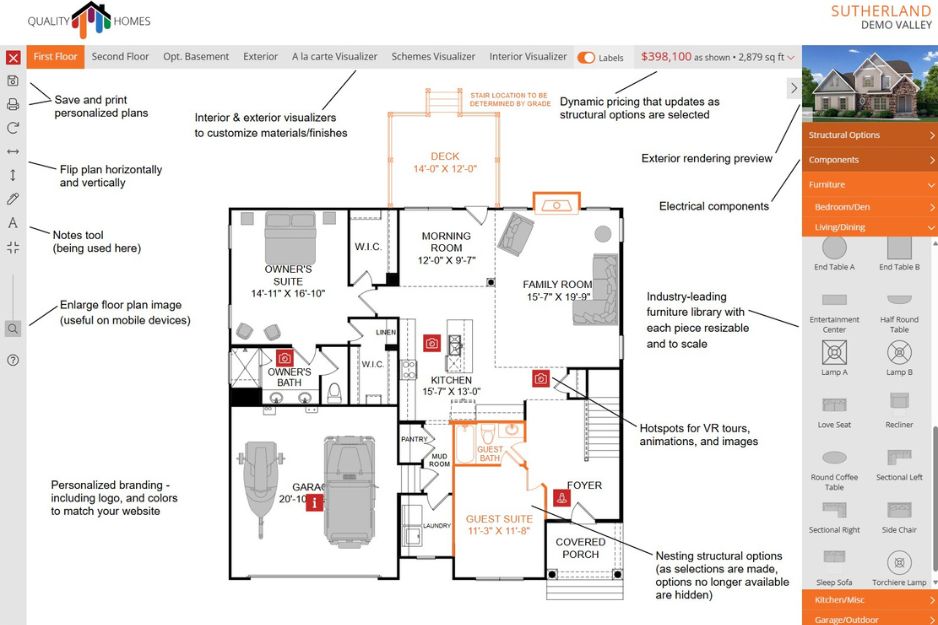
Interactive Floor Plan labeled with many of the pros for both builder and buyer

For builders, offering interactive floor plans isn’t just a nice-to-have; it’s a must. Buyers are more likely to commit when they feel confident in their choices. And nothing boosts confidence like being able to see, tweak, and explore your home before it even exists. Since the first IFP was created decades ago, Outhouse.net is leading the charge, helping builders provide these tools that make buyers swoon.

Conclusion: The Homebuying Hero We Deserve

Interactive floor plans aren’t just about convenience—they’re about transforming the homebuying journey into something exciting and stress-free. They bring clarity to the chaos and turn dream homes into tangible realities. And hey, if you’re lucky, they might just save you from buying a house with a kitchen island that’s one cupboard short of perfect.

Thanks to interactive floor plans, I found my dream home and avoided a layout disaster. Now I’m just wondering if they can help with furniture shopping, too.”—a relieved new homeowner and soon-to-be dedicated IKEA customer.

Head Shot of Outhouse Partner Stuart Platt

Stuart Platt, Managing Partner at Outhouse LLC restructured his 25+ year company to an Office Optional (OffOp) business model in 2018. Stuart’s version of the OffOp model enabled the company of nearly 40 employees to downsize its physical office from 14k sf to 6k sf. Based in Phoenix, local employees desiring to work in the office for a few days, weeks or months can reserve any open desk whenever they want. The remaining employees work from home, fulltime across 10 different states and counting. Schedule time to talk with Stuart at IBS by emailing him at [email protected].

Want to work smarter, not harder? The Outhouse/Blue Gypsy Coffee Station in Sales Central has just what you need:
• Coffee and snacks to improve hustle
• Relaxation to improve recall
• A chance to schedule time with your favorite Home Builder Digital Assets Expert, Kevin Weitzel, here :
https://calendly.com/kevin-weitzel/sales-central-meeting

Navigating Labor and Supply Chain Issues in Home Building

Jim Sorgatz · 01/10/2025 ·

Challenges Faced by an Aging Construction Worker Due to Delayed Retirement Age and Physical Strain. Concept Retirement Age, Physical Strain, Aging Workers, Construction Challenges, Delayed Retirement generated using AI by Anastasiia on Adobe Stock
Aging Construction Worker Image Generated by AI for Adobe Stock

The home building industry is facing some rough seas. Labor shortages and supply chain disruptions are rocking the boat, messing with project timelines and profits. The industry lost a ton of construction jobs during the pandemic – over a million, in fact. Things have picked up, but the homebuilding industry was still short almost half a million workers at the end of 2023. And it’s not just finding people; getting materials is a headache too. Construction costs have jumped by almost 40% since 2020, and supplies take forever to show up on site. It used to take under 7 months to build a typical house, but now it’s over 8 – all thanks to these problems.  

This isn’t just a temporary storm; it’s a whole new weather pattern for home builders. Builders might want to adjust their sails if they want to stay afloat. In this post, we’ll dive into what’s causing these issues, how they’re affecting the industry, and what can be done about it. Plus, we’ll look at how Outhouse can help builders work smarter, not harder.

Where Have All the Workers Gone?

The labor shortage is a big problem with deep roots. One reason is the “silver tsunami” – experienced workers are retiring, and not enough young folks are stepping up to take their place. For every five retirees, the home building industry only gets about two new workers. That gap is getting wider and wider, leaving home building high and dry, especially for skilled trades. Across the U.S., the construction industry has about 8.3 million construction workers, with 3.4 million in home building, but it’s not enough. A whopping 65% of builders can’t find enough finish carpenters. This drives up labor costs and throws off schedules. To put it in perspective, the industry needed over half a million extra workers in 2024 just to keep up. This is even worse than the shortage during the housing boom back in the mid-2000s, even though fewer homes are being built now. Something has to give!  

Image courtesy of CanvaPro

So, why aren’t young people interested in construction?

  • College Craze: Many young people think a college degree is the only ticket to success, so they’re not going to trade schools.
  • Tough Job: Construction can be tough on the body and sometimes dangerous, which doesn’t appeal to everyone.
  • Competition: Other industries like manufacturing are also scrambling for workers, so everyone isl fighting over the same talent pool.

Supply Chain Snags

The pandemic really showed the world how fragile our supply chains are. Closed borders, factories shutting down, and transportation issues created a real mess, making it hard to get materials and driving up prices. It didn’t help that everyone started panic-buying, which made things even worse .  

Lumber prices went through the roof. Appliances, windows, and doors were like gold dust. Projects got delayed, and costs went up all around.  

Even though the pandemic is mostly behind us, the supply chain is still tangled. The war in Ukraine, high energy costs, and ongoing shipping problems are keeping things unpredictable. Some companies are turning to tech to help, using things like “control towers” to track materials and adjust to changes quickly.  

close up architect showing new house project with tablet, empty land plot background generated by AI for Adobe Stock
Tablet computer showing new build generated by AI for Adobe Stock

Strategies for Success

Builders should consider being proactive to navigate these challenges. Here are some strategies that can help:

Finding and Keeping Skilled Workers

  • Invest in the Future: Builders can create apprenticeship programs and on-the-job training to bring in new talent and keep our current workers sharp. Some industry groups like the Home Builders Institute (HBI) and Lowe’s Foundation are putting money into training programs to get more people into the trades. Programs like The House That She Built work to educate young people about the opportunities available in the building industry. 
  • Cast a Wider Net: Look beyond the usual places to find workers. Reach out to women, veterans, and people who were formerly incarcerated. Partnering with community groups and schools can help us connect with potential employees.  
  • Show Appreciation: To keep good workers, consider offering competitive pay, offer great benefits, and give them chances to grow. Think health insurance, retirement plans, paid time off, and opportunities for promotions.  
  • Embrace Technology: Technology can help do more with fewer people. This includes things like automation, prefabrication, and digital tools for managing projects . By investing in technology, home builders can make jobs more efficient and appealing.  

Getting Needed Materials

  • Team Up with Suppliers: Strong relationships with suppliers are key to getting needed materials on time. Open communication and working together can help everyone in the supply chain anticipate problems and find solutions.  
  • Don’t Put All Your Eggs in One Basket: Have backup plans. Find new suppliers and consider using different materials if current suppliers run into shortages or hike up prices.  
  • Plan Ahead: Ordering materials in advance and keeping enough on hand can help avoid delays and price swings.  

Working Smarter, Not Harder

  • Simplify Choices: One way to ease the strain on the supply chain is to offer fewer product choices, sticking with materials that are readily available .  
  • Package Deals: Offering pre-selected material packages can make things easier for everyone and ensure that everything works together.  
  • Order Early: For important things like windows ordering them six months ahead of time and storing them can prevent delays. This takes some planning and space, but it can be worth it.  
  • Speak Up: Advocate for policies that can help fix supply chain problems. This includes supporting efforts to increase production of things like electrical transformers.  

How Outhouse Can Help

Outhouse.net has some great tools that can help home builders work more efficiently and deal with labor and supply chain issues. By outsourcing your drafting to Outhouse, you can save money and get top-notch expertise .  

Here’s a quick look at what we offer:

Here’s how these tools can help:

  • Less Rework: Accurate plans mean fewer errors and less time and money wasted on fixing mistakes.
  • Clearer Communication: IFPs and other visual tools help everyone understand the plan, preventing confusion and delays.
  • Smoother Operations: Outhouse products help streamline the design and construction process, making things more efficient.

Riding the Wave

The labor shortage and supply chain disruptions are tough challenges, but home builders can overcome them. By investing in the workforce, building strong relationships with suppliers, using technology wisely, and taking advantage of tools like those offered by Outhouse, home builders can weather this storm and continue building quality homes efficiently and profitably.

  • « Go to Previous Page
  • Page 1
  • Page 2
  • Page 3
  • Page 4
  • Page 5
  • Interim pages omitted …
  • Page 9
  • Go to Next Page »

Ready to get started, want more info?

Contact Us
  • Facebook
  • Instagram
  • LinkedIn
  • YouTube

Outhouse

11048 N 23rd Ave #103
Phoenix, AZ 85029

602-371-4394

© 2026 All rights reserved