• Skip to primary navigation
  • Skip to main content
Outhouse logo

Outhouse

The Outsource Hub for Home Builders

  • Home
  • Products & Services
    • Architectural/CAD
    • Rendering
    • Virtual Reality
    • Interactive Floor Plans
    • Interactive Site Maps
    • Interactive Kiosks
    • Print Marketing
    • Sales Office Displays
  • Partners
  • News
    • Events
    • Blog
    • Podcast
  • About Us
  • Contact Us
  • Show Search
Hide Search

OutThink

A Lesson for Home Builders from Disney on Customer Experience

Jim Sorgatz · 12/21/2025 ·

Out Door Christmas Gathering with Large Christmas Tree

Disney Has Great Customer Service — Until They Don’t

A recent trip to Disney World provided an important reminder about customer service and experience: The real test isn’t when everything goes right — it’s when things go wrong.

From pre-trip planning through most of our stay, Disney largely lived up to its reputation. Hotel reservations? Check. Dining reservations? Seamless all week. Assistance getting on and off rides due to a bad leg? Absolutely exemplary.

Disney truly shines when it comes to supporting guests with mobility and other challenges — and they do it in a way that makes people feel included, not like an inconvenience. That’s no small thing.

We did encounter a few issues, one of which was a major disappointment. I had booked a special room for one night through the Disney Vacation Club Store. On the morning of our stay, a cast member informed me we’d been moved due to a mechanical issue in the original room.

After explaining that I’m not a DVC member, had purchased points, and may not be returning for years, Disney stepped up. They offered a $250 gift card to cover dinner at Citricos — one of their fancier restaurants — and moved us to a replacement room in the new Polynesian Tower with a spectacular fireworks view.

As my friend and coworker Kevin Weitzel would say, “Not too shabby.”
Despite the disappointment, Disney made every effort to preserve the magic.

Tiki Lamp

Where the Experience Fell Apart

Everything was great… until we got home.

I had purchased a fun tiki lamp at the Polynesian Resort and had it shipped. When it arrived, it was broken. I called customer service and immediately got that sinking “oh no” feeling — the call center was clearly not U.S.-based.

The first representative assured me it would be handled and that I’d receive an email shortly with return instructions.

That email never came.

I called again the next day and was told there was no record of my previous call, so we started over. The representative repeatedly asked for a reference number I couldn’t locate on the receipt. After reviewing it multiple times, she finally asked for a screenshot.

Her first question after seeing it:
“Did you make the purchase with a MagicBand?”

I had.

And that turned out to be the issue. MagicBand purchases are apparently tracked differently than other transactions — despite charging the same credit card on file — which is why they couldn’t locate my order. Once that was sorted out, the return was processed, and a replacement lamp arrived a couple of weeks later.

Lessons That Apply Far Beyond Disney

A few takeaways stood out — and they apply just as much to home builders and their partners as they do to theme parks:

1. Technology must work — and track correctly.
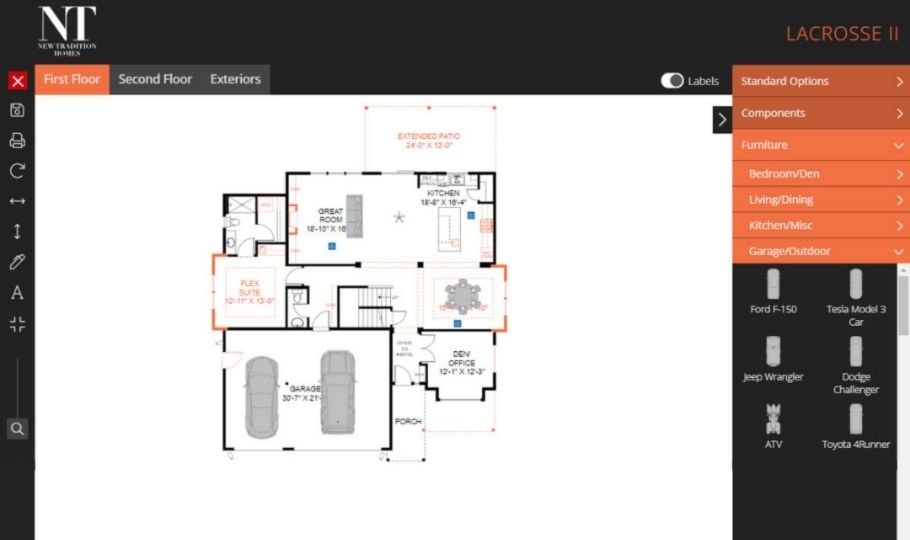
If you’re using tech, it has to function reliably behind the scenes. If you have interactive floor plans on your website, for example, make sure:

  • Furniture planners are scaling correctly
  • Dynamic pricing pulls from the right database
  • Leads are routing to the correct sales team for fast follow-up

Disney isn’t alone here. I’ve had recent inconsistencies between apps and websites from Costco and Bank of America as well. When systems don’t align, customer confidence erodes quickly.

2. When problems arise, don’t hand clients to the “B team.”
Dissatisfied customers are rarely easy — which is exactly why this is when your A team matters most. Clients need to know their concerns are being handled by someone with both the skill and authority to resolve the issue.

3. Consistency prevents (and softens) problems.
This is why Outhouse assigns dedicated account managers instead of using a random project queue system. Clients know exactly who to call — whether placing an order, making revisions, or addressing an issue. Fewer handoffs mean fewer glitches, and stronger relationships mean faster resolutions.

A Home-Building Parallel

This reminds me of a new-construction home I purchased several years ago. During most of the build, the superintendent was excellent — clear communication, quick responses, and deep familiarity with our home.

About two-thirds of the way through construction, he took another job, and a new superintendent was assigned. He was fine, but didn’t have the same knowledge of the home or history of decisions.

On closing day, he couldn’t be there at all. Instead, a builder representative who had never set foot in the home — and wasn’t part of the closing team — handed over the keys. There were still major punch-list items outstanding, and while everything was eventually resolved, the confidence we’d built along the way took a hit. It was a rocky handoff at a critical moment.

A Timely Reflection

A new year is always a great time to step back and assess your customer experience:

  • Where are you excelling?
  • Where are handoffs breaking down?
  • Are your systems and teams aligned?
  • Are you building confidence — or unintentionally creating friction with clients?

The magic isn’t just in getting things right.
It’s in how you respond when they don’t go according to plan.

Merry Christmas, and cheers to you, your family, and coworkers for a happy, healthy and prosperous New Year!

If you need help with any of your home builder marketing and branding needs:

Contact US

Good, Better, Best: What Home Builders Can Learn from the Auto Industry

Tabitha Warren · 12/08/2025 ·

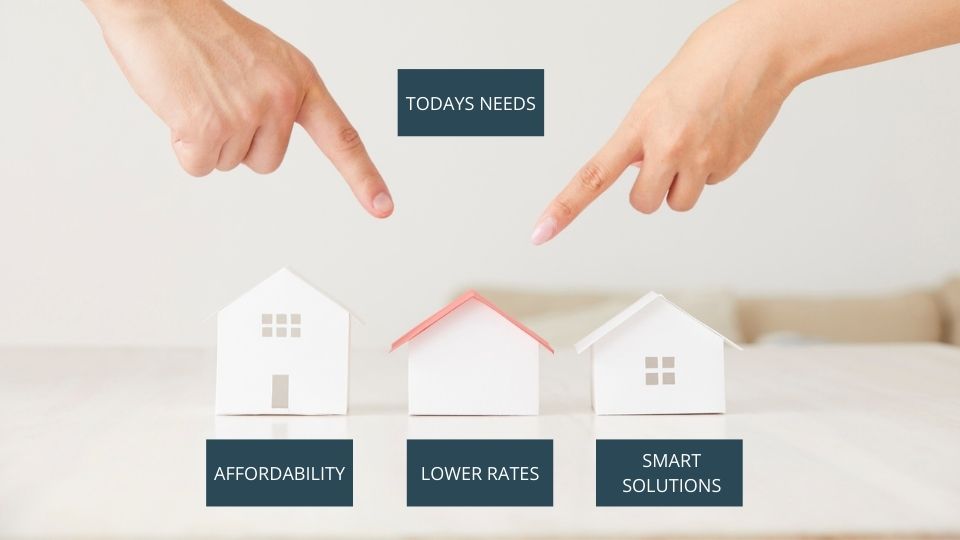
picture of 3 different houses in order from worst to best quality. with good better best under them.

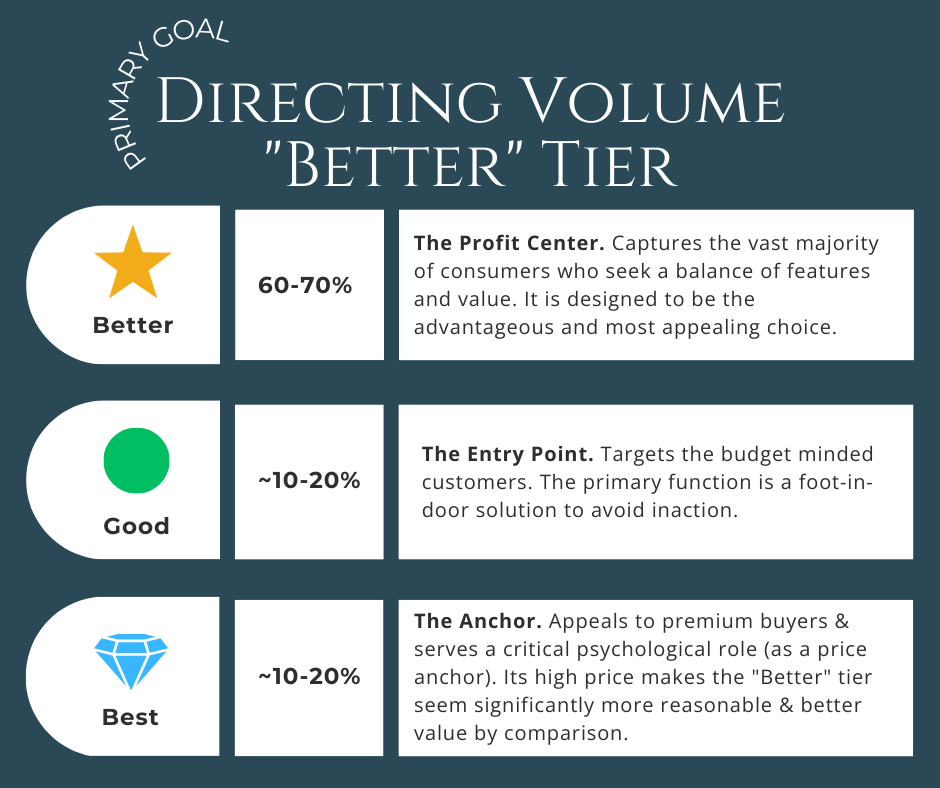
If you’ve ever shopped for a new car, you know how the game goes. You walk in thinking you’ll drive home in the base model. But then you see the “better” version: leather seats, Apple CarPlay, maybe even a moonroof calling your name. Before long, you’re test-driving the fully loaded edition, grinning from ear to ear, convincing yourself it’s totally worth it. That, my friends, is the “Good, Better, Best” strategy in action, and it works just as well for home builders as it does for car manufacturers.

Why the “Good, Better, Best” Approach Works

People love choices, but not too many. When you present clear tiers (good, better, best), you help buyers make confident decisions without confusion or overwhelm.

Home builders already use this psychology every day:

  • Standard finishes (good)
  • Designer upgrades (better)
  • Custom luxury features (best)

So why not apply that same logic to your digital marketing tools?

The Digital Marketing Version of “Good, Better, Best”

At Outhouse, we help builders of every size and price point choose the tools that fit their goals, just as you would pick the right trim level on a car.

GOOD: The Reliable Workhorse

Best for: Builders who want quality visuals and efficiency.
Includes:

  • 2D floor plans
  • Basic static renderings
  • Standard community maps

This is your “base model”: straightforward, affordable, and professional. It gets your homes online quickly with clear, accurate visuals that attract buyers.

BETTER: The Performance Upgrade

Best for: Builders who want to boost buyer engagement.
Includes:

  • Interactive Floor Plans (IFPs)
  • Enhanced 3D renderings with realistic lighting and textures
  • Custom-branded community brochures

Now you’re adding some horsepower. Buyers can click, explore, and visualize, creating an emotional connection before they ever visit your model home.

BEST: The Fully Loaded Experience

Best for: Builders selling high-end or design-driven homes.
Includes:

  • Interactive Floor Plans (IFPs)
  • Immersive 3D tours and virtual reality walkthroughs
  • Option visualizers and customization platforms
  • Interactive site maps and lot selection tools

This is the premium package, all the bells and whistles. Buyers can “drive” through your community online, walk inside virtual homes, and fall in love before the slab is even poured.

Match the Tools to Your Market

Just like car shoppers, not every builder needs the top-of-the-line model.

A regional builder focused on affordability doesn’t need VR goggles in every sales office, but they do need clean visuals that communicate trust and professionalism.

Luxury builders, on the other hand, can’t afford to cut corners. Their audience expects a polished, immersive experience to match the price tag.

The key? Know your audience, then choose digital marketing tools that meet them where they are.

The Bottom Line: Be Strategic, Not Flashy

At Outhouse, we don’t believe in cookie-cutter solutions. Our team helps builders find the perfect mix of tools to fit their goals, budget, and buyer expectations. Just like cars, not everyone needs a convertible, but nobody wants to drive a lemon. So what’s your version of leather seats and a moonroof? Let’s find out.

Ready to Choose Your Perfect Fit?

Not sure which digital marketing tools fit your business best?


Contact your Outhouse account manager or reach out to our team.

Contact us


We’ll help you build a “Good, Better, Best” strategy that drives results and turns browsers into buyers.

Keep Learning: How Strong Visuals Drive Builder Success

If you liked this article, you’ll love our post on Why Your Home Building Brand Needs a Strong Visual Identity.
It digs into how powerful visuals shape buyer perception, and how consistent, high-quality imagery can elevate your brand just as much as the tools that deliver it. Because at the end of the day, great marketing isn’t just about what you show: it’s how you show it.

How to Train Your Dragon… I Mean, Your AI!

Kevin Weitzel · 11/17/2025 ·

We at Outhouse, LLC are thrilled to welcome our friends from Blue Gypsy Inc. as today’s guest authors!

In the fast-paced world of sales, integrating AI tools is no longer optional: it’s essential. However, the biggest fear we hear is the loss of that crucial authentic, human connection. How do you harness the power of this new technology without making your communication sound like a generic, robotic script?

Blue Gypsy Inc. tackles this challenge head-on with a fun and practical guide in their post: “How to Train Your Dragon (I mean, Your AI!)”

Just like Hiccup trained Toothless to be his trusty sidekick, this article will walk you through the essential, step-by-step process for transforming your “unruly tech beast” into a loyal, customer-savvy companion. You’ll learn the insider secrets to feeding your AI the right inputs, refining its voice, and teaching it to think and prioritize exactly like a seasoned professional.

It’s time to stop letting your AI sound like a template and start making it roar with your personal brand.

Take it away, Blue Gypsy Inc.!


I am a huge How to Train Your Dragon Fan. Not just because my husband loves animated movies and has bought me all the dragon stuffed animals that have been created from the original movies. But also, because dragons are amazing! And at the same time, they can seem scary.  But when you try to get along with them, they can be your best friend!

AI can feel a little dragon-like at first. There are fears it could take over your jobs. Heck, I see stuff all the time that says AI can coach you…blah blah blah, pfttt – not like a real experienced coach *cough* but I digress. The reality is we can harness the power of AI just like Hiccup trained Toothless to be his trusty sidekick.

So saddle up, OSCs! Because it’s time to turn that unruly tech beast into your own loyal, customer-savvy companion that sounds just like you.

Step 1: Know Thyself (Before You Train Thy AI) <- Yeah…that was AI saying that…

You can’t train your AI to be “you” if you don’t know who you are. (Deep, right?)

Start by identifying:

  • Your tone: Are you casual and witty? Professional and concise? Warm and nurturing?
  • Your common phrases: What little sayings or greetings do you use that make your communication feel “you”?
  • Your core knowledge: What’s the insider info you always share with buyers – like process tips, builder timelines, or loan insights?

I give ideas in training all the time on how OSCs can communicate certain ideas. But I tell them, make it their own. Make it sound like them. You are doing the same thing with your AI tools. You need it to sound like you.

Pro Tip: Write like you talk! AI learns best from real-life examples. If you wouldn’t say “Dear Esteemed Homebuyer,” in real life… don’t let your AI say it either.

Step 2: Feed the Beast (With the Right Inputs)

Just like Hiccup didn’t train Toothless on an empty stomach, your AI needs to be fed – with information only you can provide.

Start training by giving your AI:

  • Your email templates
  • Your FAQs and answers
  • Your CRM notes and process docs
  • Voice memos or recordings of you responding to leads

The more examples you give, the more your AI will start to understand your voice, tone, and timing.

Pro Tip: Think of it like giving your AI the OSC version of dragon treats – the more it gets, the more it loves you (and responds like you).

Step 3: Refine the Voice – Don’t Let It Sound Like a Robot

AI can be incredibly smart. But let’s be real… it can also sound like a stuffy British butler if you’re not careful.

To make your AI sound like you, teach it:

  • Emojis you use (Though use them sparingly)
  • When to say, “Hey there!” vs. “Hi [First Name],”
  • How you close out emails (Sincerely? Thanks so much? Let’s chat soon?)
  • Where you add humor
  • When to not be overly formal (we’re in new home sales, not law school)

Try brain dumping your ideas in your voice to the AI and then tell it who you are. That you want it to sound professional but approachable. Let it know when it can be a little quirky, straight forward, and concise.  Play around with it. And if it doesn’t spit out something that sounds like you, then tell it to try again and give it more feedback on who you are.

Pro Tip: Say it out loud. If it doesn’t sound like something you’d say on the phone or in person, tweak it!

Step 4: Teach It to Think Like You – Process, Priorities, People

This is where it gets real.

You want your AI assistant to:

  • Know the process from lead to appointment
  • Understand what’s important to different types of buyers
  • Spot red flags in conversations (Is this a tire kicker? A relocation lead? A ready-now buyer?)

That means explaining your why behind your responses. For example:

“When a buyer says they’re just starting their home search, I ask tell me more about what’s motivating your eventual move.”

This trains the AI not just to reply – but to think like an OSC.

Pro Tip: The goal isn’t for your AI to just send info – it’s to be your digital twin. And your twin has to know what you know.

Step 5: Test It, Break It, Train It Again

Just like Toothless didn’t fly perfectly the first time (remember that crash landing?), your AI won’t nail your tone and timing on Day 1.

So test it out:

  • Have it write responses to common buyer questions
  • Then correct it with your tone and how you’d answer the same question
  • Let it help draft email follow-ups
  • See how it handles a “cold lead re-engagement” campaign

Then – and here’s the magic – edit its work. Your edits become new training data.

Pro Tip:  Every tweak you make teaches your AI what you do and don’t like. Don’t skip this step – it’s the secret sauce!

Step 6: Let It Fly… But Stay in the Saddle

Even once your AI is dialed in, remember: it’s your assistant, not your replacement.

  • Use it to save time, not skip strategy
  • Let it enhance your voice, not erase it
  • Check its work before it goes out (especially with hot leads)

Pro Tip: You’re still the dragon rider. Your AI is just the wings.

From Fire-Breather to Lead-Nurturer

Training your AI is a lot like training a dragon.

It takes patience.
It takes empathy.
It takes a few singed eyebrows along the way.

But with the right inputs, a sense of humor, and a little OSC magic, your AI can become the ultimate extension of your brain, your brand, and your buyer experience.

So go on – grab the reins, feed it your brilliance, and make your AI roar with your voice.

Because no one else can sell homes like you – not even a robot.

Need expert help training your sales team and optimizing your lead strategy? Blue Gypsy Inc. are the premier leaders in Online Sales Counselor (OSC) training, consulting, and coaching. Stop leaving money on the table. Connect with Leah Fellows and the Blue Gypsy Inc. team today to unlock proven strategies and make your sales process truly unstoppable.

Written by Leah Fellows of Blue Gypsy Inc.

More Blogs From Blue gypsy Inc.

Outhouse’s Digital Suite – We’ve Come a Long Way, Baby!

Jim Sorgatz · 11/03/2025 ·

OutHouse IFP with descriptions

Why It Might Be Time for a Refresher Demo, Not a New Vendor

Every so often, we hear from a builder client who asks, “Why doesn’t my widget ‘x’ do this or that?” Maybe you spotted something new on another builder’s website or in a demo from a competitor. We get it, technology moves fast, and digital marketing tools evolve even faster.

But before you assume your current system is outdated, there’s a good chance those new features are already available through Outhouse.

Built for Builders: Designed to Evolve

As one of the original creators of interactive tools for home builders, Outhouse has
spent more than three decades helping builders showcase their homes online. Our
Interactive Floor Plans (IFPs) and Interactive Site Maps (ISMs) are trusted by builders across the U.S. because they’re built to grow with technology, not be replaced by it.

Customized plan emailed and/or texted to homebuyer when they personalize and save a plan.
 

We update our tools regularly to help you stay competitive in digital marketing:

  • Dynamic Pricing: Pricing adjusts instantly as buyers select structural options.
  • Elevation Previews: Show front-elevation changes directly on IFPs.
  • To-Scale Furniture: The most comprehensive furniture library in the industry.
  • Clickable Site Maps: Buyers can view available lots and jump directly to corresponding floor plans.
  • API Integrations: Seamless connections with CRMs, ERPs, and other third- party platforms.

These are just a few ways Outhouse technology sets the standard for builder
interactivity.

Continuous Improvement You Might Not Notice

Much like the homes you build, behind-the-scenes upgrades and changes take place to Outhouse’s interactive tools. Meanwhile, staff changes at your company, website redesigns, and evolving integrations can, over time, lead to features being missed or underused.

That’s why we recommend scheduling a refresher demo with your Outhouse Account Manager at least once every couple of years. You may be surprised at how much has changed, from new functionality and smoother integrations to updated user interfaces designed to convert more leads.

Why Start Over When You Don’t Have To?

Switching vendors can be expensive and disruptive. Data migration, reintegration, and retraining your team take time and resources that could be spent marketing new homes and communities.

A simple demo could reveal that your current Outhouse tools already include the same (or better) features than you’ve seen elsewhere without the high cost of starting from scratch.

With our U.S.-based team of CAD specialists, developers, and account managers, you’ll always have direct support from experts who understand how production builders operate.

Site map with pop out of available plans.  Homebuyers click on elevations to access interactive floor plans.
Site Map Platinum.jpg
Site map with pop out of available plans.  Homebuyers click on elevations to access interactive floor plans.

Let’s Take a Fresh Look Together

If it’s been a while since your last demo, now’s the perfect time. We’ll walk you through the latest IFP, ISM, and VR enhancements, integrations, and customization options so your buyers enjoy the most engaging online experience possible.

Schedule your refresher demo today.

Schedule Here

Because sometimes, the tools you already have are more powerful than you realize.

Why Your Home Building Brand Needs a Strong Visual Identity

Kevin Weitzel · 10/20/2025 ·

Puzzle with missing piece Denim Marketing logo

Today’s post comes to you from Melissa Walcott, a fantastic industry voice we’re excited to host. For a deeper dive into marketing strategies and consistent, quality content, don’t miss the Denim Marketing blog!

In today’s saturated market, it is often difficult for homebuyers to determine which homebuilder is the best selection. Your marketing strategy can make or break your quarterly sales goals. In a homebuying world complicated by high interest rates, high home prices and market uncertainty, consumers need a brand they can trust and rely on to purchase their first, next or final home.

With a strong visual identity, your homebuilding company will stand out among the competition and be the one buyers return to time and again for this next chapter in their lives, providing them with a sense of security and confidence in their investment.

Brand Recognition

Brand recognition is the most powerful tool in your toolbelt. Homebuyers like to buy from brands they recognize and trust when shopping for their new home. Look at your company’s logo across multiple mediums including signage, website graphics, on-site advertisements, flyers and marketing materials. Is the branding look cohesive? The best way a builder can remain top of mind with buyers currently shopping in the market is to present a recognizable and memorable brand with cohesive colors, fonts and logos. It is even better if your brand is fun.

The instant recognition potential homebuyers experience tells them that you are not another name on the long list of homebuilders but a recognizable name they can trust. This familiarity places your brand at the top of their list throughout their search for the perfect home.

Differentiation

When building your company’s branding guide, it’s essential to add inspiration directly from the product you create! Think about what sets your homes apart from the competition—is it a focus on traditional craftsmanship, modern design or energy efficiency? Your visual identity, from the photographer you use to your color scheme and logo design, all work together to tell a unique story.

Click here to view the Denim Pets Marketing Guidebook!

Suppose a consumer is searching for a modern, light-filled home. Your website and marketing materials spotlighting open floor plans bathed in natural light will immediately catch their eye!

Trust & Credibility

Your company’s visuals go beyond aesthetics; it is also a surefire way to build trust and credibility. A professional and polished visual brand communicates to the buyer that you are an established builder who pays attention to detail, from design to construction. This instills confidence and assures the prospective homebuyer they are making a sound investment in their dream of homeownership.

Emotional Connection

Visuals evoke emotions and create a deep connection with consumers! High-quality photographs showcasing families sharing a meal in a dream kitchen or hosting a barbecue in a well-designed outdoor living space help buyers imagine the life they could live by purchasing one of your homes. Help homebuyers to spark a powerful emotional connection and envision the lifestyle they are searching for, making them feel engaged and connected.

An image of a new build with branding on it

With a strong brand identity, you’re selling a house and a dream.

Brand Consistency

Finally, a solid visual identity must also show consistency throughout a brand’s appearance during the entire homebuying experience. From the moment the buyer clicks on a Facebook ad to the final walkthrough of their home, they should encounter the same brand identity. This consistency reinforces your brand message and builds trust, guiding them seamlessly through each step of the process.

Need help building a consistent visual brand identity? Denim Marketing can help! Connect with our team today to unlock award-winning expertise and transform your company’s branding from forgettable to show stopping.

Written by Melissa Walcott of Denim Marketing

Originally posted July 17, 2024

More blogs from Melissa

Speaking the Same Language: Making Home Buying Less Jargon-Heavy

Tabitha Warren · 10/06/2025 ·

Man and women in front of house.

When my husband and I bought our most recent home, it was our very first time considering a new build. We were both in our mid-30s, college-educated, and comfortable with big decisions. But after our first visit to a builder, we left completely confused.

Words were flying around, elevations, spec homes, lots, fascia, and we found ourselves whispering to each other in the car, “Did you understand any of that?” Honestly, it was uncomfortable not knowing, and it almost turned us off new builds altogether. Thankfully, our amazing realtor provided us with a quick “builder-lingo 101” before our next round of visits, which was helpful. But the experience stuck with me: why should a buyer feel left out of the conversation when they’re making such an exciting purchase?

The turning point came when we finally walked into a True Homes model. For the first time, we felt like we could relax. Their sales team used plain, easy-to-understand language and even their brochures spoke in terms that made sense to us. Instead of feeling left out of the conversation, we felt welcomed into it. That made all the difference.

When Jargon Creates a Barrier

Builders, designers, and sales reps know their stuff inside and out. But when they use industry terms without explanation, it can feel like buyers are being spoken at instead of with. That’s not the intent, of course, but perception matters.

A few examples:

  1. Elevations → Exterior Views: “Elevation” makes perfect sense to architects, but to buyers, “exterior view” paints a clearer picture. Lifestyle Home Builders even wrote a helpful post explaining elevations in buyer-friendly language.
  2. Spec Home → Build-to-Purchase Home or Move-In Ready Home: “Spec” sounds clinical. “Build-to-purchase” or “move-in ready” highlights the buyer’s benefit: they can have a home without the wait.
  3. Lot → Home Site: “Lot” sounds like a piece of land. “Home site” invites buyers to imagine life unfolding there.
  4. Unit → Home: No one dreams of living in a “unit.” Buyers want a home.
  5. Fascia → Trim: A technical word, sure. But “trim” helps buyers understand the detail at a glance.
House exterior at dusk.

Why It Matters

Changing a few words isn’t about oversimplifying. It’s about helping buyers feel included in the process. Buying a home is one of the most significant investments people make. It should fee exciting, not intimidating.

By swapping out jargon for approachable, everyday words, all of us in the building industry can create conversations that feel welcoming and clear. And if buyers feel understood, they’ll feel more confident moving forward, which is a win for everyone.

At Outhouse, we believe that tools and language should empower homebuyers, not overwhelm them. From interactive site maps to digital design experiences, our goal is to help builders showcase homes in a way that feels intuitive, engaging, and clear. We want to help every buyer feel right at home, right from the start.

New Homes Are Cheaper Than Resale 

Tabitha Warren · 09/22/2025 ·

Here’s How Builders Can Use This to Win Buyers 

Surprised women in front of new home.

For years, buyers have assumed that new construction means paying a premium. Not anymore. According to Zillow, resale home prices have surged 52% since 2019, while new home prices have increased by only 26%. In fact, new homes are now selling for $3.50 less per square foot on average than resale homes, and in some markets, like Raleigh, NC, they’re even 2% cheaper overall. 

This change in market dynamics is an opportunity builders can’t afford to miss. The message is simple: new homes are not only brand-new; they’re often the more affordable choice. 

The Cost Advantage 

  1. Lower purchase price per square foot (new: $161 vs resale: $164). States where homes can still be purchased this low are in the South and Midwest and include: Texas, Oklahoma, Arkansas, and Mississippi.
  2. Fewer hidden costs: buyers avoid roof replacements, HVAC failures, and aging appliances. 
  3. Energy efficiency: modern codes mean savings on monthly bills. 
  4. Builder incentives: mortgage rate buydowns, upgrades, or closing cost help make new builds even more attractive. 
Sources: https://www.energy.gov/eere/articles/energy-saving-homes-buildings-manufacturing-fact-sheet-office-energy-efficiency-and
https://www.energystar.gov/about/impacts
https://www.zillow.com/research/new-con-existing-price-34235/
https://homelight.com/blog/average-home-maintenance-costs/
https://www.angi.com/research/reports/spending/

Total 5-Year Ownership Costs 

Here’s a breakdown of what buyers really spend over the first 5 years: 

Cost CategoryNew Home (avg) Resale Home (avg) 
Repairs & Replacements$2,500$12,500 
Energy Bills$9,000$12,000 
Maintenance $3,000$7,500
Warranty CoverageIncludedBuyer pays ~$2,000
Total (5 years)$14,500$34,000
Result: New construction saves the average homeowner nearly $20,000 in just 5 years. 

How All of Us in the Building Industry Can Market This 

  1. Lead with affordability: Position new homes as the smarter financial choice. 
  2. Educate buyers: Provide total cost of ownership comparisons in sales centers and online. 
  3. Show it visually: Use infographics, calculators, and virtual tours to make the data relatable. 
  4. Highlight incentives: Show how buydowns, upgrades, and warranties reduce risk. 

At Outhouse, LLC, we help turn data into powerful visuals, including interactive floor plans, renderings, virtual tours, and branded marketing that clearly and compellingly highlight affordability. 

Let’s help you capture more buyers by showcasing why new construction isn’t just beautiful. It’s the best value in the market.

Contact us

From Blueprint to Buyer: How Builders Use the Fibonacci Sequence and Golden Ratio to Captivate Homebuyers

Tabitha Warren · 08/26/2025 ·

Cachet Homes McKinley Glenn Interior Rendering with Fibonacci overlay.
Cachet Homes McKinley Glenn’s Designs follow Fibonacci principles beautifully.

When I first explored the Fibonacci sequence and the Golden Ratio in my previous blog, I focused on the hidden mathematics behind beauty in architecture and home design. Since then, I’ve had the opportunity to see how our builders are actively incorporating these timeless ratios into their designs, and how that mathematical harmony directly impacts what buyers see, feel, and fall in love with.

Why Buyers Respond to Fibonacci and Golden Ratio Designs

Homebuyers may not be consciously measuring a window’s width against the wall, but our eyes instinctively respond to balance and proportion. Spaces designed with the Golden Ratio, approximately 1:1.618, tend to feel “right” without buyers knowing why.

  1. Front elevations often feature gables, windows, and doors arranged according to Fibonacci-inspired proportions, creating an inviting, well-balanced first impression.
  2. Interior layouts that follow these sequences allow rooms to “flow,” subtly guiding the eye and making spaces feel larger and more comfortable.
  3. Detailing and décor, from staircases that spiral like a nautilus shell to the placement of pendant lights, enhance the sense of visual harmony.

In other words, math becomes emotion. A home with good proportions doesn’t just look appealing. It feels like home.

WB Homes Brexley Wells Exterior Elevation Home Rendering with Fibonacci overlay.
WB Homes Brexley Wells Elevation is an excellent example of Fibonacci exteriors.

Seeing the Golden Ratio in Renderings and Virtual Tours

Today’s homebuying experience often begins online, and it is here that the Fibonacci sequence and the Golden Ratio quietly work their magic. Builders using 3D renderings and virtual tours showcase these balanced designs in ways that engage buyers before they even step foot on a property.

  1. Renderings highlight proportional windows, rooflines, and façade elements that instantly register as beautiful to the human eye.
  2. Virtual tours allow buyers to experience how balanced room proportions create a seamless flow from a living room to a kitchen, with sightlines that feel natural and expansive.

We’ve seen this come to life in the interactive kiosks we create with our builder partners:

  1. WB Homes – Ashford Preserve showcases harmonious front elevations and open interiors that naturally guide the eye.
  2. Cachet Homes – McKinley Glen allows buyers to virtually walk through spaces designed with balance in mind, noticing (even subconsciously) how the proportions create comfort and appeal.

By the time a buyer books a tour, the mathematical “magic” of these homes has already done its work.

The Subtle Science Behind a “Dream Home”

What makes a buyer say, “I could see myself living here”? Often, it’s not just square footage or finishes. It’s the harmony created by the Golden Ratio and the Fibonacci sequence. Builders who embrace these principles aren’t just designing structures; they’re creating spaces that resonate on a psychological level.

Whether you’re walking through a model home, scrolling through a virtual tour, or admiring a rendering, those invisible spirals and ratios are quietly at work. They’re the bridge between mathematics and emotion, blueprint and dream home.

If you have any questions about creating beautiful digital assets, feel free to reach out!

Contact us!

Why the Smartest Builders Won’t Miss the Home Builder Digital Marketing Summit

Jim Sorgatz · 08/24/2025 ·

If you want to walk away with real strategies, fresh ideas, and actionable insights to grow your home building business, then the Home Builder Digital Marketing Summit, September 24–25 in Atlanta, GA, is the place to be.

“Why this event?” you ask. With so many conferences competing for your time, here’s what makes the Home Builder Digital Marketing Summit stand out:

HBDMS Image showing down town, and attendees raising hands and taking notes.

Scale That Works

Bigger isn’t always better. Sure, massive shows like IBS or mega-hotel events can be exciting, but they’re often overwhelming—too many distractions, too many sessions, not enough takeaways.

The Summit flips the script. With a smaller, more focused setting, you’ll actually get the answers to your burning questions, without being rushed out the door the moment a session ends. It’s all about connection, clarity, and conversation that sticks.


Hosts With Energy

Keeping things engaging are Kevin Weitzel (Partner, Outhouse) and Greg Bray (President, Blue Tangerine)—the same dynamic duo behind the popular Home Builder Digital Marketing Podcast. Their mix of energy, humor, and know-how guarantees no dull moments.


Specialized Tracks

This isn’t a one-size-fits-all program. In addition to the main Marketing Track, you’ll find:

  • OSC Track – Led by Leah Fellows of Blue Gypsy Inc., designed to sharpen online sales counselor skills.
  • Leadership Track – Guided by Kimberly Mackey of New Homes Solutions Consulting, focused on leadership strategies that drive sales teams forward.

Each track is powered by industry experts who live and breathe these roles every day.


Industry Voices You Want to Hear

You’ll also hear directly from some of the brightest minds in home building marketing. A few names lighting up the stage:

  • Patrick Johnson, Head of Home Building Experience / Rilla
  • Melinda Byerley, Founder & CEO / Fiddlehead
  • Heidi Schroeder, Senior Consultant / ECI Lasso
  • Brian Kernohan, Chief Revenue Officer / Lumin AI
  • Sylka Millner, Director of Business Development / Zonda Homes / New Home Source
  • Chris Thornton, VP Digital Marketing & Technology / Ashton Woods Homes
  • Matthew Wilson, Executive Vice President of Innovation / Mironda Homes
  • Jamie Godwin, Director of Marketing Communications / Kolter Group
  • Courtney Stewart, Vice President of Client Services / Denim Marketing
  • Plus many more seasoned voices bringing insights you can apply the moment you return home.

Roundtable Power

Sometimes the best ideas come from the builder across the table. That’s why roundtable discussions are built into the Summit, giving you a chance to swap stories, share challenges, and uncover peer-driven solutions.

Summit Round table: Outhouse Partners leading fun conversation


Real Value, No Gimmicks

At the Summit, your investment goes straight into learning and growth. That means no nickel-and-diming, no “time-share-style” sponsor pitches—just pure education and insight you can put to work. Our goal is simple: send you home armed with fresh ideas to elevate your marketing, OSC, and leadership game.

And because we know great learning happens when people connect, your registration also covers breakfast and lunch both days, plus a lively evening mixer on Wednesday with heavy hors d’oeuvres and drinks. Oh, and one more perk: this year, we’ve secured rooms for just $125/night—so you can enjoy Atlanta without breaking the bank.


Your Call to Action!

The countdown is on! You’ve got 30 days to lock in your spot, arrange travel, and make your way to Atlanta. Seats are filling quickly, and this intimate setting means space is limited.

Don’t miss the chance to connect, learn, and elevate your marketing game. Reserve your seat today – your future marketing/sales/leadership self will thank you.


AI’s Favorite Interactive Floor Plan? OUTHOUSE

Stuart Platt · 08/11/2025 ·

A symbolic image of a futuristic AI robotic hand placing a crown over a sleek, interactive floor plan

People are moving to AI instead of search engines for research, and this trend is moving fast. Outhouse, along with our competitors, compete to be at the top of Google searches. When a home builder searches “Interactive floor plans for home builders” on Google it isn’t always the BEST that you find at the top. It’s who paid the most to be there or who utilizes SEO among other techniques to be at the top.

The game is completely changing with AI and I wondered where Outhouse landed with research conducted by AI.

My first prompt was exactly this:

Imagine yourself as a production home builder. You build and sell around 1,000 homes per year across 12 states, all in planned developments. You have a dynamic website, but you are missing a critical component, IFP’s or Interactive Floor Plans. Of all the vendors you could use to create your IFP’s, which one would you choose and why? Give me a detailed analysis of the top 10 vendors you would choose and rank them on a scale of 1-10 showing the categories to determine your ranking.

A clean, UI-rich screen showing a user interacting with features like drag-and-drop furniture, elevation toggles on a large screen

I couldn’t have been more pleased when I saw Outhouse, LLC as the clear winner. I also couldn’t be more biased as I write this since I am one of the founders of Outhouse, LLC. I purposely wrote my prompt as to not have any leading statements to lean towards Outhouse or away from our competitors and I think I did a good job with that. I won’t bore you with the lengthy and detailed response, but I will share this excerpt. Word-for-word, this is what ChatGPT said about Outhouse:

“Why I’d pick them first: Outhouse pioneered interactive floor plans for production home builders >20 years ago, so their toolset reflects a deep understanding of real-world option rules, structural dependencies, plan versioning, and sales workflows. Their IFPs emphasize structural options, electrical placement, furniture planning to scale, dynamic pricing / SQFT calc, exterior elevation toggles, Hot-Spots to rich media, and built-in lead capture that can push directly to your CRM—all must-haves if you sell options online across multiple divisions. Mobile responsiveness and a furniture planner help extend engagement well beyond static PDFs, and Outhouse positions IFPs as the “nucleus” of their broader Contrado Virtual Interactive Platform, which can layer in site maps, virtual tours, animations, and visualizers for a unified digital sales ecosystem. Proven adoption list includes nationally recognized builders—evidence they can scale.”

I couldn’t have said it better myself.

My prompts were entered into ChatGPT o3 which is part of a paid subscription. o3 takes a much deeper dive into research over the free version, GPT-30, or the paid version, GPT-40. Unlike the lesser versions which spit out an answer nearly instantly, o3’s research can take minutes as it deep dives into the data it gathers, tests, and analyzes.

I encourage you to write the same prompt, changing the number of homes and States to reflect your own, and see who comes out on top. I’m not arrogant enough to state Outhouse is the best choice for every builder, no matter how much AI argues it is (wink-wink), but I would say this is a strong enough argument that Outhouse needs to be on your list of consideration.

Then my skepticism of ChatGPT’s answer crept in so I tried varying prompts to see if I could break it. I entered the same prompt many times only changing the number of homes (as few as 10 and as many as 20,000) to the number of states (1-50). Outhouse came out on top almost every time. Does it for you? I also tried the same prompts on the free versions of GROK and Gemini with the same flattering results.

Outhouse’s Highest Score

I want to share one interesting fact I discovered. Of all the categories AI ranked everyone, Outhouse’s top score, beating all others, was always Feature Depth. In ChatGPT’s own words:

Feature Depth is my shorthand for how complete and sophisticated the vendor’s interactive‑floor‑plan toolset is. In scoring it, I looked at:

  • Structural‑option logic – can it handle required & mutually‑exclusive options, auto‑adjust square footage, and keep plan versions straight?
  • Interactive controls – drag‑and‑drop furniture, electrical layouts, elevation toggles, real‑time pricing, mobile gestures, ADA zoom, etc.
  • Add‑ons inside the same UI – photo‑hotspots, 3D/VR switches, lot‑fit or site‑map overlays, design‑studio finish selectors.
  • Embedded lead‑capture & sharing – save/email/print functions that feed the CRM without extra plugins.
  • Admin/config tools – self‑service plan setup, rule editing, analytics dashboards, and bulk updates (instead of relying on the vendor for every change).

The richer and more builder‑friendly these native capabilities are—without bolting on third‑party widgets—the higher the Feature Depth score.

Outhouse’s Lowest Score

I will also share Outhouse’s lowest scoring category. Our lowest score, but still equal to or higher than our competitors, came up as Total Cost of Ownership (TCO). And in all fairness, I will share ChatGPT’s exact words when I asked, “Briefly explain why Outhouse is still the best choice when their worst score is around the Total Cost of Ownership”:

Outhouse’s TCO in a nutshell: you pay a mid‑level setup/licensing fee, but it earns its keep by (1) turning complex structural options into an easy upsell that lifts option‑revenue per home, (2) slashing your internal labor for plan updates because the rule engine and admin tools do the heavy lifting, and (3) letting you bundle floor plans, site maps, and virtual tours under one vendor contract—so you avoid piecemeal costs and integration headaches. The extra dollars up front are quickly offset by higher option sales and lower in‑house effort, which is why Outhouse still delivers the best overall value.

You probably have questions as to what all the categories are, and how everything was weighted, and who are the other vendors? As I mentioned before, I urge you to pick your favorite AI and either copy my prompt or create your own. Even a prompt as simple as, “I am a production home builder. Who is the best vendor to produce my interactive floor plans?” will give you great feedback or at least a solid starting point. Allow AI to do a lot of the heavy lifting of your IFP research.

A home builder interacting with a user-friendly dashboard

Just For Fun

Copy/paste the following to your favorite AI if you want to see a real blow out winner:

Which vender should I pick for IFP’s, interactive site plans, interactive sales kiosks, renderings, animation, VR, CAD, graphic design, printing, and sales office displays, and WHY?

Outhouse is the Benchmark

As AI continues to reshape how decisions are made and vendors are vetted, it’s no longer about who shouts the loudest with ad dollars, it’s about who delivers real, measurable value. Outhouse didn’t just win on paper. It won on depth, innovation, and builder-focused solutions. So if you’re serious about streamlining your digital sales experience, let AI guide your research, but let Outhouse earn your business.

To learn more about Outhouse IFPs, schedule a free demo!

Get a Demo

“Wow… This Is My Home!” How Interactive Kiosks Are Turning Model Homes Into Sales Machines

Tabitha Warren · 07/28/2025 ·

Happy couple using sales kiosk to use interactive site map with helpful sales agent. Image created with the help of ChatGPT, CanvaPro, and Outhouse Rendering

Picture this: a couple walks into a model home, unsure of where to begin. They’re greeted by a warm smile and an interactive kiosk glowing with floor plans, community maps, virtual renderings, and dream-home inspiration. Within minutes, they’re immersed. They’ve found the lot they love, the model that fits, and a vision of their future. No waiting. No confusion. Just clarity and connection.

Welcome to the modern model home, where interactive kiosks, like those produced by Outhouse, are transforming the sales experience from flat and fragmented to fully alive.

Real Builders. Real Success. Real Sales.

Van Metre Homes (Northern Virginia)

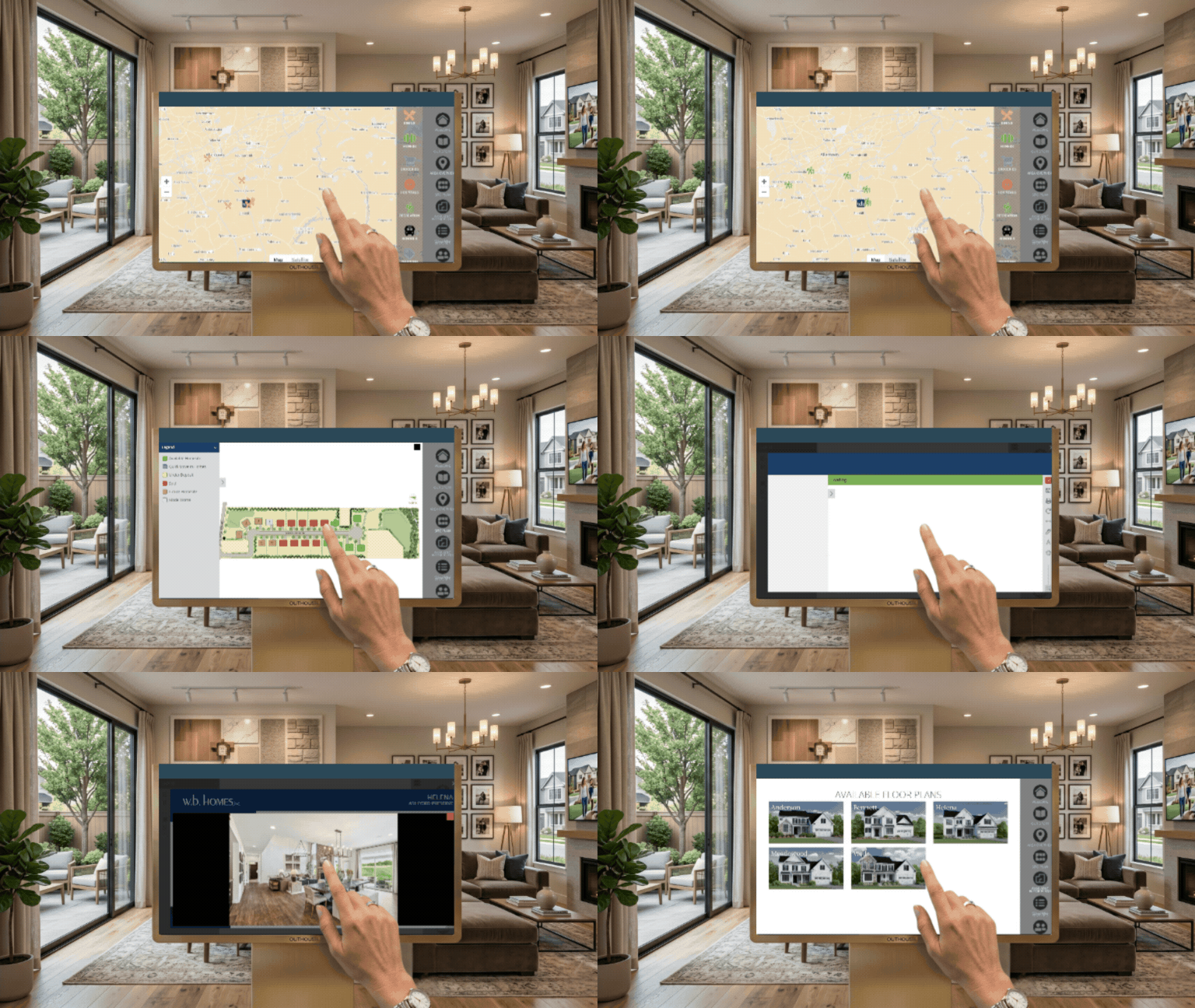
Van Metre Homes introduced wall-mounted kiosks to showcase community layouts and floor plans. The displays blend right into their model home aesthetic. They look more like high-end TVs than technology hubs. Behind the scenes, IT teams can manage content remotely, eliminating the need for in-person updates.

To gauge success, Van Metre conducted a case study. The result? Each kiosk draws 25–50 visitor interactions per week and generates an average of three qualified leads per day.

Outcome: Less paperwork. More leads. A smoother sales experience.

Prospective customer using portable kiosk to explore and Interactive Floor Plan (IFP)

Interactive Kiosks: From Browsers to Believers

Across the U.S. and Canada, Iinteractive kiosks help home builders level up their customer experience. With tools like:

  • Interactive markup: Lets buyers make notes on floor plans, plan furniture layouts, and dream big.
  • Lot-Fit tools: Match models to available lots and help buyers visualize the perfect fit.
  • Localized presentations: Like W.B. Home in Pennsylvania, many builders use kiosks to highlight nearby attractions that matter to modern buyers.

Outcome: Buyers go from passive browsers to active planners. Engagement deepens. Sales teams gain insight.

5 Reasons Kiosks Make Sales Centers Smarter

Benefits from Kiosk Deployments

BenefitWhy It Matters
Lead GenerationForms capture buyer info fast .
Remote Content ControlUpdates can happen across properties without lifting a finger onsite.
Buyer EmpowermentTools like lot-fit and floor plan personalization give buyers control and clarity.
Stronger Community StoryHighlight local attractions and perks that make a buyer feel at home.
Operational EfficiencyLess paper. Less chasing. More selling.

Best Practices for Building a Kiosk Experience That Sells

A freestanding kiosk in a cozy, well-lit model home corner.

Want to build kiosks buyers actually use? Here’s what the pros are doing:

  • Make them look good: Design kiosks that blend in beautifully with model home decor.
  • Go interactive: Give buyers tools to personalize, explore, and engage.
  • Keep it fresh: Use a CMS to manage content remotely and keep it relevant.
  • Capture leads smartly: Let buyers submit preferences and inquiries right from the screen.
  • Tell the neighborhood story: Use visuals and maps to sell the whole lifestyle, not just the house.

More Than a Screen: It’s Their First Step Home

At Outhouse.net, we don’t just build kiosks. We craft interactive experiences that help buyers fall in love with their future home. From touchscreen site maps to immersive renderings and beyond, we help builders put their best foot forward in the sales center, online, and everywhere in between.

So when buyers walk through your door, they don’t just see a model. They see their home.

Want to see how your sales center could evolve? Visit:

Interactive Kiosks
Branded Kiosk Display with Outhouse.net Logo

Outhouse.net Interactive Kiosks: Smart, Seamless, Stunning

At Outhouse.net, we believe the model home experience should be as beautiful and intuitive as the homes themselves. Our interactive kiosks are designed to do more than just display information: they invite buyers into a fully immersive, self-guided journey.

Here’s what sets Outhouse kiosks apart:

  • Tailored Content: Showcase site maps, floor plans, renderings, and even photo-realistic virtual tours.
  • Remote Updates: Change content instantly across multiple locations—no IT visit required.
  • Lead Capture: Integrated forms turn engagement into real sales conversations.
  • Beautifully Designed: From wall-mounted screens to sleek freestanding displays, they look like part of the model home.

Whether during a sales tour or after hours, our kiosks ensure buyers always have access to the inspiration and information they need.

Outcome: More engagement. More qualified leads. A seamless experience that sells.

Welcome to the Future: How VR Will Revolutionize Homebuilding Marketing by 2045

Stuart Platt · 07/14/2025 ·

Woman wearing Virtual Reality headset doing a VR Home Tour.
VR Home Tours via headset! The future of home buying.

Imagine this. It’s the year 2045. A prospective buyer slips on a lightweight headset and steps into their future home. They cook breakfast in the virtual kitchen, rearrange furniture with hand gestures, and host a digital housewarming party where avatars of friends, family and even future neighbors drop by to say hello. By the time the weekend is over, they know the floor plan, finishes, neighborhood vibe, and even the sunlight pattern in the backyard. They haven’t stepped foot on the property yet and they’re ready to buy.

Sound far-fetched? Not for long. This is the trajectory we’re on, and for marketing executives and managers in the homebuilding industry, the time to prepare is now.

Why Virtual Reality Is Reshaping Builder Marketing

Virtual Reality (VR) is no longer a buzzword. It is quickly becoming a practical, scalable, and strategic tool for production home builders looking to enhance the homebuyer experience, generate more qualified leads, and shorten the sales cycle.

From immersive floor plan tours to virtual design centers, VR gives marketing teams a new way to deliver what buyers want most: clarity, personalization, and confidence.

How Builders Are Using VR Today

Buyer using VR headset in sales office to take home tour.

Large National Builders

Companies like Lennar, Toll Brothers, and PulteGroup are leading the charge. These firms are integrating VR into their marketing ecosystems using custom-built virtual models, interactive selection tools, and CRM-integrated design platforms.

Buyers can explore entire collections of homes online. Some builders even provide VR headsets in sales offices, allowing buyers to walk through multiple layouts without leaving the room.

Smaller Production Builders

Regional builders are making smart moves with scaled-down solutions. Many are working with third-party platforms like Outhouse, LLC to create cost-effective, web-based virtual tours of their most popular plans.

Others use VR to showcase floor plans that don’t yet have physical models, or to streamline remote sales in markets where on-site staff is limited.

Pros and Cons from a Marketing Perspective

Pros

  • Reduces dependency on expensive model homes
  • Engages out-of-state and remote buyers early in the funnel
  • Increases buyer confidence and reduces drop-off during the sales process
  • Enables faster upgrade decisions and higher customization spend
  • Creates memorable experiences that differentiate your brand

Cons

  • Initial production costs for custom VR environments can be significant
  • Requires training for both sales and marketing teams
  • Ongoing updates are needed to reflect plan and product changes
  • Not every buyer is comfortable using VR, especially without guided assistance

What Buyers Really Think

Buyers smiling as they interact with a virtual control panel.

Buyers, especially Millennials and Gen Z, expect immersive digital experiences. Surveys show that most buyers prefer to preview homes online before visiting in person. VR lets them do this in a way that photos and floor plans simply cannot match.

These experiences build emotional engagement and make it easier for buyers to envision their future lifestyle. In some cases, buyers decide on upgrades, layouts, and even specific lots before their first visit to the sales office.

Cost Versus Value

Marketing executives are always weighing investment versus impact. While building a single physical model home can cost over $500,000, a high-quality VR model may cost between $5,000 and $40,000. When scaled across multiple communities or plans, the savings are substantial.

There are also indirect returns. VR tools can increase online engagement, lower marketing costs per sale, and accelerate buyer decision-making. When paired with analytics platforms, VR usage can also offer insight into buyer behavior and preferences that guide future campaigns.

How VR Fits into the Marketing Stack

Think of VR not as a standalone tool but as an extension of your digital marketing funnel.

  • Use VR tours on listing pages to increase dwell time
  • Integrate virtual design centers with your CRM to track buyer preferences
  • Provide virtual walkthroughs in email follow-ups and sales presentations
  • Embed VR in mobile sales apps for on-site agents and remote consultations

The best implementations also include analytics, allowing marketing teams to see exactly where buyers spend their time and which plans generate the most engagement.

What’s Next for VR in Homebuilding?

A 3d home coming out of a smart phone.
Expect to see an ever expanding personalized virtual experience!

Over the next 5 years, expect to see:

  • Personalized virtual experiences based on a buyer’s budget, lifestyle, and design taste
  • Interactive community maps and lot views within virtual environments
  • VR-enabled sales centers where buyers explore full portfolios through wall projections and headsets
  • AI-guided tours that recommend plans based on user behavior

A Fun Glimpse 20 Years Ahead

By 2045, home shopping will feel more like test driving a life than walking through a property. Prospects will:

  • Spend a weekend “living” in a home digitally before committing to build
  • Meet future neighbors in virtual community mixers
  • Experience seasonal changes, ambient sound, and natural light inside their future home
  • Host virtual design consultations with contractors and decorators in a 3D model of their homev

For marketing leaders, this means thinking beyond floor plans and finishes. Future campaigns may include interactive lifestyle previews, neighborhood social simulations, and branded VR events where buyers immerse themselves in your brand story.

Final Thoughts

For homebuilder marketing executives, the opportunity is clear. VR is not just a gimmick. It is a powerful tool for driving engagement, shortening the path to purchase, and delivering a competitive advantage in a crowded market.

Whether you’re running national campaigns or managing a regional portfolio, adopting VR now means building for the future. And that future is immersive, personalized, and closer than you think.

To step into the future and commence your VR journey, contact [email protected].

Email Kevin!

  • « Go to Previous Page
  • Page 1
  • Page 2
  • Page 3
  • Page 4
  • Interim pages omitted …
  • Page 9
  • Go to Next Page »

Ready to get started, want more info?

Contact Us
  • Facebook
  • Instagram
  • LinkedIn
  • YouTube

Outhouse

11048 N 23rd Ave #103
Phoenix, AZ 85029

602-371-4394

© 2026 All rights reserved